

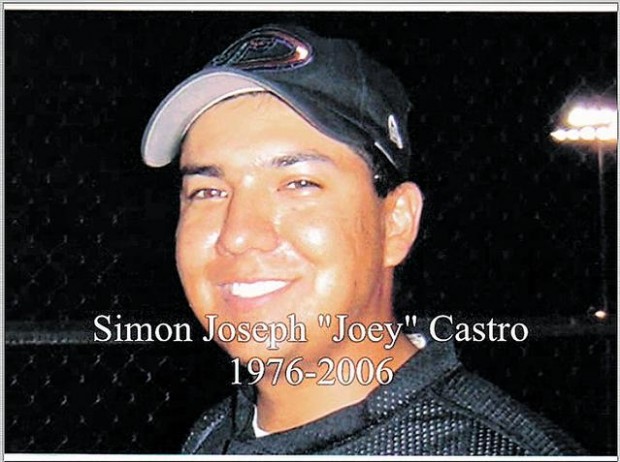
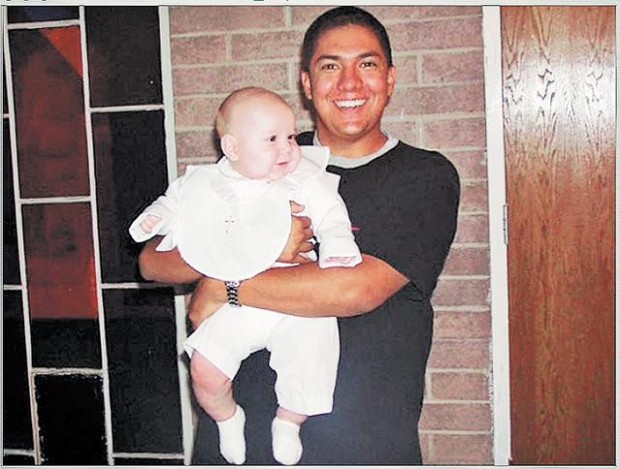
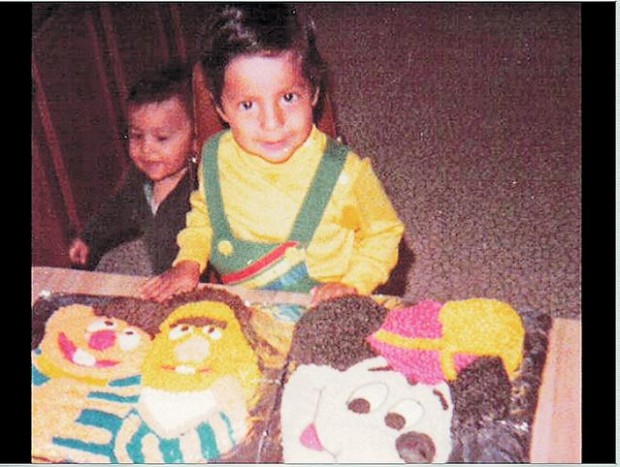
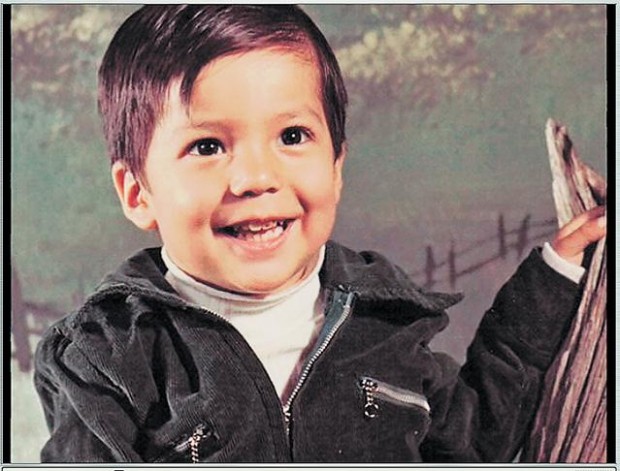
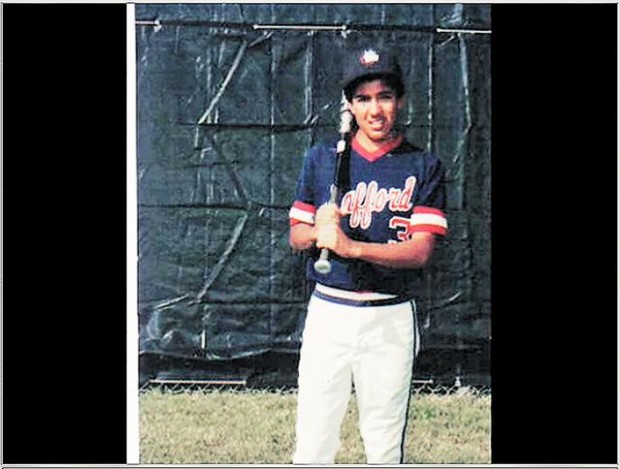
Ask Debbie Castro about her late son, Joey, and the words just flow.
His lifelong obsession with baseball, his high grades in high school, his love of family and his hopes for the future.
When the time came last month for Castro to share such memories about her son's life with a judge, she sought more than her own words to convey the story that would help sentence the man who killed Joey.
After all, Castro says, words alone fail to capture Joey's essence or the loss she felt when he died in a violent crash last year. So Castro gave Judge Howard Fell a DVD prepared by a nephew. In it a slide show set to music chronicles Joey's life from baby to 30-year-old man.
"I figured if I could do anything to help the judge see something other than a name on a piece of paper, I would," Castro said.
People are also reading…
More families are turning to multimedia presentations when it's their turn to be heard just before a judge delivers a sentence.
While some victims still prefer to read statements or speak extemporaneously while clutching portraits of their loved ones, more and more are giving judges video slide shows, some homemade, others professionally done.
Some victims hope to persuade judges to impose the maximum sentence possible; some want the defendant to feel their pain; and others simply see it as a way to honor their loved ones.
"The videos really turn it from the 'State of Arizona versus the defendant' to something personal," said Theresa Babich, a victim advocate with Mothers Against Drunk Driving. "Pain and suffering are huge aggravating factors when it comes to sentencings."
While disappointed her son's killer didn't get more time in prison, Castro said she watched James Hyfield receive 36 years and is satisfied he now realizes just how much he took from her.
"That was the most serious I had ever seen him," Castro said.
When people lose loved ones through violence, they often feel powerless, said Kent Burbank, director of the Pima County Attorney's Office's victim/witness program.
The lawyers and the judge spend months focusing on the facts of the case, various legal issues and upcoming court dates while victims are left to grapple with grief, Burbank said.
During sentencing hearings, though, the victims have a constitutional right to be heard, whether it's in writing, orally or through video presentations.
"It's a good means for families who have lost loved ones to manifest their loss in a really visible way," Burbank said.
Three days after Judge Fell sentenced Hyfield for killing Joey Castro and two others in a drunken-driving crash, Fell watched another life story unfold on DVD.
This time, it was Philip Biggers, 45, whose pictures flashed across the screen.
Biggers was struck head-on and killed by Amy Lynn Maxwell, who was driving under the influence of alcohol and prescription medications.
The DVD used during Maxwell's sentencing was originally prepared at the urging of attorneys who filed a civil lawsuit on his behalf, said Ed Biggers, Philip's father.
Family members and friends of Philip's were interviewed on camera about Philip, and their comments were spliced together with treasured photos and shots of the home Philip designed and built.
Biggers gave prosecutors the DVD for the sentencing, but it wasn't vengeance he was after.
He knows Maxwell, who was sentenced to three years in prison, continues to suffer emotionally from her actions that day.
"I just thought it would be an opportunity for people to see one last time who this was that disappeared and the impact it had on our lives," Biggers said. "It was a way to honor our son."
Defense attorneys Dan Cooper and Michael Piccarreta understand victims have the right to be heard at sentencings but worry some judges may be unduly influenced by the more emotional slide shows.
"Good judges aren't influenced by them, but some less sophisticated, more emotional judges could be swayed by them," Piccarreta said.
Prosecutors are obligated to share such presentations with defense attorneys in advance, giving them an opportunity to voice an objection if necessary, Piccarreta said.
A slide show devoted to someone's life is completely appropriate; an attack on a defendant is not, Piccarreta said.
"As a defense attorney, one of the things you can't lose sight of is the effect of a crime on a victim, but at the same time, a sentence cannot and should not take place based on who the victim was, and that's the problem with videos and memorial T-shirts," Cooper said.
Judges and prosecutors come under so much more pressure when a victim's family member is angry, aggressive and vocal than when they are not, Cooper said.
"It's really easy for prosecutors to acquiesce to the family who wants blood. The problem is, will those same prosecutors give as much weight to the victims who want leniency or don't believe in the death penalty?" Cooper said.
Sentencing hearings can be incredibly uncomfortable when you are sitting next to a client you know is remorseful during a poignant slide show of the victim, Cooper said.
It's worse when the victim is being unduly praised, he said.
"It's human nature to make saints out of the dead, but at that point it's usually not wise to bring it up. You can't respond to it; you've just got to swallow it," Cooper said.
Judges strive to keep their emotions out of their decision-making process, said Judge Michael Cruikshank, who presides over Pima County Superior Court's criminal division.
Letters, photo collages, verbal comments and slide shows carry equal weight with him, Cruikshank said.
"There are a lot of pictures that are more moving than the written word, but sometimes the written word is more powerful; it just depends on that person's eloquence," Cruikshank said. "I just strive to be unemotional and take it in a more clinical light."
Judge Richard Fields applauds the use of slide shows, as long as they aren't so long they interfere with other court proceedings.
"Sometimes I think it is important for the defendant to have a better understanding of what effects his criminal actions have had, and it's also important sometimes for the victims to be able to put these things to a final rest."


