

ALBANY – The State Legislature on Monday begins the first of two public hearings examining the thousands of Covid-related deaths that occurred this year in New York State-regulated nursing homes. The hearings – which wrap up with a second day of testimony on Aug. 10 – are being led by the Assembly and Senate health committees, but include the participation of four other standing committees.
The marathon hours of expected testimony will be livestreamed on the main websites of the state Assembly and Senate starting at 10 a.m. Monday.
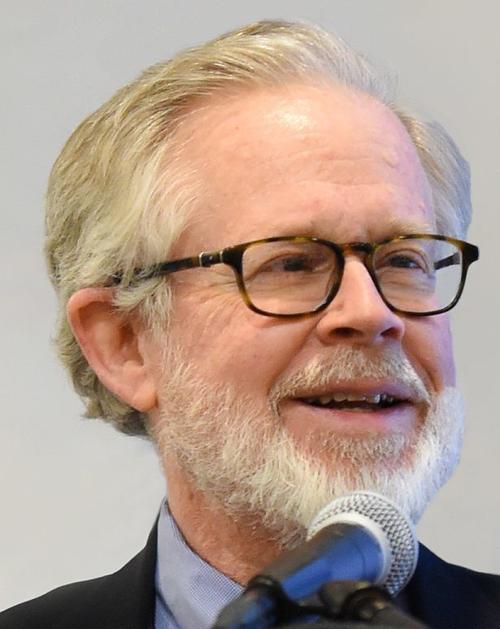
The Buffalo News last Thursday conducted a phone interview with Assemblyman Richard Gottfried, a Manhattan Democrat who chairs the Assembly Health Committee. The veteran lawmaker began urging public hearings on the nursing home and Covid issues back in the early spring. The following interview has been edited for clarity.
People are also reading…
Q: Assemblyman, what are the most pressing questions you want answered in the Covid-19 hearings?
A: We want to know what factors in the health care system made the situation worse than it needed to be and what lessons we need to learn for the future. With nursing homes, I think the epidemic was made a lot worse because of many, many years of inadequate staffing in nursing homes, inadequate staffing of the Health Department’s inspection teams, and a generally lax attitude in the Health Department towards enforcing quality and safety standards. On top of that, the state has been for years inadequately funding nursing home care.
Q: And if you add all that together, that’s what leads you to your conclusion now that the death rate was higher than it should have been in nursing homes?
A: I think every aspect of the epidemic was made worse by those factors. The disease spread more than it needed to more people, more people died than needed to. Providing care and visiting opportunities and the oversight of quality, resources for PPE for staff – all of these things suffered.
Q: Besides health care providers and unions representing health care workers, who else do you expect to testify and have you had any family members of any nursing home residents who died or were affected by Covid ask to testify?
A: I know we will have advocates for nursing home residents. Certainly, there are family members of nursing home residents who died among the state legislators who will be at the hearing. In particular, (Queens Democratic Assemblyman) Ron Kim, but there may be others.
Q: And you expect to be presenting questions directly to someone from the Cuomo administration?
A: Certainly, we will have questions for (State Health Commissioner) Dr. Howard Zucker and any other administration representatives who attend. Myself and, I’m sure many, many of the legislators, will have questions for them.
Q: There are different numbers kind of floating about as to how many Covid-19 deaths occurred in nursing homes. The data released by the Health Department, or the way it was presented, changed. [The state puts the number who died in nursing homes at more than 6,400 people.] Do you know how many nursing home residents in New York State died from Covid-19 this year, and would that include those residents who may have been sent by nursing homes to hospitals?
A: It’s shocking that we do not know that. I’m quite certain that the state has those numbers in great details. I think if Dr. Zucker wanted to know how many nursing home residents from each nursing home went to a hospital in the third week in April he could have those numbers on his desk by dinnertime. Whether he asked for numbers like that, I don’t know. He controls the computers that have that information.
Q: Was the governor’s March 25 order – requiring nursing homes to admit Covid-positive patients – that led to thousands of Covid-positive patients, by the state’s own admission, being transferred from hospitals to nursing homes, a mistake?
A: I think it would be overly broad to say that order was wrong. Somebody who’s ready to leave the hospital should go home. Hospital beds are always very expensive. At the height of the epidemic they were in very short supply. And a hospital is not a healthy place to be. The question is, when someone no longer requires hospital care, how infectious are they? Dr. Zucker’s point is that at that point a patient is at a very low point of being infectious. Part of it is a medical question. At what point is it safe to be around a formerly hospitalized Covid patient? And, if that patient is somewhat contagious, is it reasonable to expect the nursing home to keep that patient sufficiently isolated to protect staff and other residents? Dr. Zucker’s report says it was safe to send them home. I don’t know at this point if there are contrary, sound medical opinions.
Q: You mentioned safe staffing levels. The state was supposed to have a study completed, I believe, last December on that issue. Have you seen that report and have you gotten any reasons for the delay? And is the time ripe, after a decade or more of discussions, for some kind of state-imposed minimum staffing requirements on providers?
A: I’ve been a sponsor of the safe staffing bill since the late 1990s. This is long overdue. In the 2019 budget negotiations, we pressed for safe staffing legislation. The governor offered, instead, to have a workgroup do a study of it and have the (DOH) commissioner put out a report by December of 2019. That was not done. I certainly have not seen that report, I have no idea what's in it. I'd love to know. All I've heard about the status of the report is that the governor's office says they are reviewing it. They've been saying that for a month or so now. It would be great if the commissioner brings the report to the hearing on Monday and makes it public, but I'm not counting on that. But I think it is very troubling that that report now is almost eight months overdue.
Q: Particularly in what we’ve seen so far during Covid, is the for-profit nursing home model in New York State working?
A: I think there was a lot of data that shows that overall quality of care is lower in for-profit nursing homes than in not-for-profit nursing homes. Being not-for-profit doesn't guarantee virtue, but it does mean that legally your obligation is to the nonprofit mission of the nursing home and not to your shareholders. And with a not-for-profit nursing home you don't have a substantial chunk of the revenue being drawn off as profit to the owners. Legally, it has to stay in the nursing homes. I think it’s pretty clear that makes a difference. At least New York does not allow ownership of nursing homes or hospitals or community health centers by publicly traded corporations, which would be even worse.
Q: The hearings are going beyond nursing homes. In the area of assisted living facilities and home care, what do you think are the key questions that the committees are going to want to have answered?
A: Similar questions: staffing, quality enforcement and adequate funding. With home care, the inadequacy of state funding. All over the state we have shortages of home care workers and that is in large part because we do not adequately fund home care. With adult homes, you have the additional problem that they are by and large facilities that serve a low-income population. There are not a lot of people from middle-class families in most of our adult homes, which means there’s less resources, fewer family members on the outside who are advocating for the resident and the general public has much less sense of what’s going on in adult homes. A lot of the general public either has or once had or might have a family member in a nursing home. A very small percentage of the population has that kind of connection to adult homes. And so, they get a lot less governmental attention.
Q: Gov. Andrew Cuomo, a Democrat, has sought to portray the criticism over the nursing home/Covid crisis leveled at him or his administration as an attack from partisan Republicans. You’re a Democrat. The other five committee chairs who will be holding the hearings with you are Democrats. Do you believe this is a partisan, political issue?
A: No, I don’t. On any issue there will be people making comments that are politically motivated. You’d be naïve to think otherwise. And political motivations cross party lines. Sometimes, Democrats do that to Democrats and Republicans do that to Republicans. But, I think overwhelmingly people’s concerns here are driven by an honest concern about the human factors here – not by either party politics or liking or not liking the governor or anybody else.
Q: Lastly, nursing homes are obviously a critical part of the care system. Everyone’s worried in society about this pandemic, but after what we’ve seen, obviously, residents of nursing homes, their families and staff are very concerned about what’s already happened and what the future might bring. Do you think at the end of the day after the second hearing on Aug. 10 that it will be clear to New Yorkers, perhaps, what mistakes or missteps were made relating to Covid deaths at nursing homes, who made them and, importantly, what sort of policies or procedures might need to change to prevent a repeat during a possible second wave or even the next global pandemic?
A: From what I’ve seen, I think the mistakes that were made were made long before the Covid-19 virus existed. The inadequate staffing, inadequate funding, inadequate enforcement of regulations, all of that made a bad situation a lot worse than it had to be.
Q: The system was not ready?
A: Correct. I forget if it was Donald Rumsfeld or who said it, but the notion that, ‘You go to war with the army you have.’ We went into this epidemic with a woefully inadequate army.


