State wildlife officials are looking for new homes in Arizona for surrendered desert tortoises.
The Arizona Game and Fish Department said in a mid-May Facebook post that rows of captive desert tortoises had been surrendered to the agency and cannot be released into the wild because they may pose health risks to Arizona’s native tortoise populations.

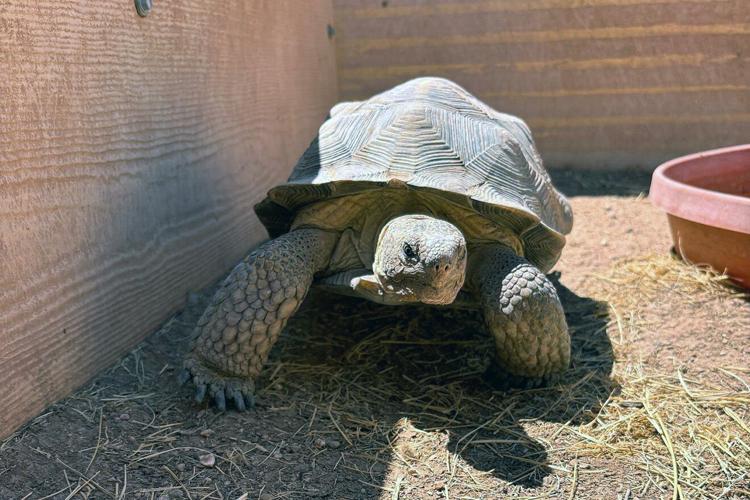
A desert tortoise stands in an enclosure at an Arizona Game and Fish Department facility.
The department adopts out hundreds of captive desert tortoises each year and accepts applications year-round, according to a dedicated AZGFD adoption page.
Here's what to know if you're interested in making a desert tortoise part of your family.
How to apply for a tortoise adoption
People can apply through the Arizona Game and Fish Department’s tortoise adoption program at azgfd.gov/tortoise.
People are also reading…
Tucson-area applicants can work with the Arizona-Sonora Desert Museum, a state-sanctioned adoption facility, according to the department.
Applicants can choose their preferred adoption location in the online application.
How many tortoises can you have?
Arizona Game and Fish Rule R12-4-407 limits possession of Sonoran desert tortoises to one per person, per household, and no more than four tortoises per household, according to the department.

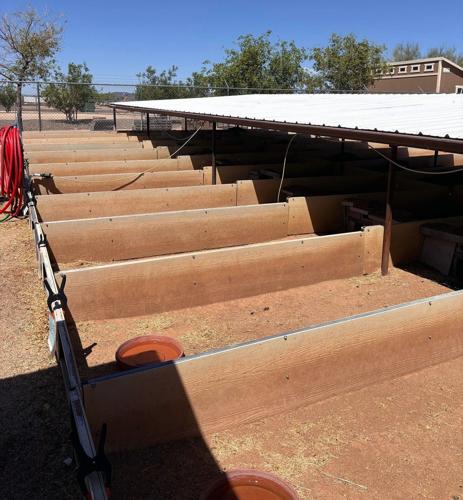
Desert tortoise enclosures sit under shade at an Arizona Game and Fish Department facility.
The rule also makes it illegal to breed desert tortoises.
Can you release a pet tortoise into the wild?
No. It is illegal in Arizona to release any tortoise into the wild, the department says.
Releasing a tortoise can spread disease and disrupt genetics in wild populations, according to AZGFD.
People also should not collect wild tortoises from the wild.
If a tortoise appears injured or is found in a populated area, the department says people should call the adoption program at 844-896-5730.
What if you can’t keep a tortoise?
People who can no longer care for a tortoise should call the Desert Tortoise Adoption Program at 844-896-5730, according to the department.
The program can help find the animal a new home.
Native Arizona tortoises must stay in the state, and if a caretaker moves out of Arizona or dies without a succession plan, the tortoise must be returned to an approved adoption facility, the department says.