The following is the opinion and analysis of the writers:

Adriana Zuniga-Teran

Arren Kimbel-Sannit
The Colorado River is facing a new reality. We suggest you think basin-wide and act locally.
Decades of overuse are coming to roost at the same time that climate change-driven “mega-drought” is settling over the Colorado River basin. The systems of governance that have tied the seven US states and the two northern Mexican states of the basin together in uneasy harmony in recent years are facing enormous strain.
Last month, the City of Tucson reduced its order for water from the Central Arizona Project (CAP) by almost half to account for the condition of the river and federal cuts to the state's supply. This is the first time the city has dialed back its order for Colorado River water since the CAP started deliveries in the 1990s.
People are also reading…
For most people living in Tucson, these cuts won’t stop water from coming out of your tap. But changes to how water is priced and distributed will be coming. In other words, no matter where you live or how much water you consume, you should prepare for a drier future.
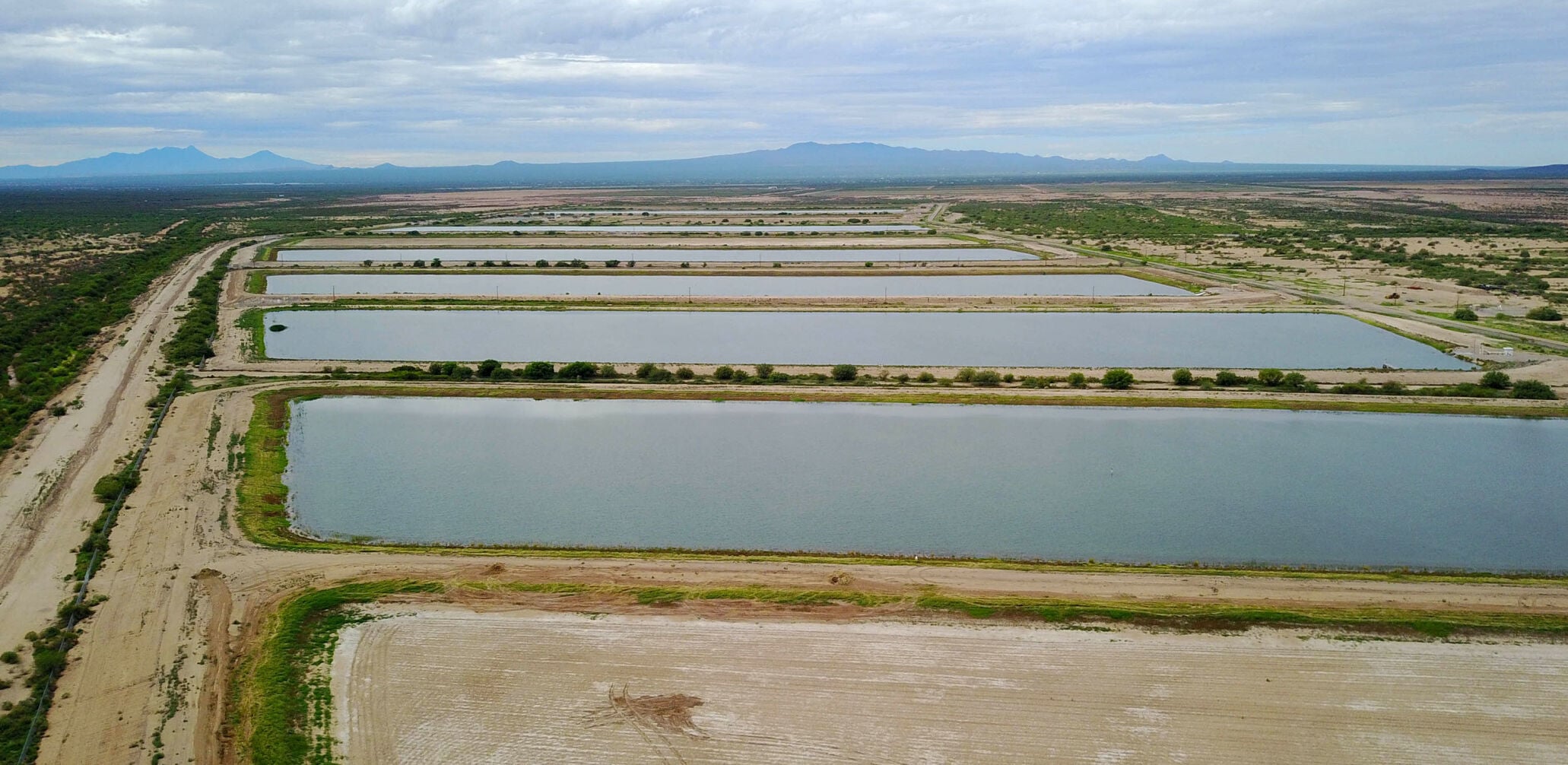
Tucson Water has stored Colorado River water in these basins in the Avra Valley north of the city since the early 2000s. Now, Tucson and Phoenix are starting the Secure Water Arizona Program. Under it, cities with more water than they need today could provide it over a short- or long-term period to cities that need it.
One way to do that, as suggested by my colleagues at the Udall Center for Studies in Public Policy at the University of Arizona, is to remember that even as water crosses state and international borders, you can act in your own home.
Most of the world looks askance at Arizonans fretting about a water crisis while there are still green lawns and private pools. And while indoor residential water use is generally quite efficient, the same doesn’t go for outdoor use.
One relatively simple action you can take is retiring your lawn, which demands constant irrigation. The roughly 20% of you that have pools can save up to 30,000 gallons a year by letting that great blue whale in your yard go. As the Star’s Tony Davis reported last year, that’s about half the average Tucson home’s annual consumption.
With a little more ambition, you can even create your own miniature water system. A 1,000 square-foot roof in Tucson that receives 10 inches of rain a year — just under the city’s annual average — can help you collect over 6,000 gallons of water in a properly installed cistern. (The city will offer you a rebate for that, as well.) This rainwater can replace the tap water you use for watering plants, suppressing dust and other outdoor purposes. Combining rainwater harvesting with rain gardens (or mini basins) in your yard can reduce your outdoor water use even more. With the right treatment and filtration, you can drink and wash with this water, as well.

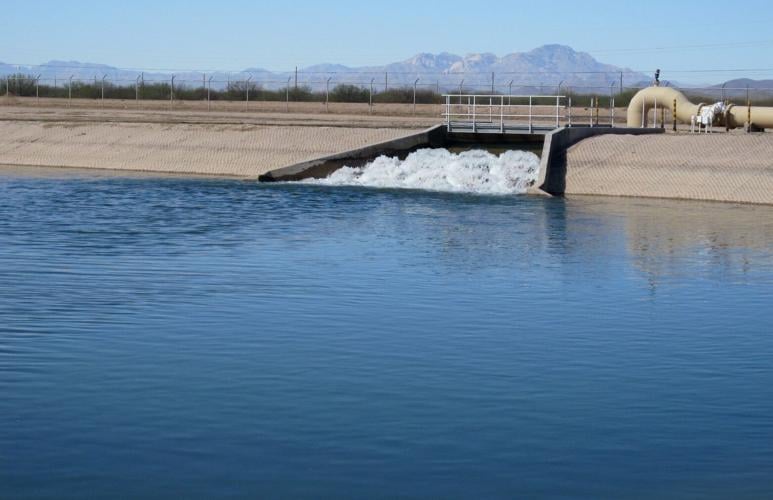
One of the nine Central Arizona Project water recharge basins located at Tucson Water's 226-acre Southern Avra Valley Recovery Project site. The photo shows the Colorado River water being delivered into the basin in 2013 to be recharged into the aquifer.
We understand that these changes can be costly and a little unfair. That’s why we also recommend demanding action and information from your representatives as a drought resilience strategy. As Tucson’s water faces issues ranging from federal cuts to water contamination, it’s more important than ever for officials to be clear-eyed about the new reality, and for you to demand that clarity.
Tucson is taking a step in that direction, with the mayor last month requesting a series of town hall meetings to inform the public about the region’s hydrologic position.
The city must follow through with this pledge. State and federal officials — who, in different ways, are just as responsible for your water supply — should follow suit. But it’s also incumbent upon you to be a responsible water user. Even if all you’re worried about is your water bill, you can have conversations in your household and neighborhood about how water is used, where it comes from, and where it goes when it hits the drain.
You can take action in your yard, your roof, your pool and in city hall. Not only can you be a more sustainable water user, but you can also be better prepared for an uncertain future of continued drought and Colorado River reductions.
Follow these steps to easily submit a letter to the editor or guest opinion to the Arizona Daily Star.
Adriana Zuniga-Teran is an Associate Professor at the School of Geography, Development, and Environment with a joint appointment at the Udall Center for Studies in Public Policy. Arren Kimbel-Sannit is a PhD student in geography at the University of Arizona.