

The back door to St. Benedictine’s Monastery in Tucson swings open, and 40 Guatemalan women, children and men shuffle inside. They have just been dropped off by ICE (U.S. Immigration and Customs Enforcement), and it’s apparent by their demeanor that they are exhausted and wary about what comes next. Most have been through hell and back to reach this point and have nominal control over their fate.
Imagine the average American taking on a similar journey where circumstances leave you no choice but to embark for refuge 1,700 miles away with no more than what you can carry. You are separating yourself from the entirety of your life so that you or your family won’t get brutalized by gangs or your children conscripted into cycles of violence.
You get to pay an exorbitant amount of money for transport somewhere near your destination, or begin to work your way there by any means possible. This may take weeks and is an obstacle course with nothing but hard edges. To cross an international border, such as we have in the U.S., you might wait weeks for your asylum number to be called. You can cross over illegally on your own, or lay out even more money to hire a coyote to guide you across where you will give yourself up to border agents.
People are also reading…
Once inside the Monastery, the travelers are greeted with “Bienvenidos” from volunteers and, without exception, respond with “holas” and broad smiles. Many are holding up their pants and walking awkwardly because their shoelaces and belts have been taken away. As ignominious as this seems, they are not vain and won’t be deterred.
Their first stop is the Church Sanctuary, a particularly peaceful place. They find a pew and are given water, oranges and soup. Many begin to breathe deeper and exude obvious indications of release and relief. Children tentatively let go of their parents and begin to explore.
Kindly bilingual volunteers welcome them, attend to medical needs and orient them to the Monastery. All go through an intake process to make sure their papers are in order and that they have solid transportation plans from the Monastery to ‘sponsors’ elsewhere in the country who will help them through their next set of tribulations.
They are escorted to their assigned rooms with newly cleaned blankets, towels and sheets. All are encouraged to rest, shower, find the cafeteria for a meal, and go to the donation room for free clothing, personal hygiene items and backpacks. Next, they check-in with transportation volunteers who magically line them up with a solid travel itinerary and tickets for the next stride in their travels.
America’s newest faces head for all points in the U.S. where they will connect with their sponsors and begin the asylum process. This may take forever as they once again become victims of political processes beyond their control. At present, only 40 percent will be granted asylum while their fellow travelers are sent back to Mexico or Central America for more of the same.
Imagine working your way through hunger, fatigue, threats of violence, bewildering impediments and all that defines a journey that is a leap of faith only to be turned back and returned to whatever beast that you tried to outrun.
But those who endure, like the immigrants from Cambodia, Somalia, Iraq and a dozen other countries over the last 50 years, become the evolving face of the U.S. populace. With them, our cultural stew thickens as our diversity becomes more intricate. It’s worth it.
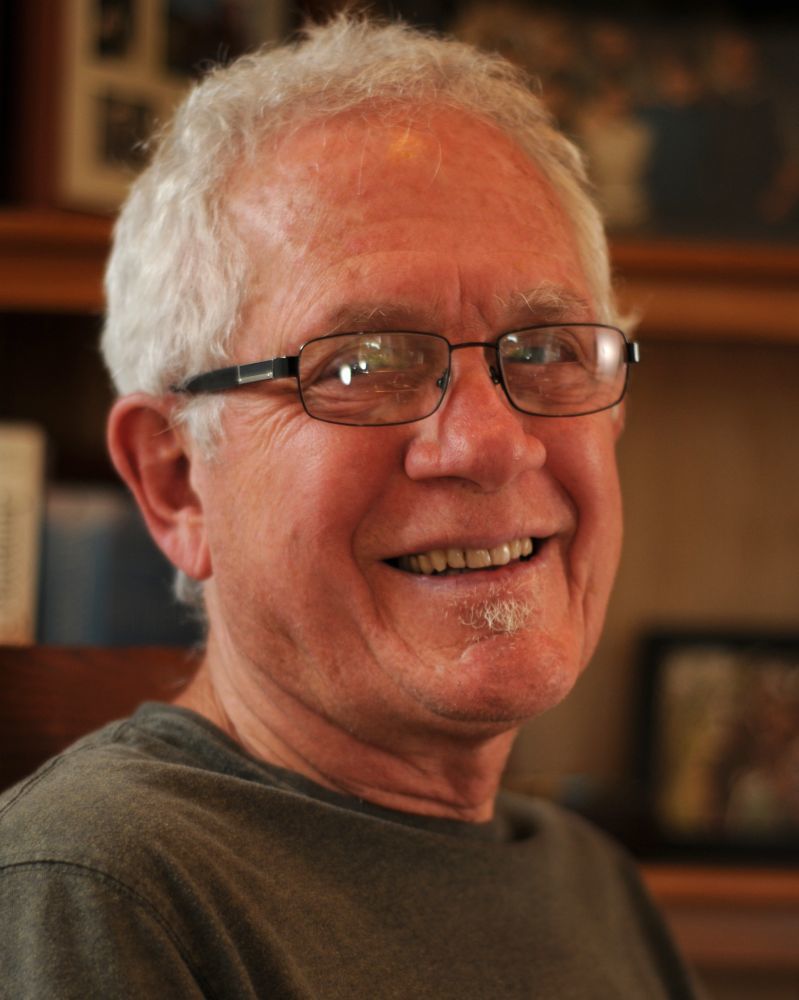
Russ Hanbey
Russ Hanbey is a Tucson resident who has volunteered with Casa Alitas at the monastery over the last several months.