

Veteran’s Day was Saturday, a time to express our gratitude to the women and men who have proudly served in the military to preserve our freedoms. For many, the holiday can mean a parade down Main Street or honoring veterans in other ways, but for millions of veterans it can be another day struggling with a serious health issue tied to their service.
The U.S Census Bureau reported there were more than 18 million U.S. veterans in 2018. Each year, approximately 200,000 leave active duty. The irony of veteran health is that upon entering service, most are at the peak of health and fitness; however, after leaving the service some veterans can face a myriad of health issues such as post-traumatic stress disorder (PTSD), other mental health challenges, the effects of traumatic brain injury (TBI), musculoskeletal injuries, and illnesses as a result of environmental exposure.
Veteran health issues can be complex and are driven by many factors including age, race, gender, if the veteran saw combat or not, the geographic location where the veteran served, and the conflict itself. For example, according to the U.S. Census, 2019 American Community Survey, those who served in the past 20 years, post 9/11, have a 43% chance of having a disability connected to their time in the military. Veteran statistics on PTSD vary based on the era in which the veteran may have served. Eleven to 20% of Operations Iraqi Freedom and Enduring Freedom have PTSD in a given year, Gulf War veterans, 12%, and it’s estimated as high as 30% of Vietnam veterans have had PTSD in their lifetime.
People are also reading…
Each veteran’s health profile is unique and working as a team with the individual, health care providers can devise a strategy to meet their patient’s health needs. To help veterans live their best lives and improve their health in addition to needed medical and psychological care, it is important to take an approach of healthy living practices and prevention. The U.S. Veterans Administration offers the following evidence-based recommendations:
Get high quality sleep each night and seeking help for sleep difficulties
Keeping your recommended screenings and immunizations up to date
Being active in your health care and working with your healthcare team to meet your specific needs
Managing stress
Cutting out tobacco use
Limit alcohol use
Taking measures to protect yourself and family from harm and injury, including self-harm or domestic abuse
Maintaining a healthy weight and eating right
Staying physically active
Veterans Day is a day to honor those who answered the call, and it can also be used as a reminder to our veterans that help is out there whether their wounds are physical or in the form of mental health challenges, or both. If you are a veteran or take care of someone who served, it’s important to take an active role in your health with your health care provider.
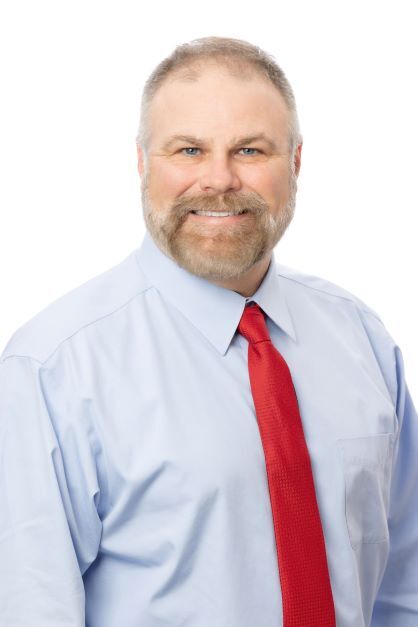
Dr. Leo Odle is an internal medicine specialist at Optum — Arizona.


 For sale: Tucson's Park Place mall
