In my work as education reporter, I talk to teachers day in and day out. Before the pandemic, I knew that teachers’ work wasn’t confined to the classroom, and schools did more than educate kids. But once the pandemic hit, schools became a literal lifeline and teachers essential workers, making sure students and their families had food, computers, health care, electricity in their homes and numerous other necessities. This story laid bare the lack of infrastructure to support vulnerable families and the fact that teachers and schools are perhaps the only ones ready and willing to hold children’s lives together.
— Danyelle Khmara

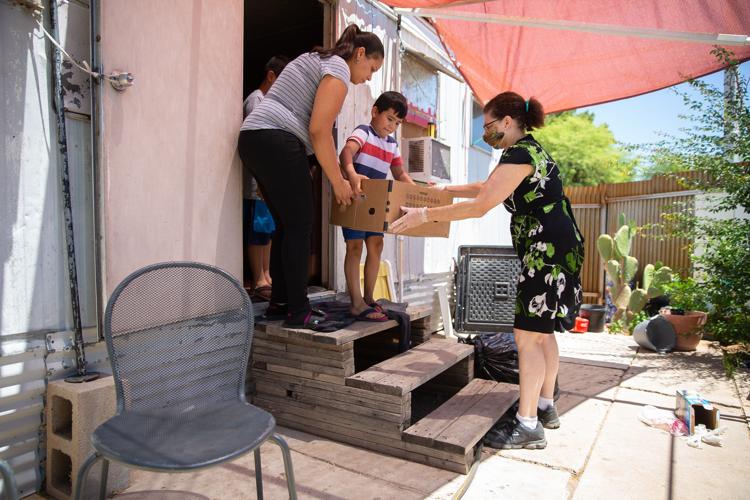
Wright Elementary teacher Sheree García delivers a computer to student Francisco Cruz Silva, 8. “You know how teachers spend their own money,” Garcia says. “We can’t help it.”
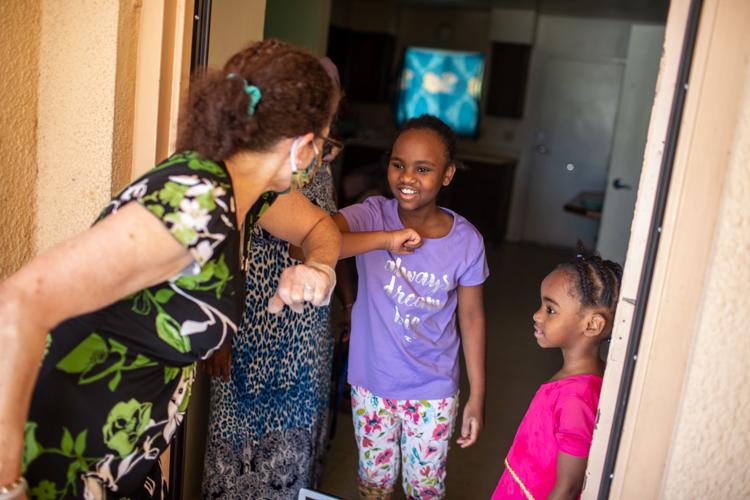
Sheree García grabs her cloth mask and drives across town. When she gets to her students’ homes, she lowers the back of her truck so they can grab a home-built computer and a goodie bag.
People are also reading…
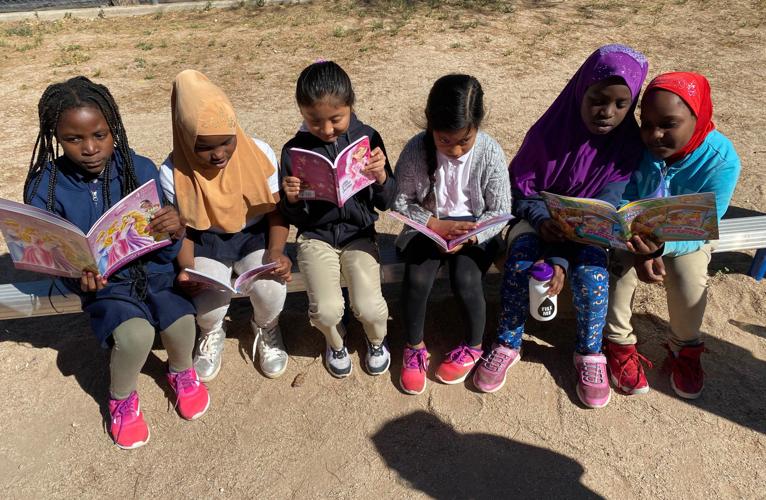
The Wright Elementary School teacher packed up coloring books, crayons, mini workbooks from the dollar store and Smarties candy.
While Tucson’s largest school district, Tucson Unified, has worked to supply portable devices for all of its families in need, Chromebooks for García’s students didn’t arrive until the sixth week of school closures. And García just couldn’t wait that long.
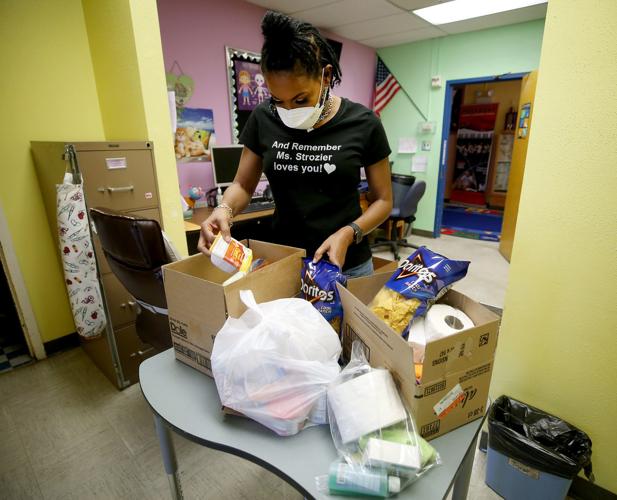
Like teachers across Tucson, García takes it upon herself to use personal connections and her own money to ensure her students have necessities, from computers for remote learning to food in their cupboards.
Amid the coronavirus shutdowns, Tucson educators have created a grassroots support system to supply families in need with essentials.
Contact reporter Danyelle Khmara at dkhmara@tucson.com or 573-4223. On Twitter: @DanyelleKhmara

Danyelle Khmara
Reporter