

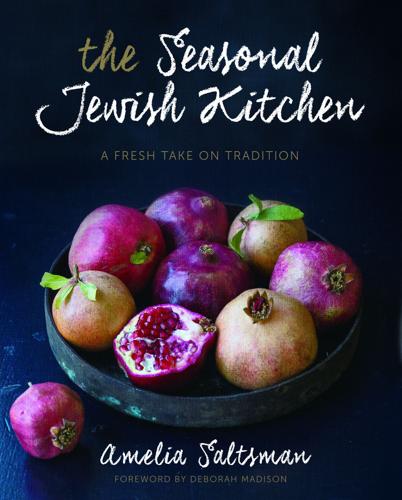
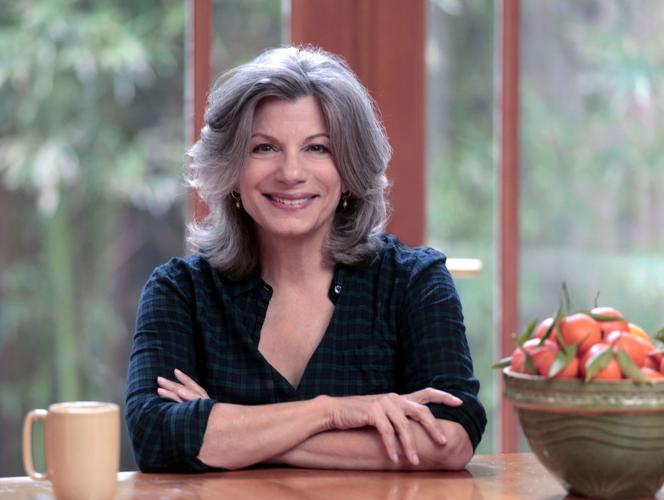
Though our modern world is obsessed with new foods and avant-garde ways of preparing them, family-farm champion and award-winning cookbook author Amelia Saltsman suggests we hit the “pause” button.
“Many of today’s innovative practices have their roots in the Bible,” said the cooking teacher who will appear at the Tucson Festival of Books with her latest book, “The Seasonal Jewish Kitchen.”
“Not to sound too gushy, but how cool is that? It’s like … taking a moment to contemplate something bigger than ourselves and gain a deeper sense of respect for the land and our food. It turns out the ancient Hebrews were among the world’s early sustainable farmers.”
The daughter of a Romanian mother and an Iraqi father who met in the Israeli army and immigrated to Los Angeles, Saltsman has a deep appreciation for food and its origins. They are themes spotlighted in several of her books, including the oft-recognized “The Santa Monica Farmers’ Market Cookbook: Seasonal Foods, Simple Recipes and Stories from the Market and Farm,” and serve as the motivation for her fresh focus on Jewish food.
People are also reading…
“I realized that past food traditions can inspire today’s cooking for meaningful, yet utterly modern, meals,” Saltsman said.
“Jewish food is really a patchwork of regional cuisines that also includes the bold flavors of North Africa, the Middle East, the Mediterranean and more. As I researched and wrote ‘The Seasonal Jewish Kitchen,’ I kept saying, ‘This is Jewish food? Who knew?’ ”
Where do you find inspiration?
That’s easy: At the farmers market. I’m always inspired by the beautiful seasonal ingredients I find there and by the hardworking farmers who care enough to grow such good and healthy food. I really am in awe of nature’s bounty — it’s endlessly varied and constantly changing. I’m never bored.
What should everyone know about farmers markets?
That farmers markets are meant to help small family farms survive by allowing farmers to sell directly to the consumer. The best farmers markets are the ones that are all about the growers, not about prepared foods or handicrafts. The benefit to shoppers is that these small farms can grow for flavor first, waiting until foods are at their peak to harvest them. And when you start with delicious ingredients, it’s much easier and quicker to get a tasty meal on the table.
What are some tips for the farmers market novice?
Don’t be shy, give it a try. Use all your senses to learn about what’s in season and when it’s at its best — look, smell, feel, taste when you can, and listen to what the farmers have to say about what they grow. It may take a little time, but it’s the best way to learn this new way of procuring food. Shop in “layers” to extend the shelf life of what you buy. Buy a mix of highly perishable and long-lasting foods (very ripe berries vs. carrots, for example).
Do you remember the meal that made you passionate about food?
Although I didn’t realize it at the time, the seminal moment was my family’s first trip back to Israel when I was 10 years old. I experienced my grandmothers’ cooking for the first time; I still have taste memories of the incredibly diverse flavors of foods in Israel — this tiny country is an incredible culinary crossroads, and I was introduced to shopping for food at open-air markets. It was an eye- and palate-opening experience that, looking back, has informed all my cooking.
You have been described as a “connector of dots.” Can you explain?
We tend to compartmentalize the different aspects of our lives. We often keep the seasonal, healthier way we eat today separate from traditional holiday meals and observance as though they aren’t related. In fact, they’re deeply intertwined; the Jewish calendar follows the natural cycles of the year. Passover is one of three agriculturally-linked festivals in Judaism and occurs during Nisan, the first month of the Jewish calendar, a new year for the growing season. We mostly focus on the holiday’s themes of freedom from oppression and slavery, but the Seder’s foods are also universal symbols of renewal and rebirth and, not coincidentally, what we find in gardens and markets in spring. I love noting connections like this between past and present.
What do you cook when you are bone-tired?
A roast chicken and two sides is my go-to meal when I have little time. It only takes 10 minutes to rub a chicken with salt and shove it into a hot oven along with scrubbed whole sweet potatoes or halved butternut squashes. If I don’t have a chicken or 10 minutes, a quick assemblage of toast and toppings makes a perfect meal. Here are some favorites of mine, depending on what’s in my house at the moment: smashed avocados, smashed leftover cooked beans, sardines, cheeses, eggs, good olive oil, herbs, radishes, greens, tomatoes, pantry seasonings such as sumac, Aleppo pepper and smoked salt.


