AUSTIN, TEXAS — Eric Clapton's Crossroads Guitar Festival puts more great guitarists on one bill than any event I know of, and the proceeds support the Crossroads Centre, the addiction treatment center he founded in Antigua. By the end of the first night at Austin's Moody Center, though, the size of the lineup had become the least interesting thing about it. What stayed with me was how closely these musicians listened to one another.

Dr. Barton Goldsmith
Sept. 26's opening night moved through blues, country, jazz, acoustic and roots music without ever feeling like a string of unrelated sets. Everyone onstage spoke the same language, and nearly everyone found a different way to speak it.
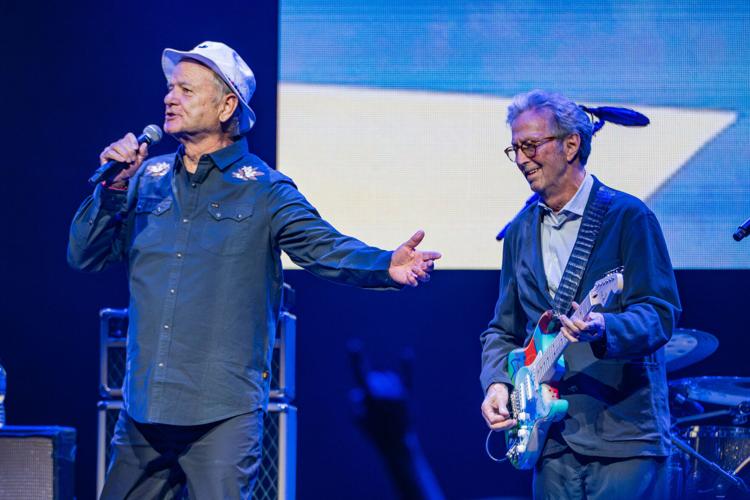
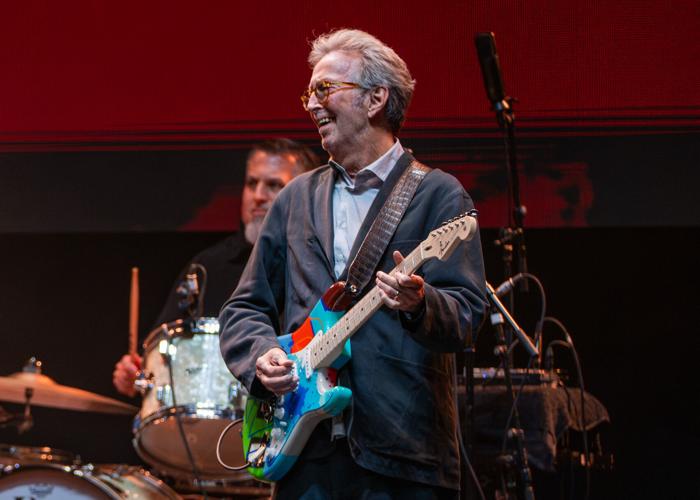
Bill Murray set the tone, greeting the crowd and then singing his own version of "Crossroads" with Clapton beside him on guitar and backing vocals. Clapton could have stayed in the wings until his headline spot. Instead he walked out early to help someone else open the show, which told me a lot about the weekend ahead.
People are also reading…
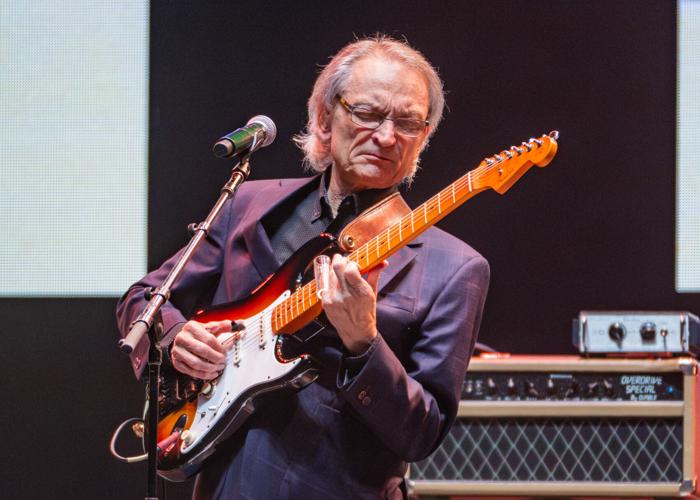
Sonny Landreth brought the first big change in sound. His slide technique is so unusual that I eventually gave up trying to figure out what his hands were doing and simply listened. Ben Haggard followed, carrying a family history that's impossible to separate from his music, yet his set never felt nostalgic. That turned out to be one of the night's quiet strengths. History was present all evening, but nobody treated it like a museum piece.
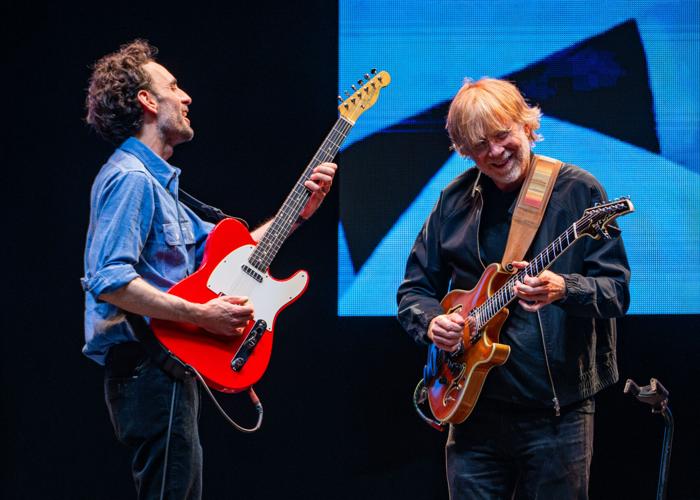
Brazilian guitarists Daniel Santiago and Pedro Martins brought a harmonically rich acoustic vocabulary, and Julian Lage showed again that virtuosity doesn't need to announce itself. His playing is complex without sounding labored, and he takes chances without ever losing the listener.
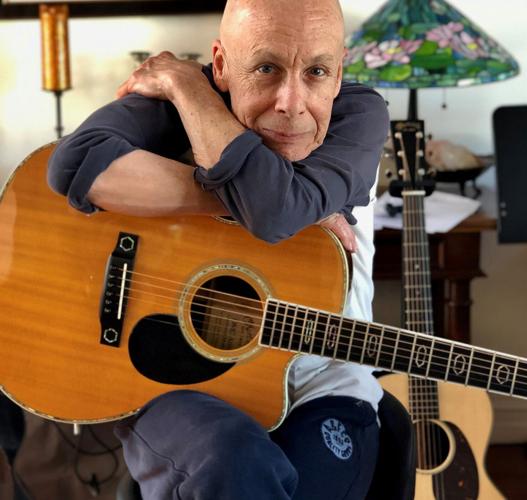
Joe Bonamassa supplied the most striking contrast of the night. He can fill an arena with electric guitar, and over the weekend he did plenty of that, but the moment I remember best was his acoustic solo. The amplifiers went quiet, the band stepped back, and it was just Bonamassa alone with a wooden guitar. At a festival stocked with some of the most powerful electric players alive, the simplicity startled me. With nothing to hide behind, every note had to stand on its own, and they did. It reminded me that a great player can be just as convincing at a whisper.
The blues pulled the evening back to its center.
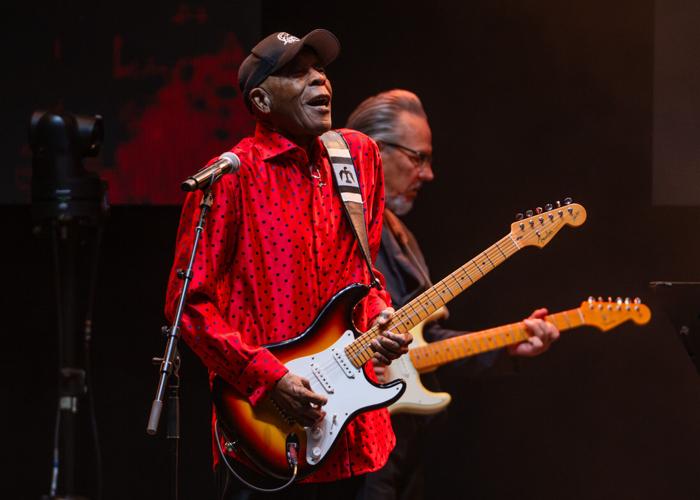
Jimmie Vaughan, Buddy Guy and Clapton played together on "Damn Right, I've Got the Blues," and later, during "Sweet Home Chicago," the whole arena started singing. Thousands of voices carried the refrain while the three of them settled into that familiar groove, and for a few minutes the song belonged to the room as much as to the stage. Buddy Guy is one of the last direct links to the generation that reinvented electric blues guitar. Vaughan plays with an unmistakable Texas accent, and Clapton has spent his life carrying the tradition to new places. Hearing an arena sing along with the three of them turned an old standard into the festival's anthem.
After that, the pairings got less predictable and more interesting.
Marcus King and Sierra Hull played together for the first time, including a version of "Mad World." King brought weight and force, while Hull answered with a lighter, quicker attack, and hearing those two approaches play off each other is exactly what Crossroads does well. Doyle Bramhall II and Charlie Sexton, who played together in the Austin band Arc Angels, reunited for Neil Young's "Cinnamon Girl." They've known each other long enough to leave space for one another, and it showed.
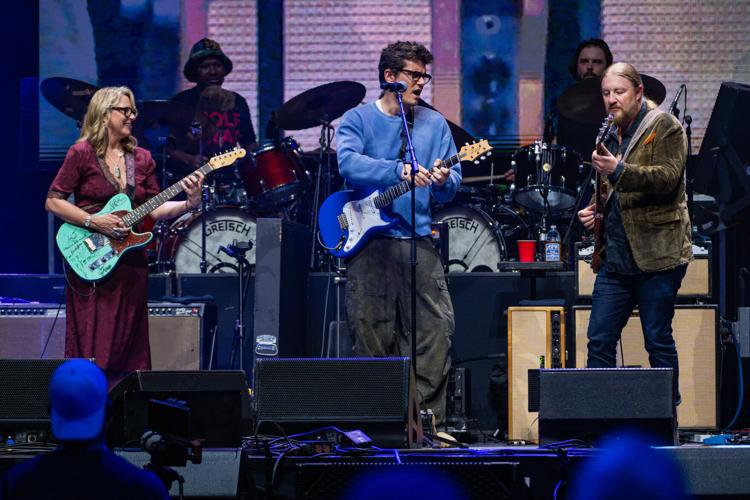
The Tedeschi Trucks Band took over from there. I've written about Derek Trucks and Susan Tedeschi before, and I understand why so many musicians want to share a stage with them. TTB can welcome guests without losing its identity. Trucks is one of the most recognizable guitarists alive, and he gets there without any theatrics; his slide can sound almost like a human voice. Tedeschi plays with a tougher, bluesier edge that's closely tied to the way she sings.
Then the guests started arriving.
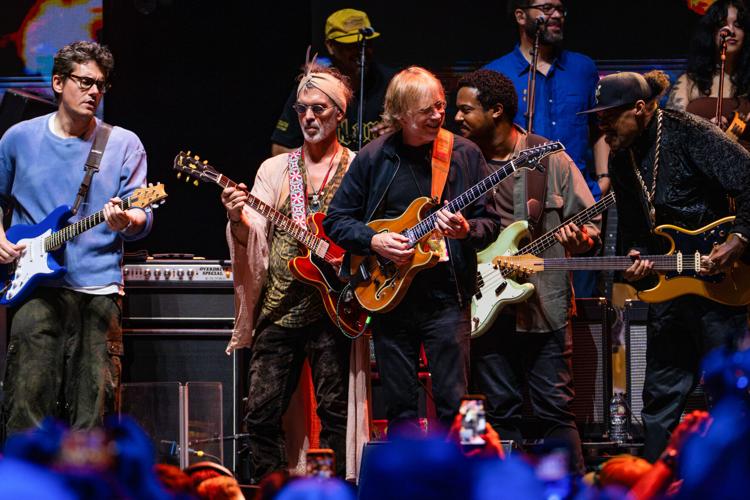
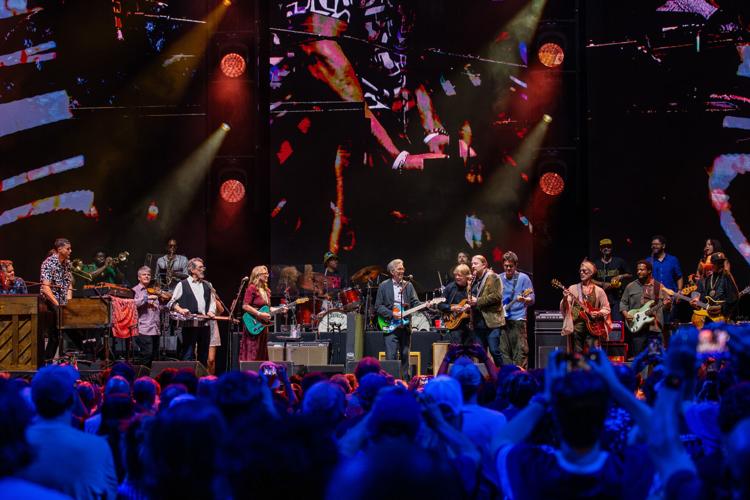
Trey Anastasio came out, then John Mayer, then Bramhall, and eventually Clapton himself. That many players could easily have produced a traffic jam, and it never happened. The best musical collaborations work like good conversations, where one person makes a point, another responds, and somebody knows when to lay out. As a therapist, I spend a lot of my working life helping people learn to listen before they answer, and here were some of the most accomplished musicians in the world doing it in front of thousands of people.
"Layla" arrived as a searing electric version with Clapton, Bramhall, Trucks and Tedeschi, a nice contrast to the acoustic reading Clapton would give it the following night. Four distinct personalities shared one of the most familiar songs in rock history, and it still had room to breathe. By the time most of the night's lineup returned for "Got to Get Better in a Little While," the stage looked impossibly crowded, yet the music held together.
That's what I'll remember most about the first night of Crossroads. There were faster guitarists and louder ones, and there were moments when the amount of talent onstage bordered on ridiculous, but the evening rarely turned into a contest. Nobody up there seemed to feel any need to prove himself. Clapton, Trucks, Mayer and Anastasio all appeared more interested in what the people around them were playing than in grabbing the spotlight.
Over the course of one long night, the guitar went from a giant electric jam to an old blues song sung by an entire arena to a single man with an acoustic guitar. Through all of it, the best players in the world spent as much time listening as they did playing, and you could hear the difference in every song.