
Tucson Electric Power is seeking a nearly 10% rate increase from the Arizona Corporation Commission.
TEP’s final proposal to the commission would increase an average customer’s monthly bill by about $13.50.
TEP’s original request back in May 2025 was for 14%. The company then reduced their ask to 11.6% by early this summer. 11.2% was their final position before the case went before the judge, which would have increased customers’ monthly bills by about $15. Instead of a percent increase, administrative law judge Julia Matter recommended a lower return on equity, or the amount of money TEP is allowed to earn for its shareholders.
Combined with her recommendation to reduce the total amount TEP can recover through rates, the overall impact on bills is an increase of about 9.4%, said TEP spokesman JD Wallace. TEP filed an amendment seeking a slightly higher 9.8% instead.
People are also reading…
Friday’s filing deadline marks one of the last steps before the case comes to the Arizona Corporation Commission for a final decision on Nov. 17.

TEP originally requested a 14% rate increase when the case was first filed in May 2025.
An average household that uses 805 kilo-watt hours per month will see their bill increase by $12.93 per month under Matter’s recommendation, bringing the average monthly bill to $150.52. In the summer, the average kilowatt-hours increase to 1,045, making the average summer monthly bill to $190.76 for an average household.
Many high-profile jurisdictions and businesses have intervened against the rate hike, including the city of Tucson, Pima County, the Department of Defense, Walmart and Kroger. TEP maintains the rate increase is necessary to make up for expensive investments in the grid and abating the impact of inflation.
The TEP docket was filled with a flurry of last-minute responses from interveners on Oct. 30. The City of Tucson called the judge’s recommendation “problematic,” particularly her recommendation to approve the Annual Rate Adjustment Mechanism, or ARAM.
The ARAM, or formula rate, has also been a flashpoint in the case. A formula rate allows utilities to adjust rates up or down annually, based on a formula approved by the Arizona Corporation Commission, according to TEP.
The legality of the mechanism is also being challenged by the Residential Utility Consumer Office, a state agency that represents utility ratepayers, and Attorney General Kris Mayes. Mayes argues the mechanism guarantees yearly rate increases with too little oversight.
TEP says it doesn’t guarantee rates will go up every year. The utility says slower increases make costs easier on consumers.
The final decision in annual adjustments would still rest with the commission, and still allow for public comment, Wallace said.
“Each year we have this opportunity to ask for a change that would allow things to be more gradual,” he said.
The grassroots group Public Power Tucson Coalition frequently petitions the Tucson City Council to reject TEP and begin the process of starting a publicly owned utility. The group said the potential rate hikes were unreasonable.
“Too many TEP customers already can’t afford the utility’s unreasonable rates. When electricity is needed to survive the hot summer months, a rate hike can equal a death sentence,” the Public Power for Tucson Coalition said in a statement.
The company pointed to its low-income programs and the impact of inflation on providing service.
“We understand that rising prices carry a significant impact on our customers, and we respect and listen to the input received during the rate case process. Our request has remained below the cost of inflation during the time for which we seek to recover the cost of improvements we have made to reliably serve our customers. We continue to offer programs and assistance to customers who seek to manage their bill and urge those who need help to contact us,” TEP said in a statement.
The rate increase is scheduled to appear before the Arizona Corporation Commission at its Nov. 17 meeting, where commissioners could approve or reject the judge’s recommendation. If approved, the rate increases would go into effect Dec. 1.
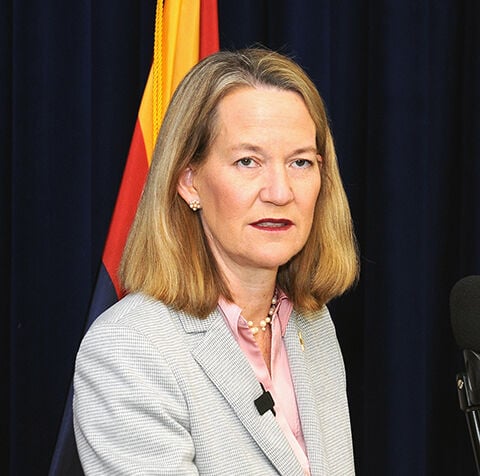
Mayes
Hannah Cree covers local government for the Star. Reach her at hcree@tucson.com.

Hannah Cree
Government Reporter