The ongoing fiesta known as Hispanic Heritage Month is an annual reminder of the stories, traditions and many contributions Hispanic and Latino communities have brought to American life.
Nowhere can those things be seen more vividly than in contemporary literature. The Pima County Public Library is celebrating with Mes de la Cultura, a month-long series of readings and activities in branches all over town.
The Tucson Festival of Books has its own, unofficial read-along under way. Festival volunteers offered a list of their favorites to celebrate Hispanic Heritage Month:
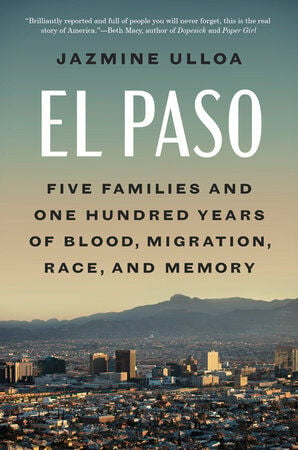
“El Paso” by New York Times reporter Jazmine Ulloa is among the titles featured on the “Mes de la Cultura” list of reading recommendations from the Pima County Public Library. In it, Ulloa explores the human history of El Paso, “the Ellis Island of the American Southwest.” — Marissa Alcorta
People are also reading…
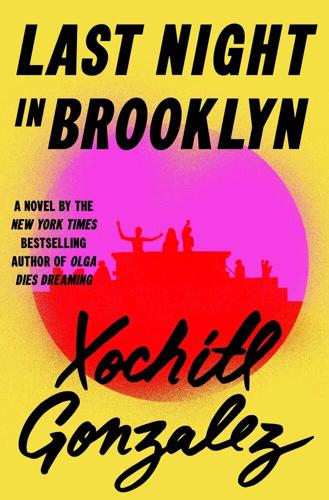
“Last Night in Brooklyn” by Xochitl Gonzalez, published in April, is a coming-of-age story featuring a young woman whose life becomes ensnared in her glamorous neighbor’s secret past. — Anne Gardner

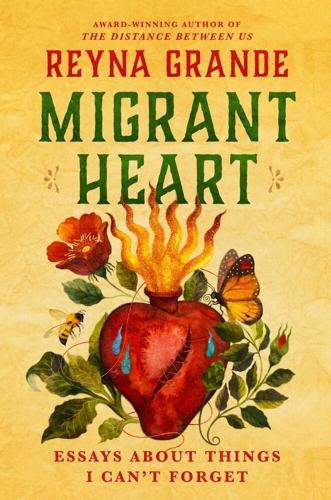
“Migrant Heart” by Reyna Grande is a collection of personal essays that explore how living between two countries, two languages and two identities has shaped the person she has become. — Isabella Hightower

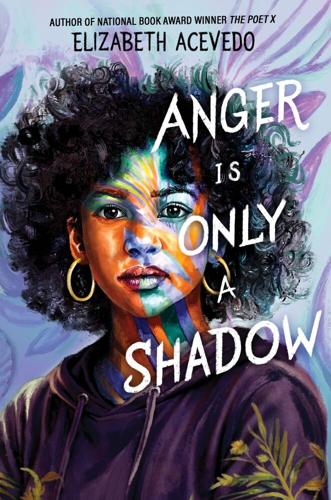
“Anger is Only a Shadow” by National Book Award winner Elizabeth Acevedo introduces us to a rebellious young woman who trusts and needs a brother who suddenly is dealing with issues of his own. — Kathy Short

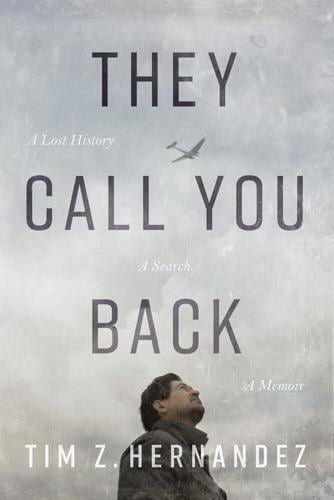
“They Call You Back” by Tim Z. Hernandez is a memoir that recounts his search for the families of the 48 braceros who died in a California plane crash in 1948. He also turns the lens to himself, exploring why his own ancestral experience fueled his interest in those same Mexican workers. — Pamela Treadwell-Rubin

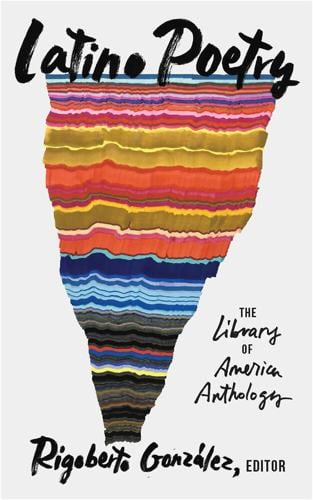
“Latino Poetry,” edited by Rigoberto González, is a bold and wide-ranging collection that includes work by local favorites Ray Gonzalez, Alberto Ríos, Tim Z. Hernandez and Luis Alberto Urrea. — Meg Files

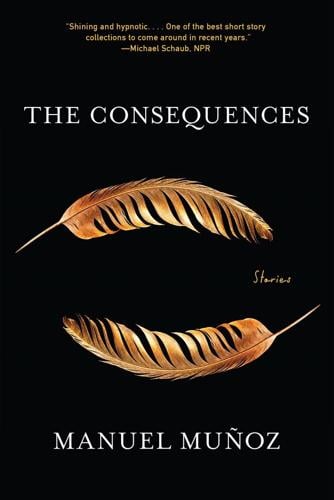
“The Consequences” by Tucsonan Manuel Muñoz is a collection of fictional stories about farmworkers in Texas and the San Joaquin Valley in California. Since Muñoz grew up in a farm-working family himself, it feels as if he knows each of his characters. — John Birdsall

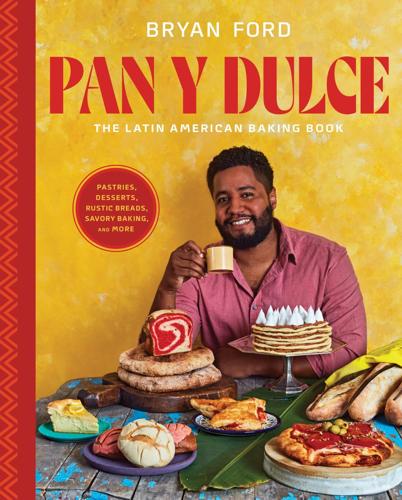
“Pan y Dulce” by baker Bryan Ford is a cookbook loaded with recipes for Latin pastries and baked goods. Golfeados? Check. Pastelitos? Check-check. — Karen Prechtel-Altman

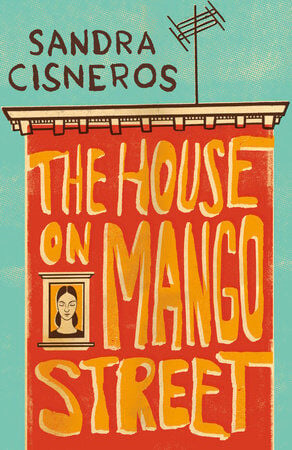
“The House on Mango Street” by Sandra Cisneros is a coming-of-age story written initially for young adults, but it has become a touchstone of Hispanic American literature, enabling millions of young people to see themselves in books. First published in 1985, it features Esperanza Cortero, a young Latina growing up in Chicago. “In English, my name means hope,” she says. “In Spanish, it means waiting.” — Susan Williams
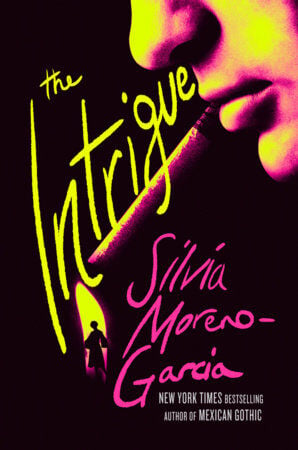
“The Intrigue” by Silvia Moreno-Garcia features an ambitious young man in Veracruz in the 1940s. His scheme to marry young and get rich quick takes an unexpected turn when he underestimates the intended victim. — Emma Baker
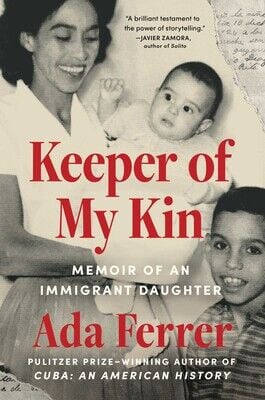
“Keeper of my Kin” by Ada Ferrer is an insightful remembrance of her own journey as seen through the lens of a professional historian. In 1963, she and her mother immigrated from Cuba, leaving her older brother behind. — Lynn Wiese Sneyd
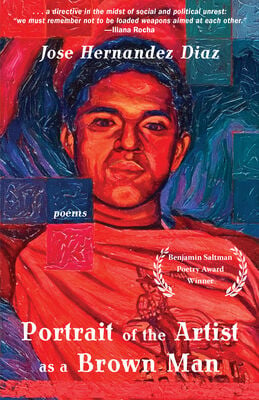
“Portrait of the Artist as a Brown Man” by poet Jose Hernandez Diaz is a collection that explores everyday images and symbols of the Hispanic community and then looks deeper into the role Latinos play in modern America. — Estella Gonzalez
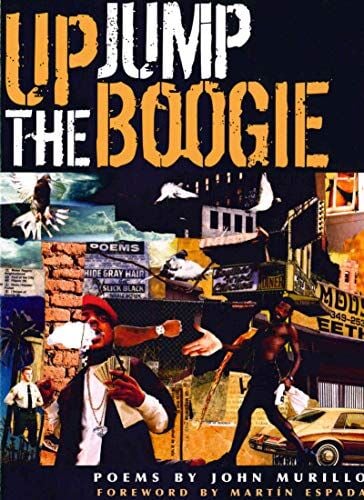
“Up Jump the Boogie” by John Murrillo is a slim 2020 volume of electric, earthy verse about urban street life. Murrillo is a Black and Hispanic poet whose most recent appearance at the University of Arizona Poetry Center was in 2024. — Darrell Durham
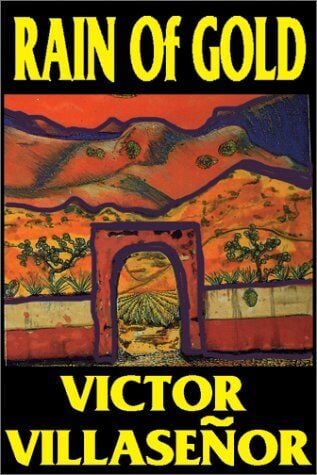
“Rain of Gold” by Victor Villaseñor is a 1991 novel that has resonated with young Latinos ever since. In it, Villaseñor offers a fictionalized look at his own family, complete with poverty, struggle and ultimate success. Like “The House on Mango Street,” it was one of the early books that enabled young Hispanics to see themselves in popular fiction. — Alina Rowe
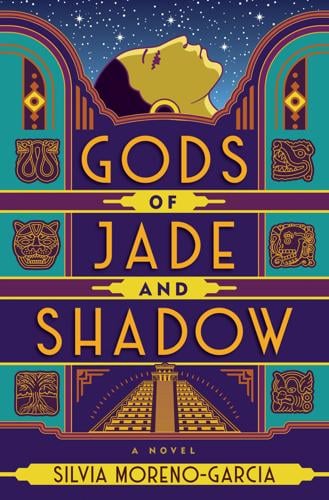
“Gods of Jade and Shadow” by Silvia Moreno-Garcia is a historical fantasy rooted in Mayan mythology and Mexican history. Young Casiopea is resigned to life as a housekeeper until she finds a curious wooden box in her grandfather’s room. — Betsy Labiner

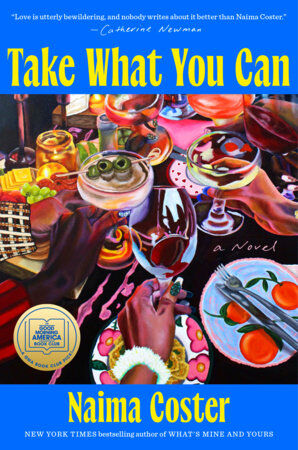
“Take What You Can” by Naima Coster is the story of two women who became best friends when they were the only two Black students on a study abroad tour in college. Ten years later, they are single moms who decide to raise their two young daughters together. — Christine Bollow
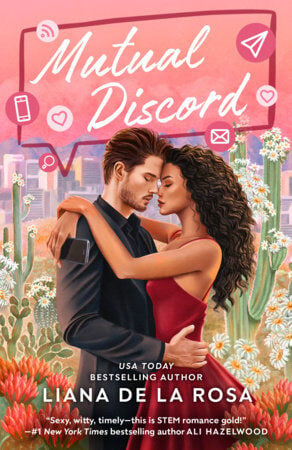
“Mutual Discord” by former Tucsonan Liana De La Rosa is a romance novel featuring an anonymous influencer who is producing a popular video series on social media. Determined to keep her identity secret, she strikes up a virtual romance with a man known only as “A.” Then she learns “A” is Andrew, the boyfriend of a friend. — Jessica Pryde
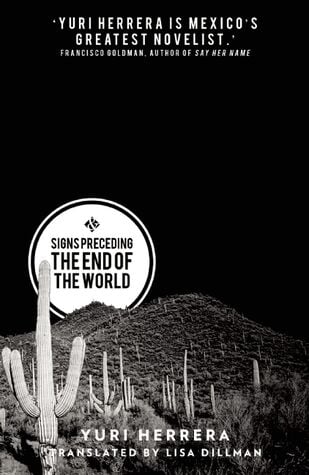
“Signs Preceding the End of the World” by Yuri Herrera features a young woman named Makina who is smuggled into the U.S. carrying two secret messages for her brother. One is from their mother, the other from the Mexican underworld. — Abra McAndrew
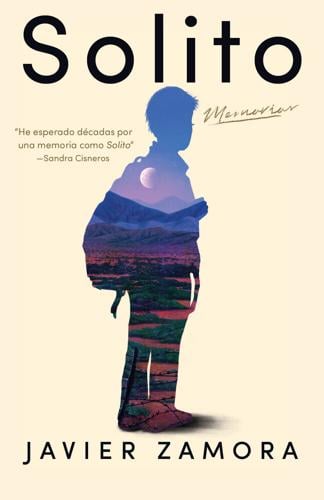
“Solito” is an award-winning memoir from Javier Zamora, recounting his 3,000-mile immigrant journey from El Salvador to the U.S. at the age of 9. Traveling alone, he somehow made it thanks to the kindness and love from the fellow migrants who began to feel like family. — Tricia Clapp

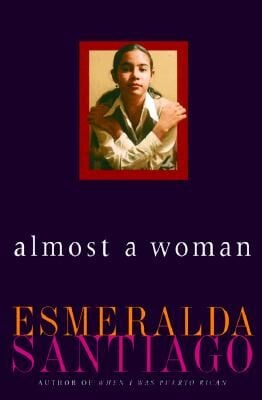
“Almost a Woman” by Esmeralda Santiago is a heartwarming tale of a girl who has come to Brooklyn from Puerto Rico at the age of 13. “In the 21 years I lived with my mother,” it begins, “we moved at least 20 times.“ — Gay Vernon