Creating a hobby space is the best way to make room for creativity in everyday life. Whether you're into painting, woodworking, writing or crafting, having a dedicated area designed around your interests can make it easier — and more enjoyable — to dive into your projects. The key is being intentional about how the space is planned and used.
Brittny Smith of Homesmith Design and Bridges Conner of Get Organized with Bridges are here to share practical guidance on turning any corner of your home into a functional hobby zone.

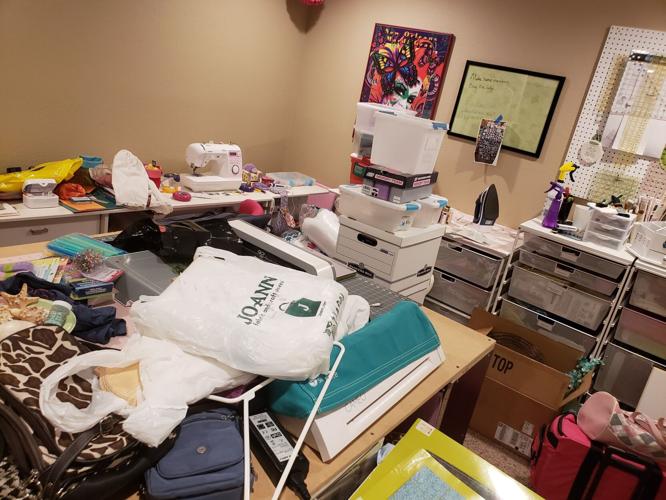
The "before" look — before a craft room was reorganized.
Start with the space you have
Before you start shopping for furniture or tools, take an honest look at the space available in your home. A hobby area doesn't have to mean a full renovation or use of an entire room. It could be a converted closet, a section of the garage, or a corner of a spare bedroom.
People are also reading…
"The size, location, and conditions of that space become the foundation of every design decision that follows," Smith said.
Once you've identified the space, think about how you'll actually use it day to day. It's easy to picture an idealized version of your hobby, but a successful setup is built around real habits. Consider whether you'll be sitting or standing, whether you'll need to move large materials, and which surfaces and storage you'll rely on. Planning your workflow helps ensure the space supports your hobby rather than slowing you down.
Design around real-life function
A hobby space should be built for how you work, not just how you want it to look. That starts with understanding the technical needs of your activity.
Lighting is a major factor. Creative pursuits like painting or drawing benefit from strong natural or color-accurate lighting, while photo or video editing may require more controlled illumination. The amount of physical space you need also varies widely. Woodworking or ceramics demand room for equipment and in-progress projects, while writing or digital editing can thrive in a compact footprint.
"If there are multiple hobbies, everything should stay accessible within each of the categories," Conner said. "Inventory will dictate the supplies that they need to be able to get those areas organized. I recommend one main table that is large enough to accommodate all hobbies."
You'll also want to think about power and ventilation. Some hobbies require multiple outlets, specialized equipment, or airflow to manage dust and fumes. Addressing these needs early prevents headaches later and helps your space function smoothly.
Long-term usability matters just as much as initial setup. Durable surfaces, smart storage, and comfortable seating all contribute to a space you'll want to use regularly. Temperature control and acoustics can also make a big difference, especially if you plan to spend long stretches working there.
"A hobby space should remove friction from the process, not add to it," Smith said.
Choosing the right size
One of the most common questions homeowners ask is how big a hobby space should be. The answer isn't about maximizing square footage — it's about efficiency.
According to Smith, "The right size is the smallest space that can support the hobby comfortably and safely without feeling cramped or chaotic." Some activities, such as large-scale crafting or fitness training, naturally require more space. Others can flourish in surprisingly small areas if the layout is efficient and intentional.
A useful benchmark is whether you can start working without a lengthy setup each time. If you constantly have to clear surfaces or unpack supplies just to begin, the space may be undersized or poorly organized.
Ideally, your hobby area allows you to work, store materials, and move around freely so creativity feels accessible rather than burdensome.
Picking the best location
Where you place your hobby space can have a big impact on how often you use it. The ideal location depends heavily on the nature of the activity.
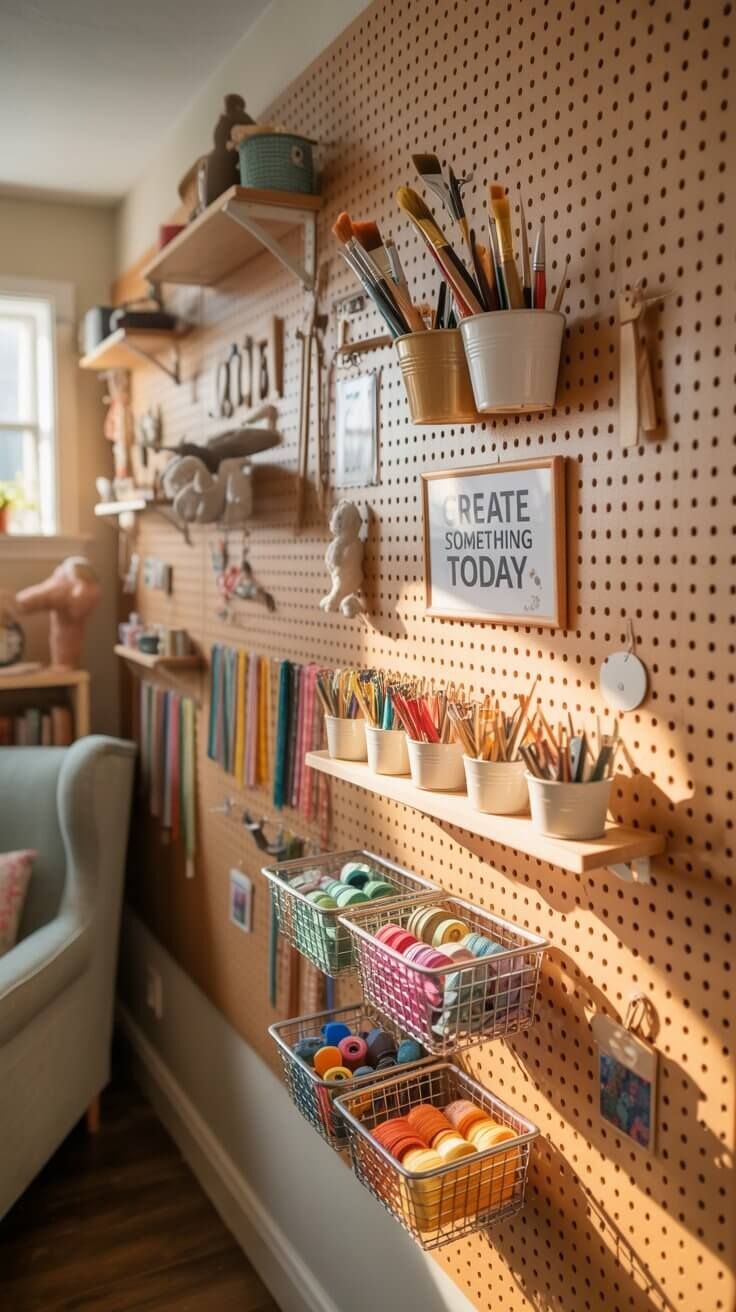
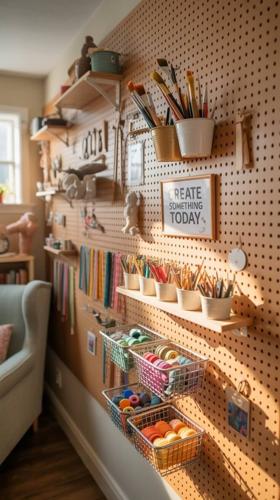
One effective space saver is to organize tools on the wall.
Noisy or messy hobbies are often best suited to garages, workshops, or detached structures where sound and debris won't disrupt the rest of the household. Quieter pursuits, such as writing or painting, typically benefit from private, controlled environments, such as a spare room or home office.
Smith notes that convenience is key. "The 'best' location is the one that supports how you actually work and makes it easy to use the space regularly," she said. A hobby area tucked too far out of reach may end up neglected, no matter how well it's designed.
Smart organization
If there's one feature that defines a successful hobby space, it's organization. A cluttered environment can quickly drain motivation, while a well-ordered setup encourages creativity and focus.
Effective organization starts with storage tailored to your specific tools and materials. Shelving, drawers, and cabinets should match the size and frequency of use of your supplies. Frequently used items deserve easy access, while less common tools can be stored out of the way.
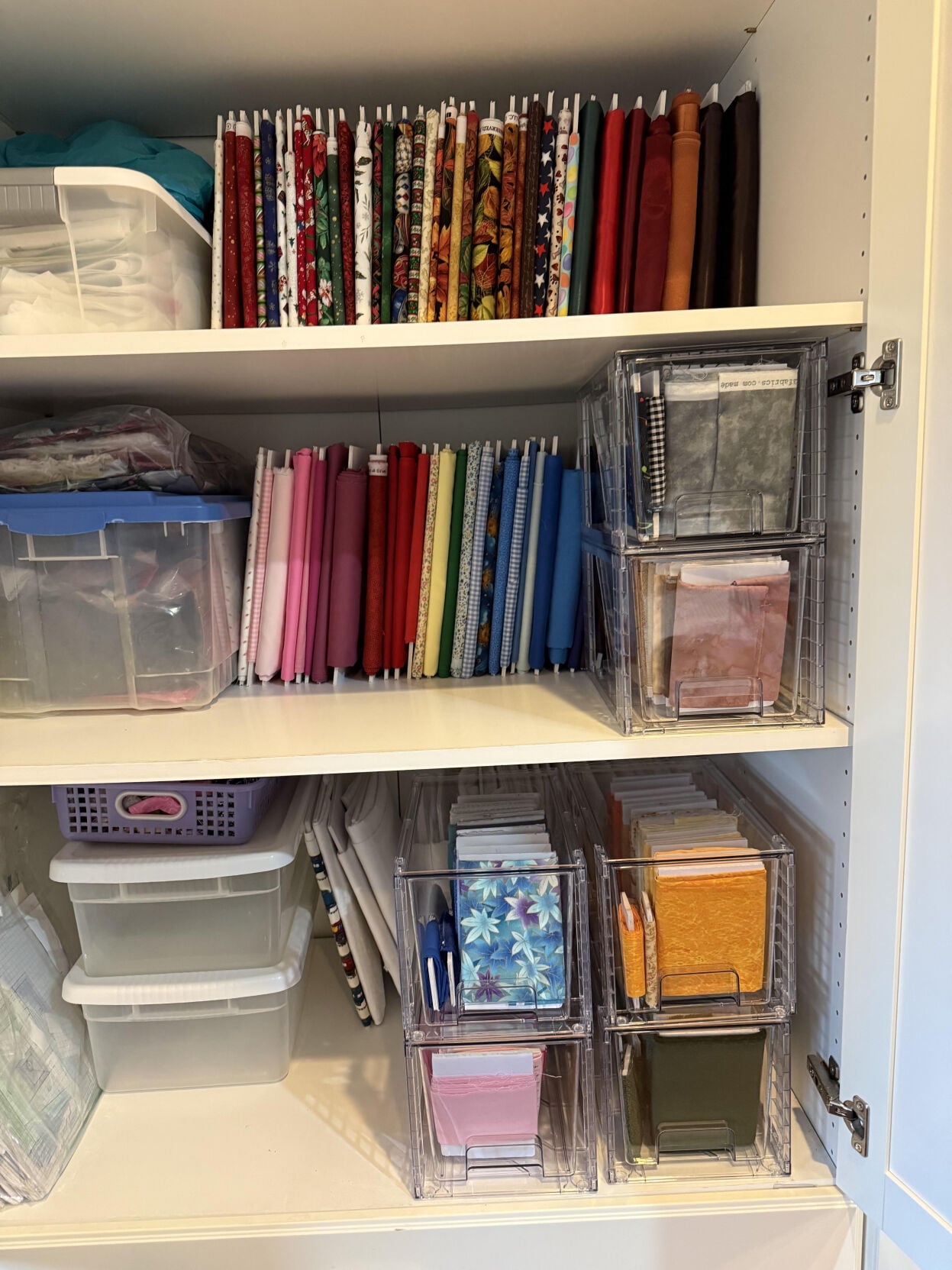
A tidy craft space gives a friendly invite to get busy.
Clear, appropriately sized work surfaces are equally important. You'll also want a designated area for in-progress projects, so you don't have to pack everything away between sessions.
"I suggest that clients keep a tool kit on the table (like a turntable) with all of the basics they need for their hobbies." Bridges said. "This will eliminate having to get up and gather items before beginning their project."
That continuity makes it easier to return to your work and maintain momentum.
Plan time for upkeep
One Rosie team member, Jeanice Cady, is an avid seamstress. She has a whole room devoted to her craft.
She recently brought in pics of her newly organized sewing room. Things had gotten a bit unruly with her fabrics; overflow fabric was being stored in bins, and it was easy to forget what she had on hand. It was hard to stay motivated, as finding everything was a chore.
Jeanice decided to get started and asked her granddaughter, Kate, for help. Kate promptly set a date and made a plan. Fabrics that were no longer used were donated or sold. The fabrics that were kept were wrapped around foam core boards and organized by fabric type and color.
Jeanice's hobby room now looks like a fabric store and is much easier to maintain. She says she is feeling very motivated to start a new project now that she can see what she has — the next project is calling her name!
Creating a space you'll actually use
A hobby space is about making creativity convenient. Thoughtful planning, realistic expectations, and smart organization can transform even a small corner of your home into a place that supports your interests.
By designing around how you truly work — and prioritizing function alongside comfort — you create an environment that invites you in rather than feeling like another chore. Learn more at homesmithdesign.com or getorganizedwithbridges.com.
The top stories from Sunday's Home+Life section in the Arizona Daily Star.
Join Rosie on the House every Saturday morning 8-11 on KTAR 92.3 FM and KNST 790 AM from 10-11 a.m.
Do you have questions about your house, home, castle or cabin? Reach us by phone at 1-888-767-4348 or email info@rosieonthehouse.com. Follow us on Facebook, YouTube, and Instagram.