LOS ANGELES – The future is not as bleak as filmmakers would have you believe.
In fact, say futurists, it can be very positive if you plan for it and make a better tomorrow happen.
In “A Brief History of the Future,” a PBS series which runs through May, host Ari Wallach talks with experts in a variety of fields who say the “doom and gloom” approach is very shortsighted.
“It’s not about predicting,” Wallach says. “It’s about thinking about what are the actual futures that we want and then back casting. The future is already here. It’s just unevenly distributed.”

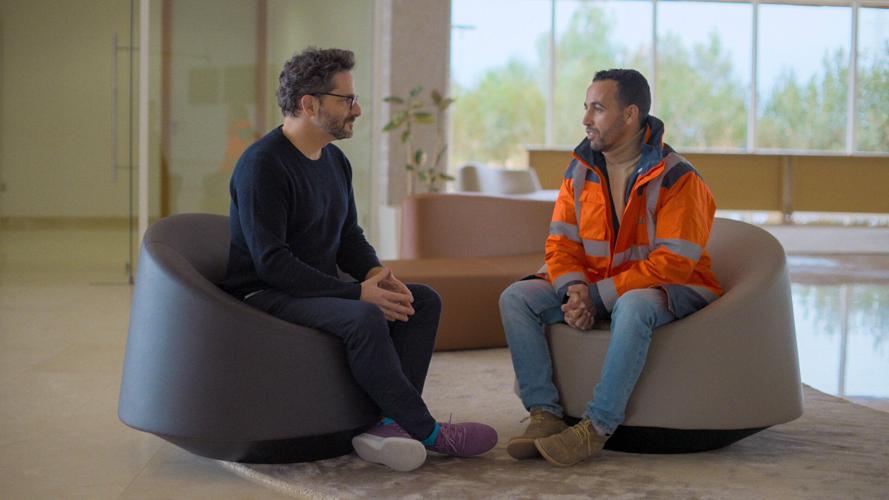
Ari Wallach talks with Abed Lagdem about changes that ensure a better future in "A Brief History of the Future."
In the series’ interviews, a pattern emerges: “It’s how you go about thinking about those tomorrows and then working towards them,” Wallach says.
Among the subjects: Sophie Howe, the first Future Generations Commissioner in Wales. Howe’s job has been to talk about how a decision made today might impact citizens hundreds of years into the future. She made numerous suggestions which informed elected officials’ decisions. The concept? “It’s going extremely well,” Wallach says. “Do we need that here in the U.S.? The answer is yes.”
People are also reading…
Technology, which was once viewed as the great hope for the future, inverted on itself and resulted in misinformation and disinformation. Had it been questioned, Wallach says, we might not look at the future with concern.

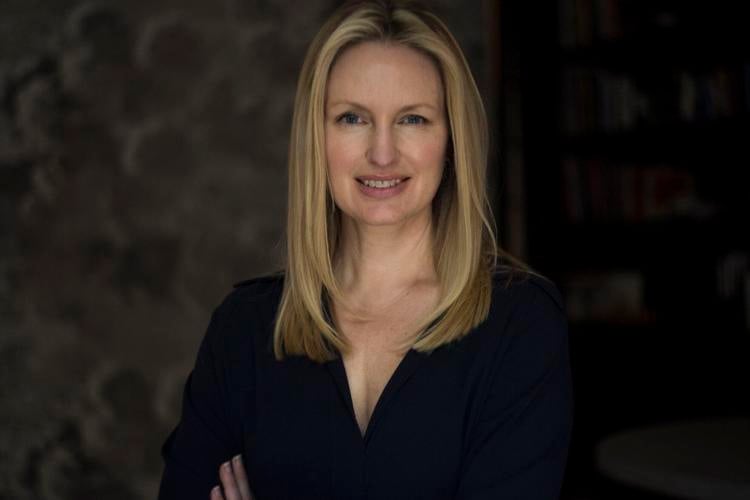
Futurist Kathryn Murdoch is an executive producer of "A Brief History of the Future."
“There are real problems,” says Kathryn Murdoch, the series’ executive producer. “But there are also real solutions and real people working very, very hard to make sure that we have a better future.”
Indigenous peoples, for example, protect 80 percent of biodiverse environments. “They are unbelievably optimistic because they’re both bringing in ancient wisdom and tradition in ways of caring for the land in their trust, but they’re also connecting that with modern science,” Wallach says. “The way they forest and farm will be regenerative for hundreds of thousands of years but they’ll couple that with satellite technology to spot wildfires and infestations.”
In the 1930s and ‘40s, futurists saw a world from the point of technology. “What’s missing (from their vision) is women in the workplace,” Wallach says. “What we consistently get wrong in our imagery is that we over-index on the technology and under-index on the social, psychological realities of how things will change.
“ ‘Star Trek’ did this for us in the ‘60s – the first interracial kiss, decades before anyone else would do it. (Creator Gene) Roddenberry was a genius, right? He understood you could intermix the technology with the social. But that’s what we mostly got wrong. We were always focused on the technology, much to the detriment of other aspects of what makes up our lived, collective reality.”

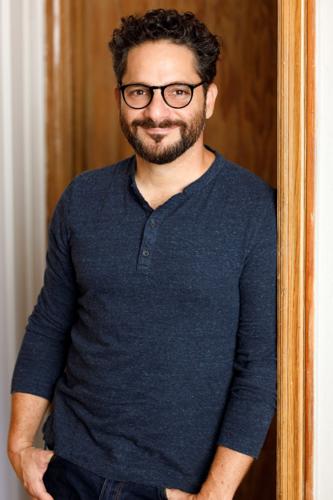
Ari Wallach hosts "A Brief History of the Future."
Climate change is a key issue for futurists. “A lot of the fighting we have is actually fear of the future,” Murdoch says. “Part of what we want to do here is clear the deck and say, ‘Yes, climate change is happening.’ But, also, we could make a better future. A clean energy future is actually a better future. It’s not about sacrifice. It’s not about all the things that you can’t do. Everything about it is a more amazing future. But we don’t picture those. We only show the disasters. If we’re not careful, yes, that’s what we’re going to end up with. But there’s a better version of that. What we need to do is start to visualize that better future so we can achieve it.”
Among the success stories “Brief History” can point to: Coral reef restoration. Scientists found by taking pieces of coral that had been knocked off in storms, putting them in salt ocean water and slightly heating them up they could put them back in the ocean. “They were futureproofing this coral,” Wallach says. “Now we’re putting coral back that’s more prepared for a hotter, more acidic ocean. (Experts) are not just restoring what was but preparing for what will be.”
“A Brief History of the Future” airs in April and May on PBS.

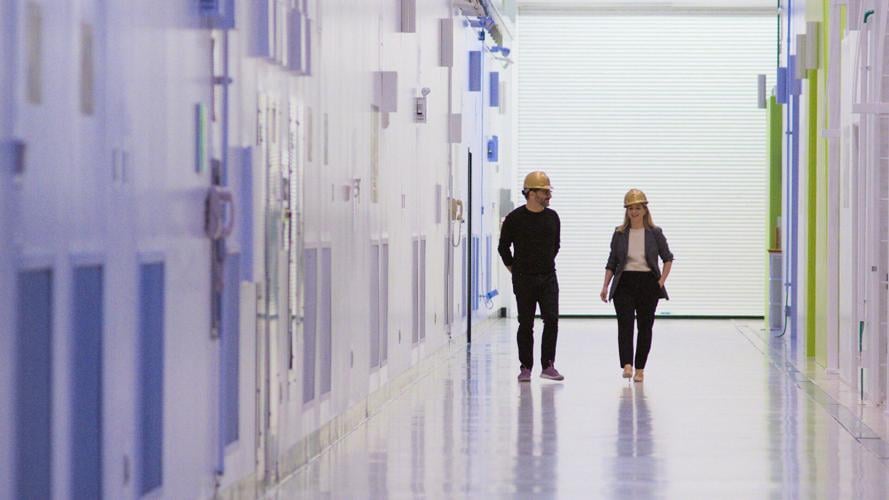
Dr. Andrea Kritcher talks with Ari Wallach about the future in "A Brief History of the Future," a new PBS series.
Bruce Miller is editor of the Sioux City Journal.