


LONDON — I’m peering up from the roadside on the outskirts of La Fortuna wondering if Italian painter Leonardo da Vinci ever visited Costa Rica.
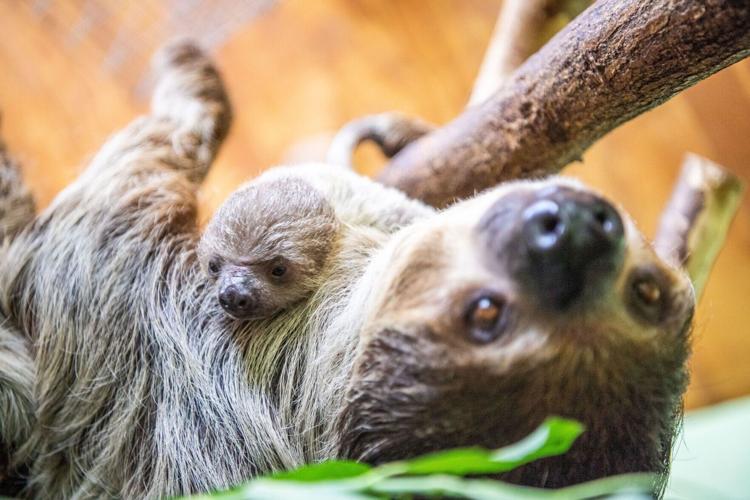
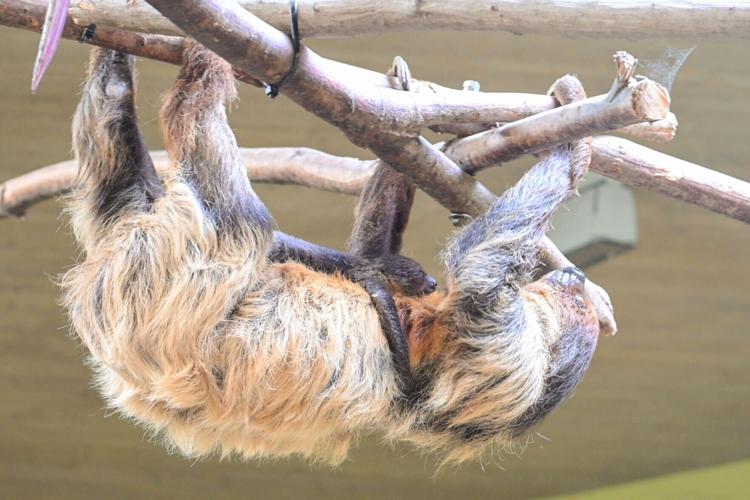
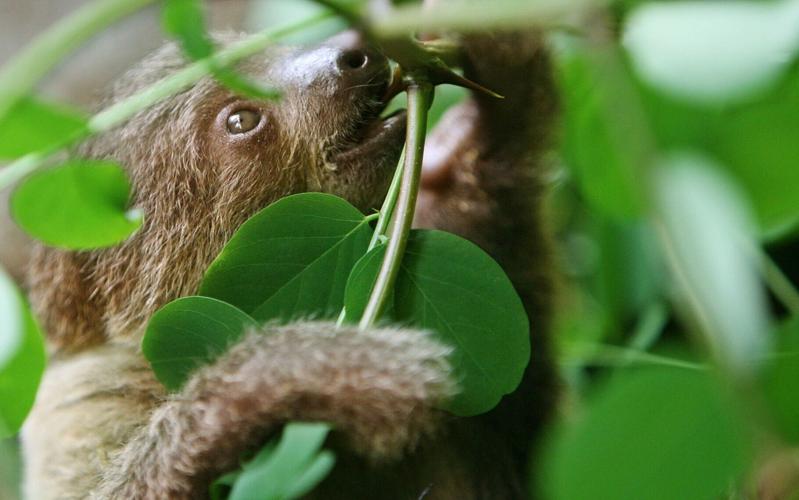
It’s a fanciful thought, but the three-toed sloth who has just shifted his position in the cecropia tree to face me is wearing a grin so beguiling I can conjure just one worthy comparison.
There are arguably only two countries in the world capable of selling an entire holiday around a single smile: France, for da Vinci’s Mona Lisa, and Costa Rica, home to the languid, quirky sloth.
“I always joke that sloths have a bit of Costa Rican DNA,” our excellent guide for the week, naturalist Fabian, tells me later.
“We’re very laid-back, very relaxed, and we don’t stress much, which can sometimes even annoy people, but it’s the way sloths are.
People are also reading…
“Whenever people in other countries think of sloths, they think of Costa Rica.
“They always have a smile on their face. That’s why we identify very much with the sloth. We’ve been named one of the happiest countries in the world, and everyone who comes says that we are very welcoming.”
Surprisingly, both of Costa Rica’s native sloth species – Hoffmann’s two-toed and Brown-throated three-toed – only officially became national symbols of wildlife in 2021, when even the law acknowledged their singular popularity.
There are, unfortunately, still money-motivated criminals at work, who illegally snatch sloths from the wild – including babies – and install them in unnatural environments, promising sightings and photo opportunities.
Locals, suggests Fabian, are often able to identify which operators to avoid, but the best way to maximize your sightings, and guarantee an ethical experience, is by hiring a registered guide for a few hours at one of the many national parks, a full day, or even your whole trip.
Some animals can be difficult for the untrained eye to spot, but wildlife in Costa Rica is impossible to miss.
Turkey vultures perch atop street lamps like winged CCTV, and scarlet macaws swoop playfully past souvenir outposts.
Chirping geckos provide dinnertime musical accompaniment, frogs croak lullabies, howler monkeys habitually replace alarm clocks, and metronomically-screeching cicadas on several hikes remind me of impassioned football ultras.
My first two iguana encounters take place beside luxurious hotel pools, where they lounge sumptuously, like stars in a reptilian remake of "The White Lotus."
Night walks offer the opportunity to encounter creatures with a different circadian rhythm, from iconic red-eyed tree frogs to adorable kinkajous.
If you do decide to embark on a Costa Rican wildlife adventure independently, my top tip is to look out for one ubiquitous object: the scope.
Most guides carry the powerful magnifying devices and a tripod, so keep your eyes peeled for groups crowded around one, because they’ll be eyeing something of interest.
If you’re polite, you might even be permitted to take a surprisingly decent phone picture from the lens.
We are here during the "green" season (May to November) – also a euphemism for "rainy," but don’t let that dissuade you.
Pack perspective, a poncho, and embrace “pura vida” (“pure life”) – Costa Ricans’ favorite expression and a national ethos – and you’ll be rewarded.
The scenery is at its lushest, accommodation in some areas can be 30% to 40% cheaper than the high season, rain offers respite on humid hikes, and there are fewer queues for popular attractions – though booking national park tickets a couple of weeks in advance is still advised.
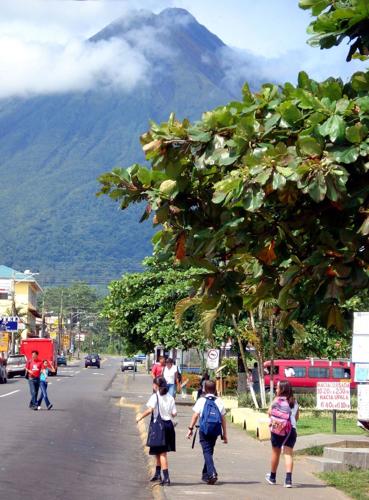
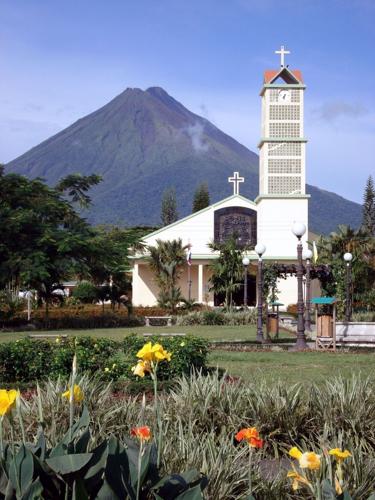
In La Fortuna, relaxing on my balcony – with a view of the famous Arenal Volcano above the Royal Corin’s natural thermal pools, following a lava-field hike, the green seems to stretch for an eternity.
Even some sloths are verdant. Micro-cracks in their fur allow algae to grow, furnishing a haven for moths and fungi; symbiotically, the verdigris provides camouflage.
Costa Rica, which gained independence from Spain in 1821, boasts 6% of the planet’s biodiversity, despite occupying just 0.03% of Earth’s surface area.
“Ticos” – Costa Ricans, colloquially – started growing coffee in the early 19th-century and exporting it in the 1820s. The industry boomed, enabling future generations of "coffee elite" to attend school abroad.
They returned with new ways of thinking, including environmental principles that were embraced by progressive leaders and endure today, enshrining Costa Rica as a global leader in preservation.
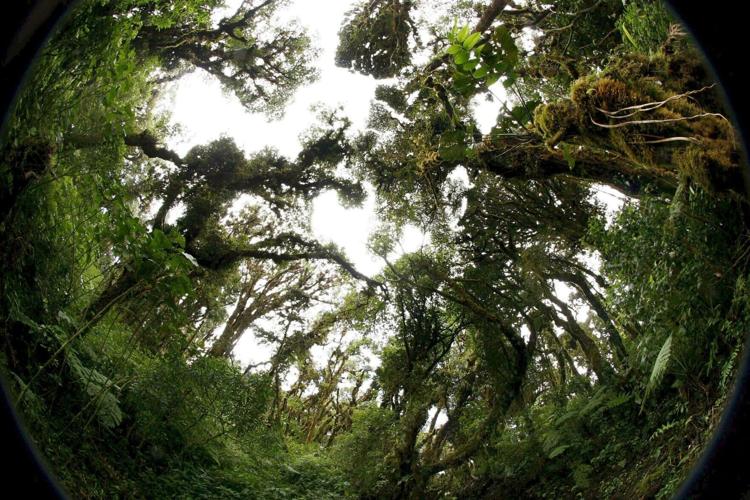
Climate change-threatened cloud forests make up only around 0.26 per cent of our planet’s land surface, yet this sliver of Central America is world-renowned for them.
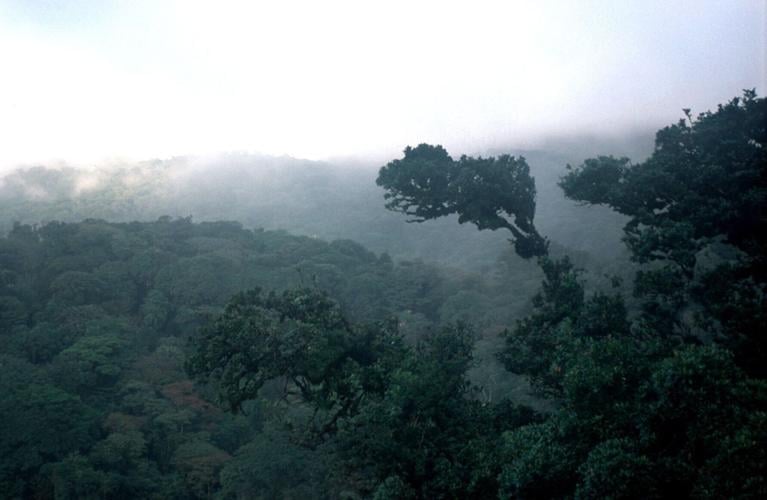
After winding our way up unexpectedly pastoral, cattle-dotted landscapes (with a tropical twist), we arrive at the country’s most well-known cloud forest, Monteverde. This is Costa Rica at its most mystical.
The next morning, after wobbling across hanging bridges at Treetopia, we are strapped into harnesses and whiz dangling, like sloths on steroids, across a 3-kilometer, seven-zipline course, 100 meters at its highest.
I watch my companions disappear into foggy oblivion before we reunite, giddy and grinning.
Suddenly the mist lifts, a floral perfume wafts from a nearby tree, and I am offered a perspective so exhilaratingly expansive it feels almost inconceivable that I am able to experience it without wings.
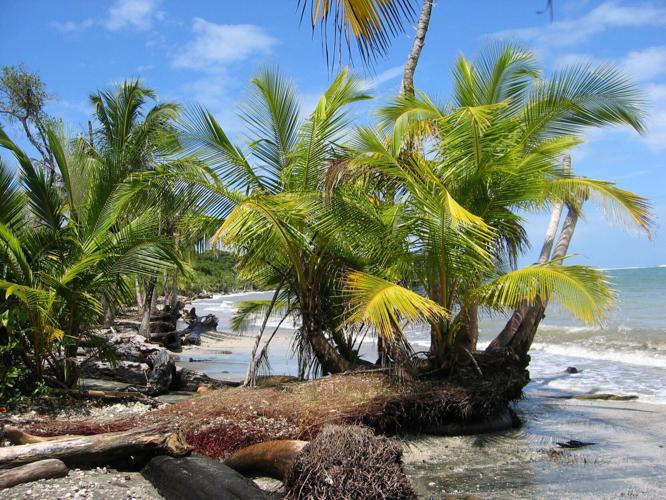
On our last full day, as I nurse a coffee at Miamar, an impeccable beachfront resort down the Playa Espadilla sand from the famous Manuel Antonio National Park, Fabian obliges my request to explain his tattoos.
His right arm, a sleeve of flora and fauna, is a stunning tribute to his country’s natural abundance. I ask what he would pick as a national symbol, and Fabian points to the sea turtle on his upper arm.
“Whenever I see them, it’s like the first time,” he explains. “It’s like falling in love. It’s something that fulfills your being.”
I’m rarely a country-repeater, but he’s spot-on. I’ve been smitten with Costa Rica since the first sloth smile, and I know this is just the beginning of a wild entanglement.


