

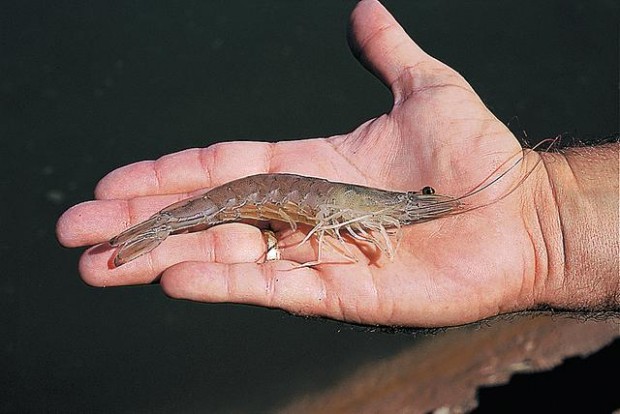
Fry them, boil them, grill them, chop them into salads. Everybody loves shrimp — tasty, succulent and straight from the Arizona desert.
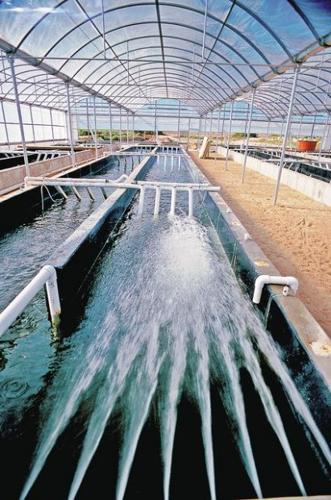
Uh, that's right, some of the best-tasting shrimp you can buy, according to its own surveys, comes from a shrimp farm in Gila Bend, which is southwest of Phoenix along Interstate 8.
Shrimp in the desert? Sort of takes the sea out of seafood.
The farm raises "desert sweet shrimp," a product it shamelessly declares to be "the world's best-tasting shrimp." Gary Wood, whose family owns Desert Sweet Shrimp, said that in taste tests at fairs and exhibits, their shrimp wins 95 percent of the time. It is lower in iodine and contains less salt and no additives, he said.
Shrimp is a good low-fat, low-calorie protein. Four ounces serves up only 112 calories and less than a gram of fat. An excellent source of selenium and several vitamins, shrimp is also the most popular seafood in the United States, according to the Environmental News Network, even if in this case it doesn't come from the sea.
People are also reading…
"There's probably no better place to grow them," said Craig Collins, the farm's manager. According to Collins, the desert heat speeds the shrimp's growth, and the calcium in the area's aquifer allows the exoskeleton to harden quickly, so they peel easily. "We offer the finest quality you can buy," he said while working on a customer's 100-pound order for a wedding in New York.
"We sell mostly through the Internet," Wood said. The farm used to sell its shrimp to wholesale brokers and specialty markets such as AJ's Fine Foods, Whole Foods Market, and Sprouts, but was losing out to foreign suppliers.
"The brokers tell us consumers don't know the difference," Wood said. So the farm cut back on the amount of shrimp it produces and eliminated the brokers in favor of direct marketing through its Web site. The farm is hoping the brokers are wrong.
The Wood family farm is the last of four Arizona farms that raise shrimp. One of the four, a farm in Hyder, has had more success converting to tilapia, a popular white fish, Wood said.
"We can't compete with the Chinese and Vietnamese on price," Collins said.
Wood counts a Phoenix resort and a Maricopa County restaurants as steady commercial customers.
He said the Shedd Aquarium in Chicago buys his shrimp to feed its exhibit animals because the product is pure. Some animals practically demand the desert shrimp. "Otters are finicky eaters," Wood said.
The word has spread, and Wood is talking about supplying other aquariums.
For its nonfurry consumers, Desert Sweet Shrimp harvests shrimp from its ponds in mid-October and packs it in ice. Then the shrimp is trucked 60 miles to a Phoenix processing plant. Although Wood says shrimp with its head intact is one criteria of high quality, the plant processes his shrimp headless and deveined "because that's what customers want." Additives such as sodium tripolyphosphate (STPP), which is used to retain moisture and add weight, are not used. The shrimp is then packed in dry ice and delivered to customers by FedEx.
Both Collins and Wood managed shrimp farms in Ecuador, but they said some of the techniques used at the time were damaging to the environment. Ten years ago, they started shrimp farming on the Wood family farm, partly to prove you could do it right.
"Our niche is we're locally grown, and it's sustainable aquaculture," Wood said. "We don't ever discharge the water." The water from the ponds is used to irrigate other crops, alfalfa and olive trees.
"We've shown the plants grow twice as fast with this system," Collins said. That led to two new products, a buttery-tasting olive oil, also sold on the Internet, and a thriving nursery trade in landscape olive trees.
The smart water system used on the farm was studied at the University of Arizona's Environmental Research Laboratory, where researchers, including Kevin Fitzsimmons, have been developing healthier shrimp stocks and eco-friendly production techniques.
He said when farms such as Desert Sweet Shrimp use "best practices," farm-raised shrimp is better for consumers. The shrimp is fresher because it is processed immediately. Ocean shrimp may be dragged along in nets for hours and sit in the hold of a trawler that may be two days away from shore.
Fitzsimmons claims environmental benefits as well. He points to the ecological damage from nets, the nonedible biological products caught along with the shrimp and the waste that it creates, and transportation costs and the hydrocarbons burned in pursuit of wild catch.
"I think farm-raised wins, although ecological improvements could be made (to the farm-raised methods)," he said.
And you're probably eating more farm-raised shrimp than you think, even from our neighbor to the south. "Well over half the shrimp exported from Mexico to the U.S. is farm-raised," Fitzsimmons said.
But Collins and Wood hope you'll shop even closer to home.
Shrimping practices are set to get better
You want the best for yourself and your family. So, if your shrimp didn't come from an Arizona farm that you can tour, how do you know that it was caught or raised using environmentally friendly methods and is safe? Researchers, including Kevin Fitzsimmons, said that farmers, fishers, buyers and environmentalists are cooperating to develop certified products based on best practices.
One program in place is "BAP," for Best Aquaculture Practices, certified by the nongovernmental Aquaculture Certification Council. You can look for a blue BAP seal on the package. The nonprofit and nonmember multinational organization applies standards based on on-site visits, health and safety controls and traceability. The certification applies only to shrimp hatcheries, farms and processors.
A recent informal survey of four chain grocery stores in Tucson found no BAP-certified shrimp in the frozen-food sections. At minimum, packages declared the country of origin (except for a Kroeger's brand sold at Fry's). A brand from Thailand sold by Albertsons did list its Food & Drug Administration OK and its certified customer-satisfaction practices.
Other seals of approval are on the way. The Network of Aquaculture Centres in Asia-Pacific, an intergovernmental group promoting rural development through aquaculture, is moving toward a Best Management Practices (BMP) certification for shrimp and other farm-raised seafood. A draft of proposed standards is scheduled for discussion later this year at international conferences and adoption by the organization by the end of 2008.
The World Wildlife Fund has investigated shrimp and fish farms in the past and said that an independent aquaculture certification program is "timely, urgent and important." Focusing on environmental and social effects and not endorsing any current standard, the WWF states that shrimp farming and processing standards need to be "concise and measurable."
Gary Wood, whose family owns Desert Sweet Shrimp in Gila Bend, said the best quality of open shrimp sold at your local seafood market will be head-on, uncooked shrimp. The next level is headless, shell-on raw shrimp, and the lowest quality, he said, generally is peeled, cooked shrimp because cooking the shrimp can cover a multitude of processing sins.
Most all packaged shrimp surveyed at stores used STPP "to retain water." High levels of STPP add water weight, and consumers may wind up paying shrimp prices for water. Independent tasters also have reported that STPP adds a "soapy" and "sour" taste to food.
Consumers demanding healthy, environmentally friendly shrimp will speed changes in the way it is grown and marketed.