

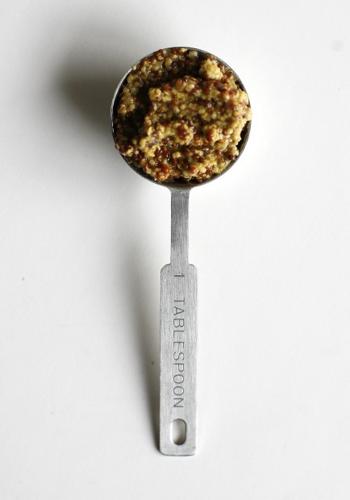
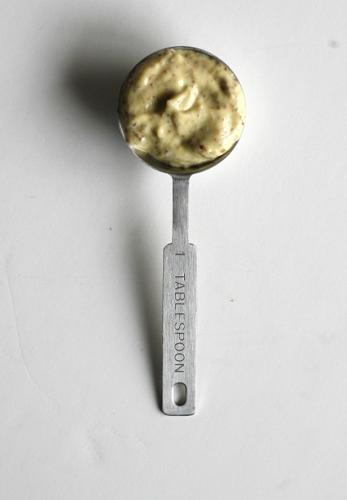
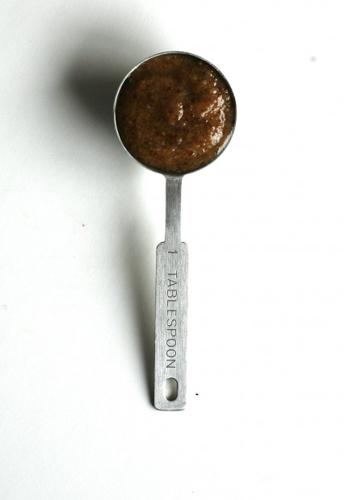
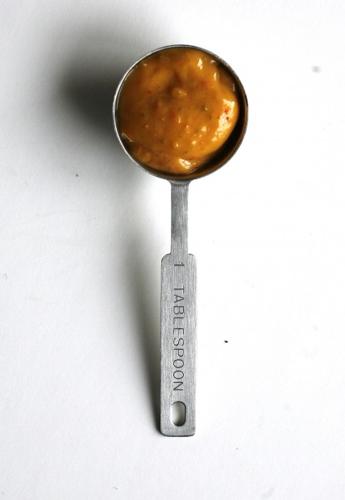
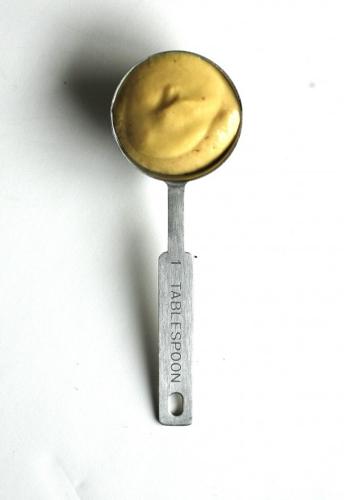
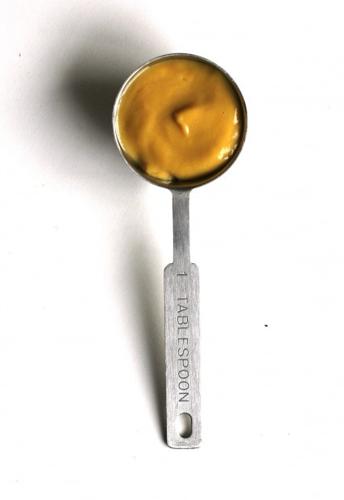
As we gather our recipes for family dinners, we discover that many of our spring dishes contain a bit of sunshine: mustard.
Many of us might think of the basic yellow ballpark mustard when we shop, but if you've been at the grocery store recently, you've probably noticed the tremendous number of mustards available.
From honey and raspberry to wine and beer, mustard has the power to transform a sausage or baked ham into a taste sensation.
But it seems that the more exotic a mustard is, the more bucks it commands.
It's nearly impossible for the home cook to replicate the classic mustards, Mark Bittman wrote in "How to Cook Everything." But you can make a range of good mustard with little effort and little expense.
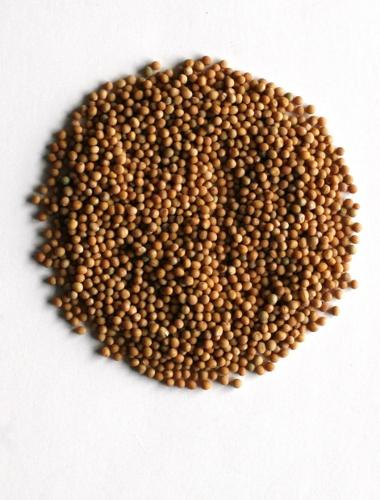
You can buy powder or seeds, which can be crushed or ground into powder, or you can use a mixture. There are three kinds of seeds: yellow, which are the mildest; brown, which are more flavorful; and black, which are quite sharp. Mustard also is available as a powder, or "flour."
People are also reading…
Ground mustard has no aroma or even much flavor until liquid is added. To mix your own hot mustard, just add water and allow it to sit for about 10 minutes. After an hour or so, the pungency begins to decline unless some sort of acid, such as vinegar, is added.
Don't be surprised if the mustard you mix at home is not as brilliantly colored as that in a jar. Commercially prepared mustard is yellow from the addition of turmeric.
Cooks who like to make their own mustard often start with Colman's English mustard powder and add water, wine, beer or vinegar, plus a sprinkling of herbs, jam, sugar or honey.
For even better taste, start with the whole seeds. Seeds are combined with a liquid and soaked for two days, then puréed or mixed with other ingredients. If you're looking for a creamy mustard, the paste will have to be forced through a sieve. Allow the mixture to age, then store it in the refrigerator, according to "The Mustard Book" by Jan Roberts-Dominguez.
Dijon mustard, from France, is synonymous with mustard.
"A lofty version of a common condiment, real Dijon mustard has culinary clout, and some are as revered as a great wine," according to Cook's Illustrated magazine. Numerous Dijon mustards are manufactured in the United States. Many cooks assume that real French mustards must be superior to those made in America. The staff at America's Test Kitchens set out to determine whether the French Dijon mustards were better than American products. The answer was "an unequivocal no."
When buying Dijon mustard, forget about American versus French. Read labels and choose a fresher product, because mustard loses its heat quickly, according to Cook's Illustrated, which recommends buying small jars and replacing them frequently.
Smooth English-Style Mustard
Makes: 1/2 cup
• 1/2 cup yellow mustard seed powder
• 1 teaspoon salt
• 1 tablespoon flour
• Water, wine or beer
Combine the first three ingredients in a small bowl. Whisk in the liquid, a little bit at a time, until the mixture is smooth and creamy. Let sit for at least 30 minutes before using. Store in the refrigerator, covered, until ready to use.
Source: "How to Cook Everything" by Mark Bittman
Mustard-Herb Vinaigrette
Makes: 1 quart
• 8 ounces white wine or cider vinegar
• 2 ounces Dijon mustard
• 2 tablespoons chopped parsley
• 1/2 teaspoon onion powder
• Dash garlic powder
• 2 teaspoons sugar
• 2 tablespoons chopped herbs
• Salt, as needed
• Ground white pepper, as needed
• 24 ounces vegetable oil
• Water to adjust flavor, as needed
Combine vinegar, mustard, parsley, onion powder, garlic powder, sugar, herbs, salt and pepper. Gradually incorporate the oil in a thin stream. Add a little water, as needed, to adjust the flavor. Adjust the seasoning with salt and pepper to taste. Serve immediately or store in refrigerator.
Source: The Professional Chef
Hot Mustard
Makes: 2 1/2 cups
• 4 ounces Colman's dry mustard
• 1 cup flour
• 1/2 cup sugar
• 1 teaspoon salt
• 1 1/2 cups white vinegar
• 2 tablespoons vegetable oil
Combine dry ingredients in a blender. Pulse to combine, then add vinegar and vegetable oil. When thoroughly blended, transfer to a jar with a tight-fitting lid (one that formerly held store-bought spaghetti sauce is perfect). Stir daily for 7 days before serving. Like all mustards, this one keeps indefinitely in the refrigerator.
Source: "Simple Italian Sandwiches" by Jennifer and Jason Denton