


The goose was a favored fowl among ancient societies, and the centerpiece of the Victorian Christmas dinner. It was on Bob Cratchit’s table before a giddy Ebenezer Scrooge sprang for the prize turkey on Christmas morning.
Perhaps it will find a place of honor on your holiday table this year.
Two Tucson chefs give tips on how to make it a tasty dish — and what to serve on the side.
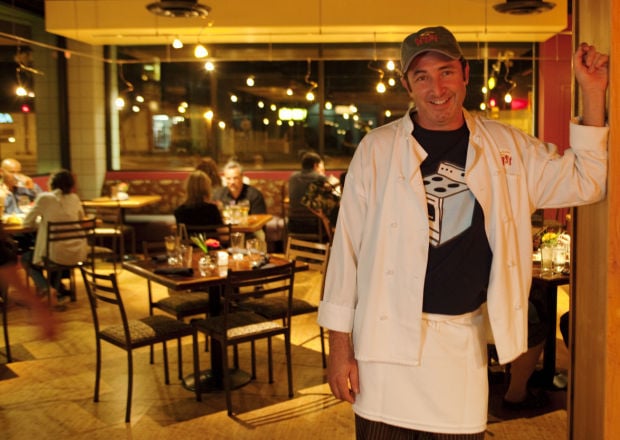
“I’ve never known Arizona to be goose country, but it is a tradition for some, and is popular among British ex-pats,” said Doug Levy, chef and owner of Feast.
The taste and texture of the rich, gamy goose differs from the more traditional turkey, Levy said, and can benefit from a good brining before roasting.
“Brines work well for a gutsier bird like a goose,” Levy said. “It can handle whatever you inflict on it. And brining the bird makes it hold on to more moisture.”
People are also reading…
Levy suggests brining can work well for any roast bird — goose, quail, game hen, turkey.
“The breast cooks faster than the legs and thighs and it is apt to dry out,” he said.
He suggests using a brine that mixes salty and sweet with a variety of spices (see recipe). Brine the bird in the refrigerator overnight.
Depending on the size of your goose, the bird should cook in about two hours. He suggests roasting the bird at 300 degrees, and no higher than 325.
Be prepared for copious amounts of fat to be rendered during roasting, Levy said.
“A goose is a water bird, which needs fat to help them float,” he said. “The slower you render the fat, the crispier the skin is.”
Before roasting, poke the skin all over so it gives the fat a place to go, adding to the crispiness of the skin.
Cooking a goose will result in as much as a quart of goose fat. Some people cook their goose over vegetables, including carrots, onions and potatoes. “The vegetables end up almost deep fried,” Levy said.
Check your cooking goose frequently and siphon fat from the pan to prevent a grease fire. Some of the fat can be saved for other purposes, including a gravy or sauce. It also makes an excellent pie crust, Levy said.
While it won’t look like a bird in a Norman Rockwell painting, Levy said some chefs cook the goose until the breast reaches about 140 degrees, then remove the breast and return the legs and thighs to the oven, cooking until they reach 160 or 165 degrees.
“Poke a hole in the skin where the leg meets the carcass. If the juices run clear, it is ready,” Levy said.
Be careful not to overcook the bird, as it can dry out.
He said goose can be tough and stringy, and suggests cutting across the grain, perpendicular to the sternum, not parallel.
Geese can be stuffed, but the resulting stuffing will take on a gamier, fattier taste.
He suggests pairing it with a fig glaze, dried fruit compote or dates or prunes stewed in brandy.