

When it comes to eating, being green is not about buying organic.
At least not to the "slow foodie."
As an emerging Earth-conscious in-group, the Slow Food Movement focuses on taste, cleanliness and the impact that the food we eat has on animal welfare and the environment.
The movement began in 1986, when Italian author and chef Carlo Petrini denounced the opening of a McDonald's in Piazza di Spagna in Rome, organizing a protest of marchers brandishing bowls of fresh penne.
Three years later, Slow Food International was founded in Paris. The premise was that the industrialization of food was standardizing taste and eradicating thousands of food varieties and flavors.
The Slow Food philosophy began with the old-school ideals of gastronomy — long lunches and good wine — and had a bit of an effete air to it, attracting gourmet chefs and highbrow foodies to chapters called conviviums.
People are also reading…
But the movement has since evolved into a broader purpose of being kinder to the planet through our food choices, as well as of rediscovering the pleasures of the table.
"Going to any fast-food restaurant or having a fast-food dinner, that would be the opposite of Slow Food," said Tucsonan Bob Berzok, a committed "slow foodie" and treasurer for the local Slow Food Tucson group.
"It's not just a matter of eating quickly, but the type of food that you eat. Slow Food is about eating fresh vegetables and organic foods but is not restricted to organic or vegetarian."
The 8-year-old group was founded by chef Barry Infuso of the Culinary Arts Program at Pima Community College and his wife, Jashio Pei, who is a local artist.
Among the group's events are lectures, cooking demonstrations and meals at restaurants that support the slow-food movement.
Berzok said eating in a healthy fashion is an important part of the Slow Food movement, as is enjoying the food.
"It's true that a lot of people enjoy fast food, but you can't eat healthier than in a Slow Food tradition," he said.
Slow Foodies consider themselves co-producers, not consumers. By being informed about how food is produced and by actively supporting producers, they see themselves as a partner in the production process.
They believe what they eat should not only taste good, but should be produced in a clean way that does not harm the environment, animal welfare or our health.
They also say food producers should receive fair compensation for their work.
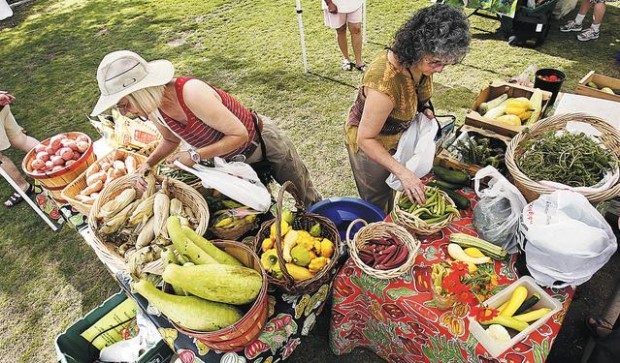
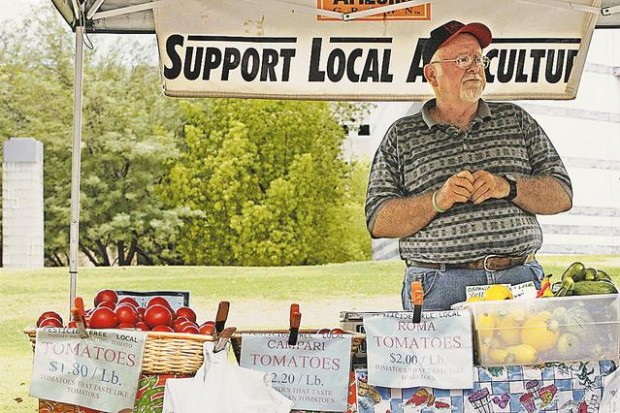
Slow Food Tucson promotes prickly pear and saguaro fruit, local citrus and peach orchards, local wineries and ranches with grass-fed beef. The group also urges consumers to eat at local restaurants that support the Slow Food Movement, such as Elle Wine Country Restaurant in Midtown.
Elle's owner and chef Jeff Fuld buys locally whenever possible.
Occasionally he imports food because of what he believes is superior quality, such as New Zealand lamb versus domestic lamb.
But in general, Fuld opts for food produced in Arizona. The restaurant's menu features locally grown herbs, fruits and vegetables from Forever Yong Farm in Amado.
"I like the concept of spending your money locally and working locally from a business perspective," Fuld said.
The Slow Food movement also has what it calls an "arc of taste" — encouraging the consumption of food plants and animals that are in danger of disappearing because they are not eaten enough, such as chapalote corn, the Delaware Bay oyster, the American persimmon and the hinkelhatz hot pepper.
Slow Food International now has more than 80,000 members on five continents. The international office is in Bra, Italy, and employs more than 100 people.
A Food Revolution?
Erika Lesser, executive director of Slow Food USA, categorizes the Slow Food Movement as revolutionizing food. She says it is unique for its appeal to the nutritionist, the environmentalist and the food lover.
She says that concerns about obesity and diabetes have raised awareness of food choices and that government, health and business leaders are finally realizing that the present food system is making people unhealthy.
"There is the collective realization that our planet is also in crisis. Our leaders are finally admitting that the way we have been conducting business is depleting our resources, and the industrialized food supply is the largest contributor to pollution," Lesser said.
If you go
The third annual Tucson Slow Food Film Festival
• Begins at 4:30 p.m. Thursday with an opening night reception at the Catalina Steakhouse at the JW Marriott Starr Pass Resort & Spa, 3645 W. Starr Pass Blvd. Festival events are planned through Jan. 13. Film screenings, lectures and meals will be held at various locations throughout the city.
• Among films set to be shown are "Chinese Restaurants: Latin Passions," "Like Water for Chocolate," "Wedding Banquet," "Fried Green Tomatoes," and various other films that focus on food.
• Some of the planned meals include tequila tasting and Mexican mole at Miguel's Seafood-Mexican restaurant, 5900 N. Oracle Road, and brunch at Vila Thai Restaurant, 972 E. University Blvd. Prices range from $15 for some individual events to $300 for a four-day, all-inclusive package.
• Information and tickets: www.slowfoodtucson.org or call 743-8160.