

You might feel hot and bothered with the weather right now, but it's ideal for some plants to grow.
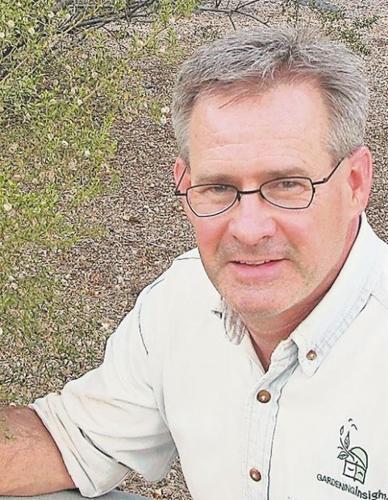
"This is a great time to plant native plants," says landscaper Greg Corman, owner of Gardening Insights (603-2703, www.gardeninginsights.com).
Warm soil, higher humidity and monsoon rains make desert and desert-adapted plants kick into their active phase, bringing quick growth with little effort.
If an irrigation system will water your new plants, you can put them into the ground now, says Corman, who teaches workshops and gives talks about native gardening. Just make sure the plants get plenty of water until they're established.
If you plant somewhere that does not have an irrigation system, wait until the rains start to help with the watering.
Trees and bushes. You don't have to plant only Sonoran Desert natives.
People are also reading…
"Tucson is really right on the edge of the Chihuahuan Desert," Corman says, so anything that grows in the Southwest should do well when planted now.
His favorite native trees are the velvet mesquite, desert willow and Texas kidneywood. He mentions the Mexican bird of paradise and the Texas ranger as good choices for summer planting from among many flowering plants.
Summer is the best time to buy flowering native plants, he says, because they're in bloom and you can see what colors you're buying.
"You can get the colors you want," Corman says.
He suggests buying the smallest plants you can to save money and avoid root-bound problems.
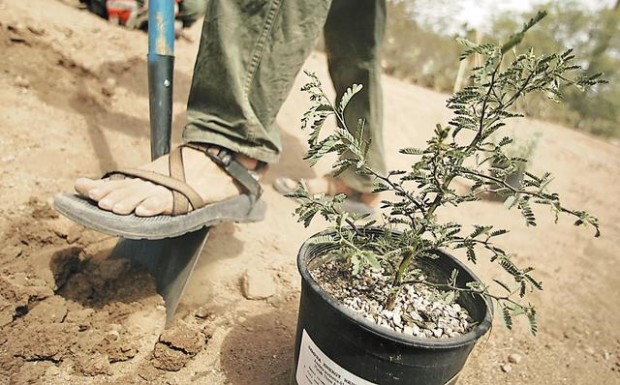
Dig a hole no deeper than the root ball and about three to five times the width of the pot in which you bought the plant. Score the root ball about an inch deep if there are circulating roots. Put the soil back to the top of the root ball, making sure not to cover the trunk.
You don't need a special soil mix, but top it with mulch to keep the moisture in. Deeply water daily for a week, then every two or three days until it's established.
Vegetables. You can start vining plants such as squashes and some beans for harvesting in the fall. Check with local sources such as www.nativeseeds.org for appropriate crops, Corman suggests. Wild greens, known in Mexico as quelites, such as amaranth, also thrive in this weather. Plant seeds or seedlings — the landscaper finds them in alleyways — in equal portions of commercial soil mix and dirt. Cover with mulch.
Thoroughly soak the soil when watering and provide light afternoon shade.
You can share your monsoon gardening tips, as well as stories, photos and video on the monsoon blog. Find it online at go.azstarnet.com/monsoon
The right ways to water after rain
Monsoon rains might not water your new plants adequately.
You can count on the rain for irrigation if the water puddles around a plant or if the plant gets direct run-off from the roof.
Otherwise, you still need to water newly installed plants through the season, says landscaper Greg Corman.
Don't use run-off water from an evaporative cooler, which is high in salts, he advises. Do use water from air-conditioner condensation.