

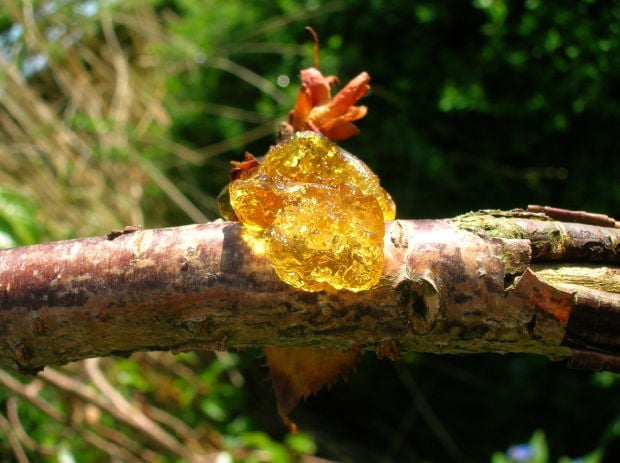
Q: I saw your newspaper column and wondered if you could help me. A year ago I lost a grapefruit tree. It started with one branch rotting and continued to the trunk of the tree. Now the back branches on my two citrus trees are rotting away. First the bark starts to peel away and then the branches become rotten underneath. Several nurseries have said that I either watered the trees too much or the frost is killing the branches. I’d appreciate any information.
A: The most common trunk disease we see is Phytophthora gummosis. Symptoms are often first recognized when the bark dries, cracks and falls off. The disease comes from the soil, starts in the rootstock and can spread to the crown. The decline of the tree can happen within a year or take several years. Sap oozes from cracks in the trunk and can create a gummy blob on the trunk if it is not washed off by rain.
People are also reading…
There are other causes for gumming and some are minor problems so it is good to get it diagnosed. The way to do this is to dig in the soil near the crown of the tree to expose the small absorbing roots. Healthy roots are firm where rotten roots have a soft outer tissue that slides off easily. If this is the case, you can collect some of these roots and the surrounding soil and have it analyzed by a plant pathologist.
As the nursery folks told you, excessive watering is the environmental key to this disease. As you may already know, with any disease you have to have three things: a susceptible host, the presence of the pathogen, and the environmental factors that allow the disease to thrive. With an established tree in soil with the pathogen the only thing you can control is the environment.
Schedule irrigation to prevent standing water around the root zone. In the winter we recommend watering every two to three weeks to a depth of 36 inches. In the spring and fall water every 10 to 14 days and in the summer every 7 to 10 days. Make sure the water is getting to the absorbing roots near the edge of the crown of the tree and keep the emitters away from the trunk.
Q: I have a large sweet acacia tree in my front yard, which provides a nice bit of shade. But it also provides thousands of brown seed pods the size of a little finger in the early summer and a heavy sprinkling of yellow, very fine debris in the fall. Both are tiresome to clean up. Is there a spray that would keep these pesky items from developing? And if so, where would I find someone to apply it?
A: I have one of these trees in my yard so I feel your pain. There are some growth regulators on the market that are used to prevent problem trees from producing flowers and fruit but usually these are applied in situations where people are allergic to the pollen, et cetera, and I am not sure if they are available or effective on acacias.
You might consider a cost/benefit analysis. If the things that drop from the tree are causing more stress than the shade can give you joy, I would recommend pruning the tree at the ground level and applying a herbicide to the stump so it will not grow back.
Peter L. Warren is the Urban Horticulture Agent for Pima County Cooperative Extension of the University of Arizona. Questions can be emailed to plwarren@cals.arizona.edu