

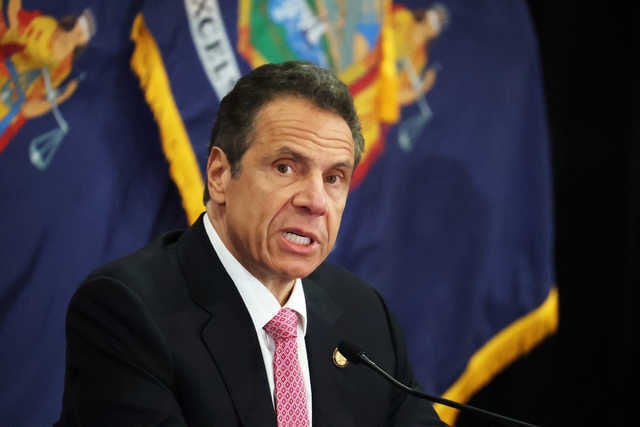
ALBANY – When state lawmakers convene next month for much-anticipated public hearings on Covid-19 infection and death rates at New York-regulated nursing homes, it's unlikely that Gov. Andrew M. Cuomo will be sworn in to provide details about the decisions he made during the pandemic.
But lawmakers are expecting to question and get answers from top Cuomo health advisers who carried out the governor’s orders, including a controversial March order that directed nursing homes to admit Covid-19-positive patients.
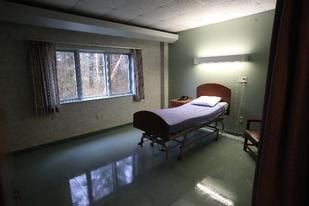
The Senate and Assembly will hold two hearings, on Aug. 3 and Aug. 10, to consider the various factors that contributed to more than 6,000 nursing home residents dying from the virus – an incomplete number since the administration in May stopped reporting on nursing home residents who died from Covid-19 in a hospital.
Yet, the Democratic governor will not be in any of the hot seats when lawmakers convene a series of public hearings starting later this month on Covid-19 – from the pandemic’s impact on jobless people who became jammed trying to get unemployment benefits rolling to college students who still aren’t sure they will be sitting in classrooms this fall.
People are also reading…
The most anticipated hearings: the infection and death rates at state-regulated nursing homes, where at least 6,000 residents died from Covid-19, some following a Cuomo order that nursing homes admit Covid-19-positive patients from hospitals.
The Cuomo administration Tuesday morning did not respond to requests seeking information about whether it will have any top state officials testify at the hearing.
Has the Cuomo administration, which has come under fire for decisions that might have affected the death toll in nursing homes, confirmed it will attend and answer questions from Democratic and Republican lawmakers?
“I can’t speak for the (health) department but would expect to hear from their key decision makers, such as the health commissioner, senior staff with expertise in areas such as nursing homes and hospitals, and potentially outside experts they’ve relied upon, such as hospital leadership," said Assemblyman Richard Gottfried, a Manhattan Democrat and chairman of the Assembly health committee.
Gottfried first requested a public hearing on the nursing home death crisis more than two months ago. On Monday evening, Assembly Speaker Carl Heastie, a Bronx Democrat, and Senate Majority Leader Andrea Stewart-Cousins, a Westchester County Democrat, announced the nursing home hearing dates along with a number of other pandemic-related hearings.
Questions about the nursing home deaths have followed Cuomo at public media events for months. The controversy grew in intensity last week after the governor’s health department dismissed the role of Cuomo’s March 25 nursing home admission order for any “significant” number of deaths at the facilities. The report, instead, blamed nursing home staff and visitors for most of the Covid-19 cases of especially vulnerable populations at the facilities.
That report acknowledged, by the state’s own count, that 6,300 people recovering from the virus were transferred to nursing homes during the height of the pandemic outbreak in New York.
Lawmakers will be pressing for answers on a host of issues specific to Covid-19: legal liability given by the state to providers during the emergency; availability of masks and other protective equipment; and how the state counts deaths at the facilities, Gottfried said.
The veteran lawmaker said he wants to also explore long-term issues – “like staffing levels, adequacy of Health Department quality and safety enforcement and adequacy of funding." He added those matters were problems before the pandemic, which he said “has both called attention to them and, in some cases, made them worse."
Sen. Gustavo Rivera, a Bronx Democrat who as Senate health committee chairman will co-chair the August hearings with Gottfried, said the witness list for the two hearings is still being compiled but that "it is necessary to include representatives from as many sectors as possible, including members of the Cuomo administration, in order to have a clear picture of what occurred and the roles each party played in the process."
Rivera said the hearings will "dig deep" to help lawmakers better understand what happened at the nursing homes and "allow us to thoroughly review the governmental policies and provider practices that contributed to these devastating outcomes." He said lawmakers are interested in pressing statewide policy changes to "overhaul and improve how nursing homes and long term care facilities operate during future pandemics and in general."
Both legislative houses are controlled by Democrats. Cuomo is a Democrat.
Lawmakers have already held some Covid-19 sessions, such as the pandemic’s impact on small business.
Besides the nursing home hearings, other public sessions over the next month will include how Covid-19 has affected colleges and students and its possible impact on the upcoming fall semester; and a review of turnout and how the election systems coped with Covid-19 during the recent primaries across the state.
Other hearings will include:
• The pandemic’s impact on workers, including problems with the unemployment insurance system and workplace safety standards.
• How veterans were affected by Covid-19.
• A review of the financial and operational impacts of the virus on the Metropolitan Transportation Authority, the system that runs the subway, bus and train services in downstate.
Both legislative houses are due to reconvene Monday for several days of session. The Assembly is holding committee meetings remotely this week, moving hundreds of bills on dozens of statewide and local issues that may make it onto the full floor agenda next week.


