

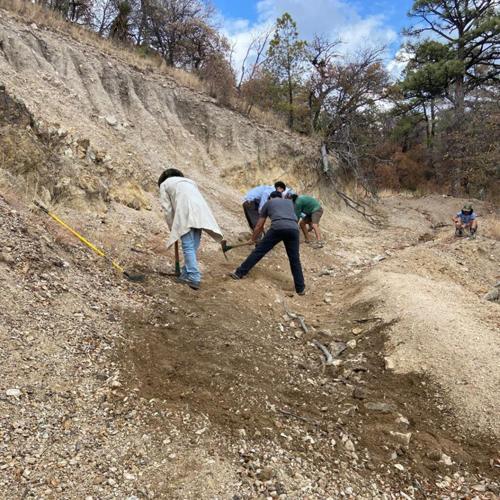
In recent years, water has become a very scarce resource in the region, due to several factors, including the overexploitation of aquifers, rivers, and reservoirs for mining, overgrazing, climate change, and the lack of protection for springs. Together, all of this has caused a reduction in this vital resource that sustains both us and the ecosystems of the Sky Islands.
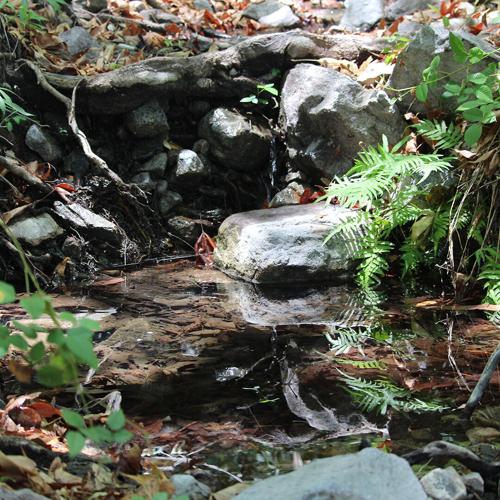
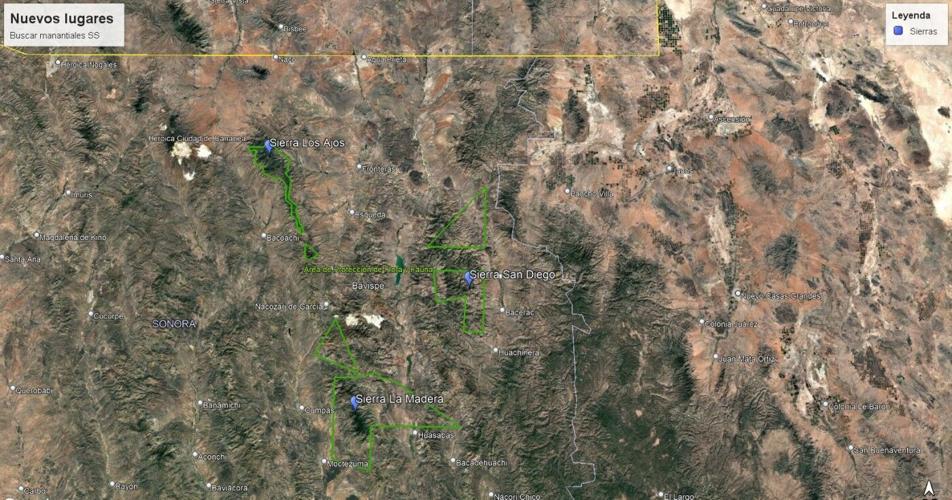
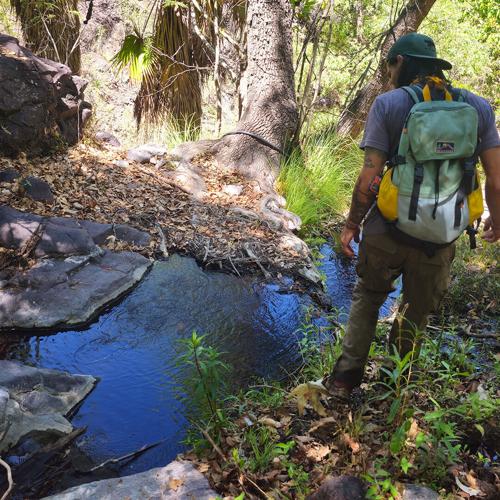
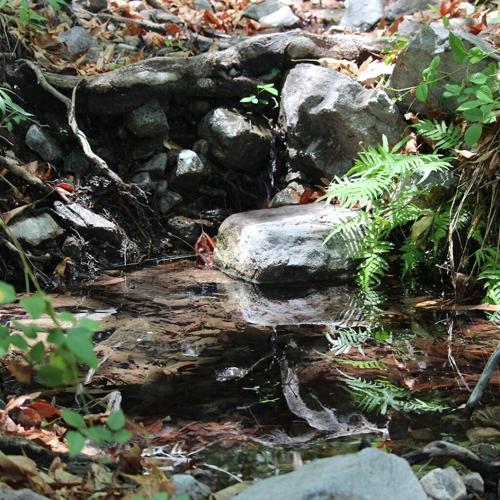
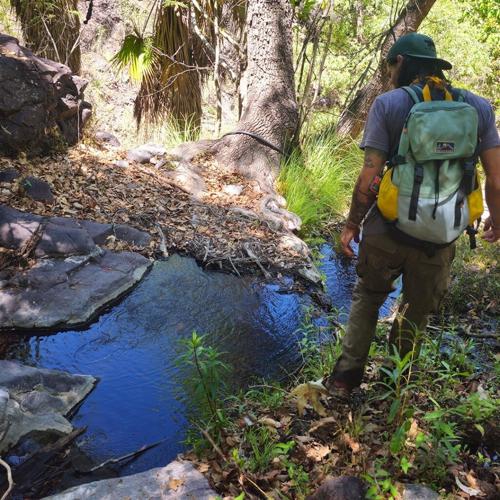
Part of our vision is to have clean, available water for everyone and for future generations living in the region, which is why we continue strengthening Spring Seeker, our community science project dedicated to locating, documenting, and monitoring the estimated 8,000 springs in the Sky Islands. For the past two years, our main summer focus has been documenting springs in the Bavispe Flora and Fauna Protection Area, one of the priority conservation areas in the region. While our efforts had previously concentrated mainly on the Sierra Los Ajos, one of the sections of the APFF Bavispe near Cananea, Sonora, this summer marks the start of a new stage in building, step by step, an inventory of the other springs found within this important natural protected area, documenting their location, characteristics, and conservation status.
People are also reading…
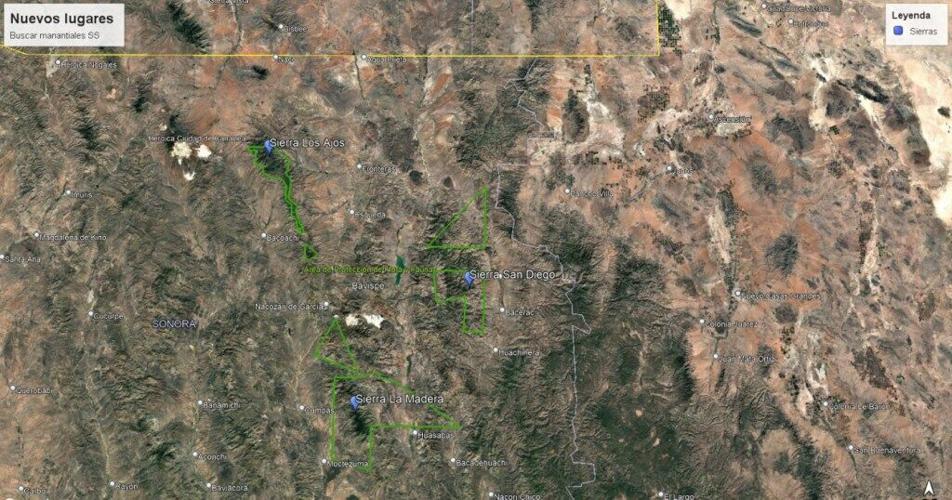
This summer, we’re fortunate to visit other sections of APFF Bavispe, going up for the first time into the Sierra La Madera (near Moctezuma) and the Sierra San Diego (near Bavispe). We’ll also have the chance to return to the Sierra Los Ajos and continue searching for springs in new areas. Having basic information about the location and condition of springs in these places will help us better understand the situation, allowing us to identify potential threats to their long-term survival and to design conservation and restoration strategies.
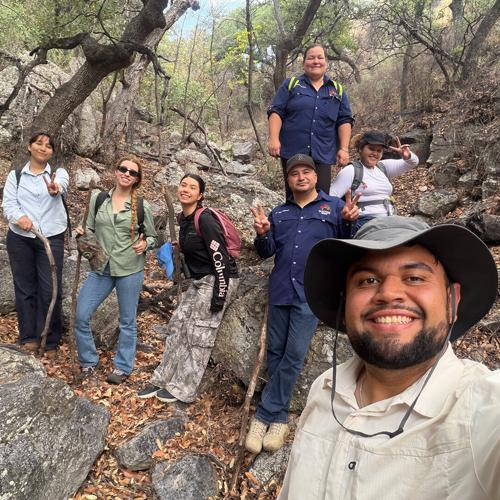
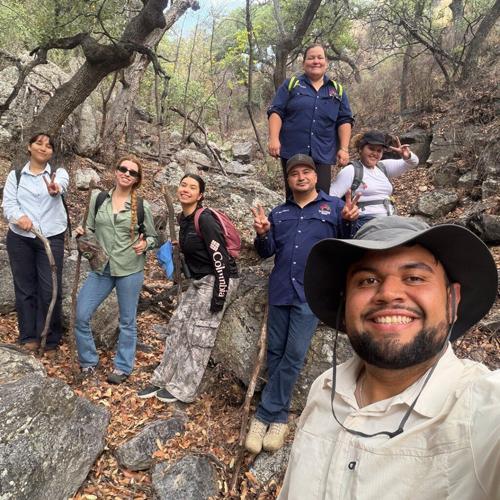
This effort would not be possible without working together with staff from the National Commission of Natural Protected Areas (CONANP), the APFF Bavispe team, members of the PROREST program, students from the Universidad de Sonora completing their professional internships with Sky Island Alliance, students from the Universidad de la Sierra who actively participate in our field expeditions, and our volunteers.
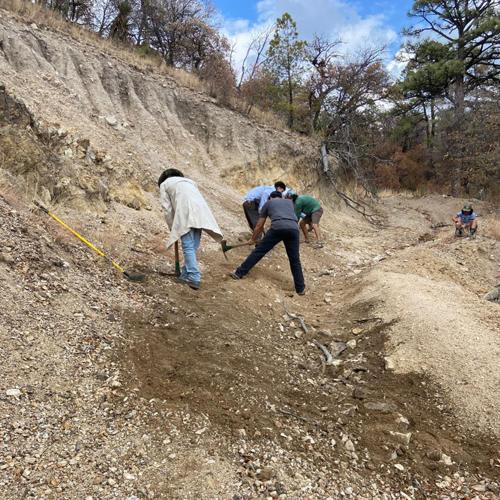
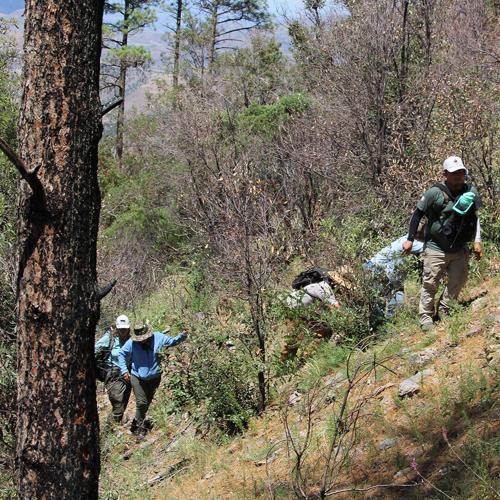
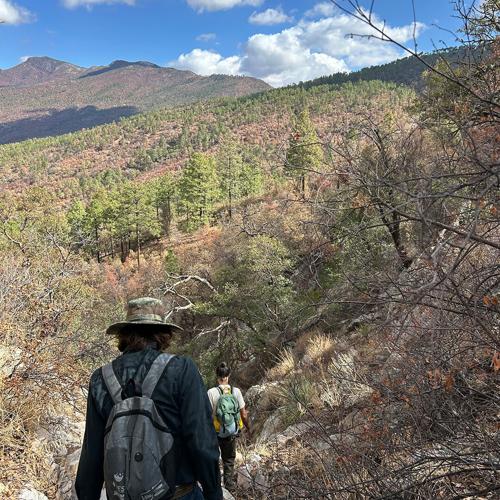
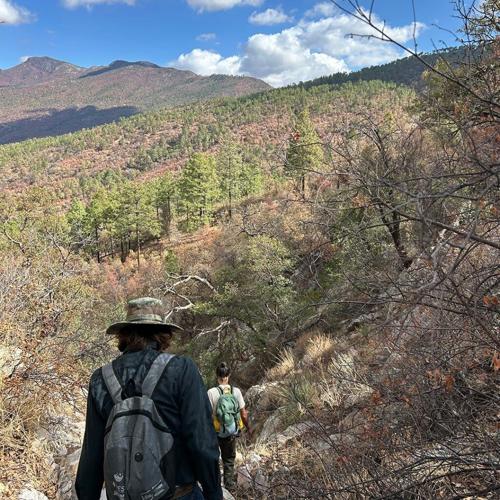
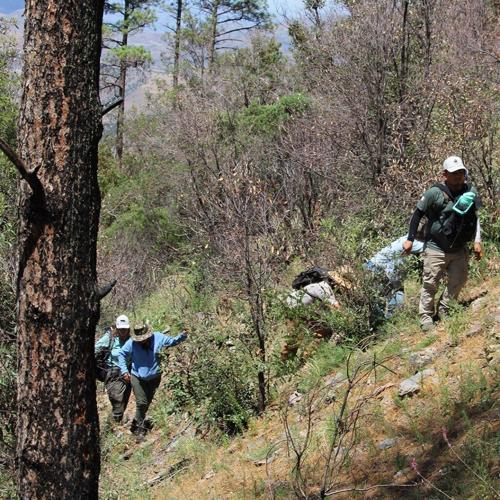
We are very grateful, since this project represents a true challenge. At Sky Island Alliance, we believe that protecting the Sky Islands begins with knowing them, and in most cases it is very difficult to obtain permits to enter these areas, travel roads that can be in poor condition, and hike long distances across mountainous terrain — carrying backpacks loaded with water and pushing forward through places where, more often than not, no trails exist and where access depends solely on the physical effort, teamwork, experience, and determination of those involved.


