

WASHINGTON — A former Department of Justice attorney said the Trump administration's probes of U.S. universities over accusations of antisemitism lacked evidence and had predetermined outcomes.
A Trump administration task force’s investigations into alleged antisemitism were "marked by extraordinary procedural irregularities, predetermined outcomes without factual or legal support, and disregard" for specific legal requirements and free speech rights, lawyers for Haley Van Erem, a former career attorney in the DOJ's civil rights division, said in a complaint.
On Tuesday, Democratic U.S. Rep. Jamie Raskin made public the whistleblower complaint that was sent to the House of Representatives Judiciary Committee.
The complaint said Van Erem and others suggested to also open probes into allegations of anti-Muslim bias on university campuses but those proposals "were not pursued by leadership."
People are also reading…
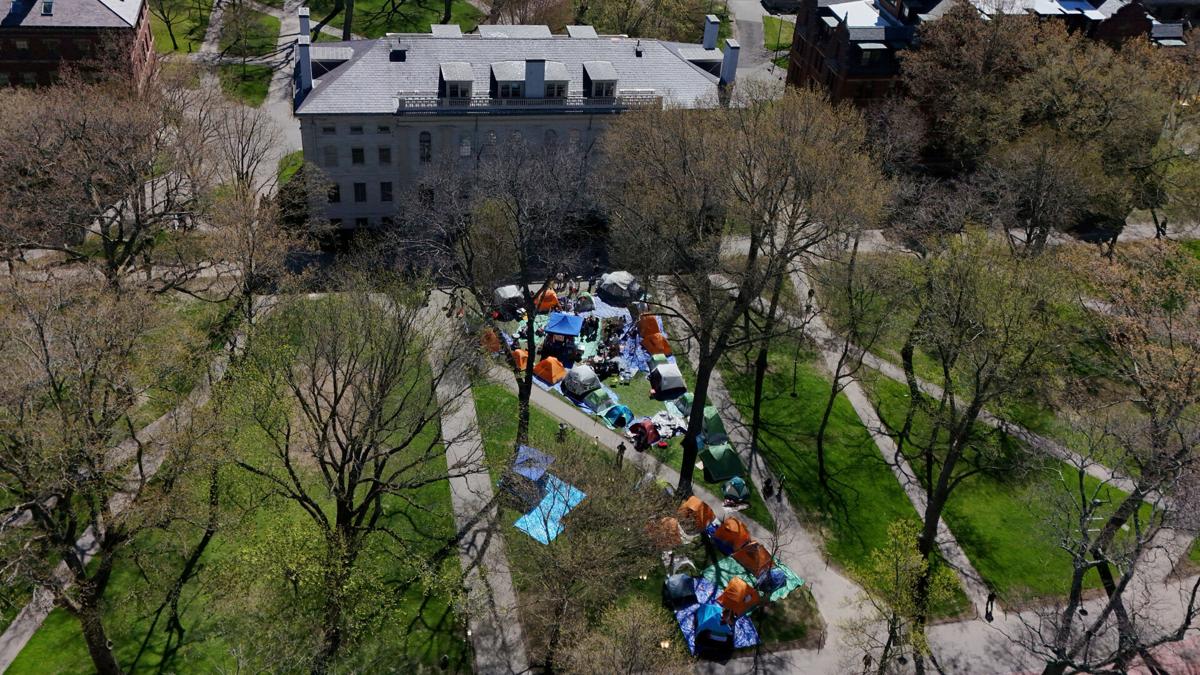
Republican President Donald Trump targeted universities with probes and federal funding suspension threats over pro-Palestinian protests against U.S. ally Israel's assault on Gaza. The Trump administration alleges the protesters were antisemitic and supported extremism.
Protesters, including some Jewish groups, say opposing Israel's occupation of Palestinian territories and its assault on Gaza is not antisemitic and advocacy for Palestinian rights should not be equated with supporting extremism.
"While at the DOJ, Ms. Haley Van Erem did not work on university investigations. And for all matters, the department stands behind the integrity of these investigations," a DOJ spokesperson said.
Senior DOJ and Department of Health and Human Services officials "departed from longstanding investigative practices designed to ensure due process, accuracy and legal compliance," the complaint said.
"For at least some of the investigations, there was little to no factual predicate justifying opening them. When they (Van Erem and others) asked questions, raised legal concerns, or sought to document their objections, they were sometimes admonished and their concerns were often disregarded," it added.
The complaint said some DOJ assignees felt the mandate to conduct interviews with some Middle East studies professors "seemed like an attempt to intimidate those professors and was rooted in Islamophobic assumptions that Middle East Studies professors would harbor antisemitic viewpoints rather than any actual evidence of complaints about antisemitism."
The government also targeted universities over diversity initiatives, transgender policies and climate programs. Rights advocates raised due process, free speech and academic freedom concerns.
Columbia University agreed to pay more than $200 million to the U.S. government to resolve federal probes and restore most of its federal funding last year. Brown University said it would pay $50 million to support local workforce development when it reached a settlement with the government last year.
Both institutions, who said they oppose all forms of discrimination, accepted certain government demands.
Harvard University has yet to make a deal. It previously cast Trump administration probes as "retaliatory actions against Harvard for its refusal to surrender our independence and constitutional rights."


