

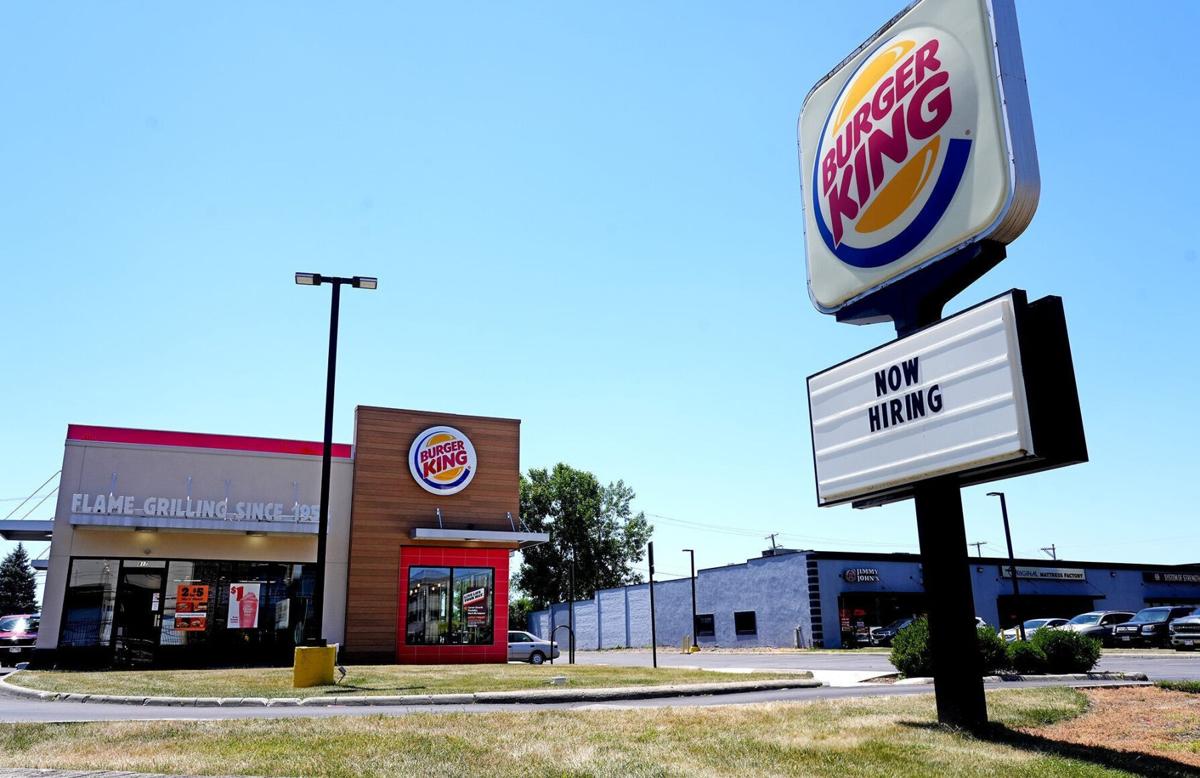
U.S. employers shed 23,000 jobs in July, the Bureau of Labor Statistics said Aug. 7, a figure far below analysts' expectations, and downward revisions to job growth numbers for May and June reflect a weaker labor market than had been estimated.
The July job losses come after hiring slowed in June following an earlier rebound from historically weak job creation in 2025. The July estimate comes in below the department’s now-revised estimated gains of 20,000 jobs in June and 63,000 in May.
The unemployment rate ticked down to 4.1% in July. After three months of holding steady at 4.3%, it dropped to 4.2% in June, though some experts attributed that dip to a decline in the number of people looking for work, rather than a significant rise in those getting hired. The labor force participation rate fell to 61.4% in July, the lowest reading since February 2021 and slightly down from 61.5% in June.
People are also reading…
"With job opportunities remaining scarce, more workers are exiting the labor market entirely," ZipRecruiter labor economist Nicole Bachaud said in a note to USA TODAY.
Average hourly earnings for employees on private, nonfarm payrolls rose by 2 cents to $37.62 in July, the labor statistics bureau said. Over the past 12 months, they have increased 3.2%, falling short of the 3.5% year-over-year increase in consumer prices recorded in June. The bureau’s Consumer Price Index report due Aug. 12 will reveal whether employees’ paychecks kept up with inflation in July.
July marked the first time since February this year the U.S. economy shed jobs.
July also marked the first time in 2026 the unemployment rate fell to 4.1%.
Which sectors lost jobs? Which are still hiring?
Health care, typically a reliable engine of job growth, was the only industry to post notable gains in July, adding 22,000 roles. Though that figure still represents growth, it's lower than the sector's average monthly gain of 36,000 over the past 12 months.
Outside of health care, "hiring has very little momentum," said Kory Kantenga, LinkedIn’s head of economics for the Americas. "This is not a labor market that's reaccelerating despite speculation to the contrary earlier this year."
Employment in local government education fell by 50,000 in July after showing little net change over the past year, the labor statistics bureau said. Retail trade shed 19,000 jobs and the financial activities sector lost 14,000.
Employment was little changed from June to July in other industries, including social assistance, construction, manufacturing, professional and business services, and leisure and hospitality.
Though the bureau's jobs report is generally considered the gold standard for labor market data, ADP’s National Employment Report released Aug. 5 also offers a look into private-sector hiring trends. It tells a different story, suggesting private U.S. employers added 44,000 jobs in July, driven by 36,000 roles added in the education and health services sector.
The ADP report found hiring increased in several other industries, including financial activities, professional and business services, information, construction and manufacturing. It found hiring declined in leisure and hospitality, trade, transportation and utilities, and natural resources and mining.
How is the U.S. job market overall?
The “low-hire, low-fire" dynamic economists said defined the U.S. labor market in 2025 may be back, if it ever went away.
Labor Department data released Aug. 4 showed the quits rate, number of layoffs and job openings were little changed in June from the month before.
Such a dynamic has led to a competitive market for job seekers. LinkedIn data revealed that the number of applications per job seeker on the platform rose in July, suggesting many are still finding it difficult to land work.
“It’s not just that new grads are hitting the market. That happens every year,” Kantenga said. “We haven’t seen as many jobs available for each person looking. That’s been declining since peak 2022. It’s been relatively steady over the past year, but it hasn’t increased either.”
Meanwhile, employed workers still fear layoffs and feel downbeat. Glassdoor’s Employee Confidence Index, which offers a glimpse at where employees feel their company is headed, fell to a record low in July. The percentage of employees who reported “a positive six-month business outlook” sunk to 43.5%.
Daniel Zhao, Glassdoor’s chief economist, said that while the survey question specifically asks about business outlooks, he knows employees consider several factors when answering. In a sluggish labor market, he said, even employed workers can worry about their ability to land their next gig, promotion or raise.
“Clearly, employees don’t feel like the current job market is working for them,” Zhao said, adding that just because someone is already employed, “that doesn’t mean that they are getting career opportunities they want.”
Where is the U.S. job market headed?
U.S.-based employers announced 33,429 job cuts in July, down 27% from June and the lowest monthly total in two years, a Challenger, Gray & Christmas report revealed Aug. 6. It found announced layoff plans are down 41% this year compared with the first seven months of 2025.
For the fifth straight month, artificial intelligence led all reasons companies cited for job cuts. Most were seen in the technology and transportation sectors in July.
On the other hand, employers announced plans to hire 16,095 people in July, up 47% from June and the highest total since 2022, the report said. So far this year, hiring plans are up 25% compared with the same period in 2025.
“Employers are hiring more than they were at this point last year, which bucks the trend we’ve seen since 2020,” Andy Challenger, the firm’s workplace expert and chief revenue officer, said in a statement released alongside the report. “The demand is showing up in aerospace, energy, and manufacturing, work that happens on a floor rather than a screen.”
What does this mean for the Fed and interest rates?
This report is one of many Federal Reserve policymakers will review ahead of their next rate decision in September. By then, policymakers will have the August jobs report to look back on as well as inflation data for July and August.
“In terms of jobs, we would tentatively suggest a rebound is possible for August, but the Fed’s decision is more likely to come down to what happens on inflation,” James Knightley, chief international economist at Dutch bank ING, said in a note to USA TODAY.
The Fed typically raises its benchmark for interest rates to help tame inflation and lowers it when it's concerned about slowing in the labor market.
"The worst combination for the Fed is if inflation remains sticky, while the labor market weakens," Diane Swonk, KPMG Economics' chief economist and managing director, said in a separate note after the July jobs report's release.
Fed watchers have found the September decision difficult to predict after Federal Reserve Chair Kevin Warsh suggested markets were doing some of the Fed's inflation-fighting work for it.
Before the July jobs reports release, traders were nearly evenly split on the Fed’s next move, with about half betting on a quarter-point hike and half predicting policymakers would continue to hold the federal funds rate at a range of 3.5% to 3.75%. After its release, more are anticipating a pause, according to CME FedWatch.


