


Big picture is not as bright
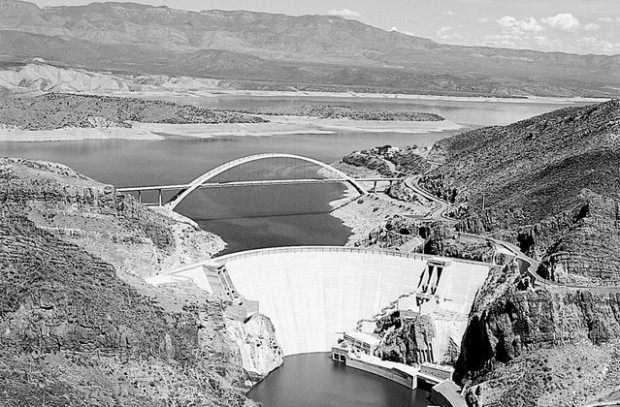
● While things are rosy at Roosevelt Lake, reservoirs on the Colorado River are still hurting, and Arizona's wet winter has turned into a dry spring.
Tucson rainfall
● March rainfall at Tucson International Airport was less than half the 30-year average of 0.81 inches. The 2.99 inches recorded since Jan. 1 has put the city's official measuring station slightly above normal for the year, but since Oct. 1, Tucson's rainfall is 0.83 inches below average.
Southwest rainfall
● Overall, the Southwest had its wettest September to February in 110 years of recordkeeping, according to federal weather officials. But with the El Niño pattern fading in the Pacific, the Climate Prediction Center says the odds no longer favor wetter-than-normal conditions here.
People are also reading…
Lake Powell
● Lake Powell is just 33 percent full. With spring runoff projected at 101 percent of normal, the U.S. Bureau of Reclamation doesn't expect much recovery in the coming months.
● "We've been the benefactor of a great year, but the overall situation hasn't really changed that much," said Charlie Ester, manager of water resource operations at the Salt River Project. "You have to operate and manage the reservoirs as if this is the start of the next drought."
● Roosevelt and other lakes within Arizona have rebounded so much faster than Powell because the watersheds that feed them have been exceptionally wet, and the reservoirs are so much smaller. Powell, which stores water that's pumped from Lake Havasu to Phoenix and Tucson via the Central Arizona Project, can hold more than 8 trillion gallons - 15 times as much as Roosevelt can.


