This week, President Obama plans a historic trip to Cuba, where he will meet with Cuban President Raúl Castro as well as with entrepreneurs and other residents from various walks of life.
Obama will be the first sitting U.S. president to visit the island in 88 years. Over the last year, he has worked to loosen restrictions on travel and commerce and has removed Cuba from a list of nations that support terrorism. Both governments have reopened embassies in Washington and Havana.
The Arizona Daily Star spoke with local Cubans about what all this change — including Obama’s visit — means to them:
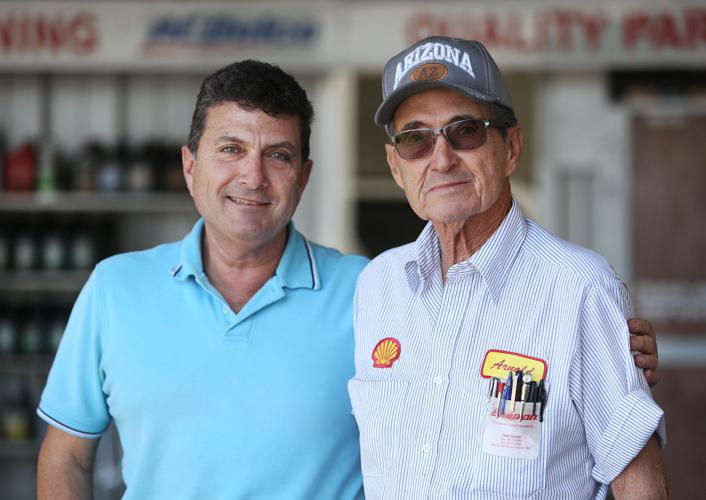
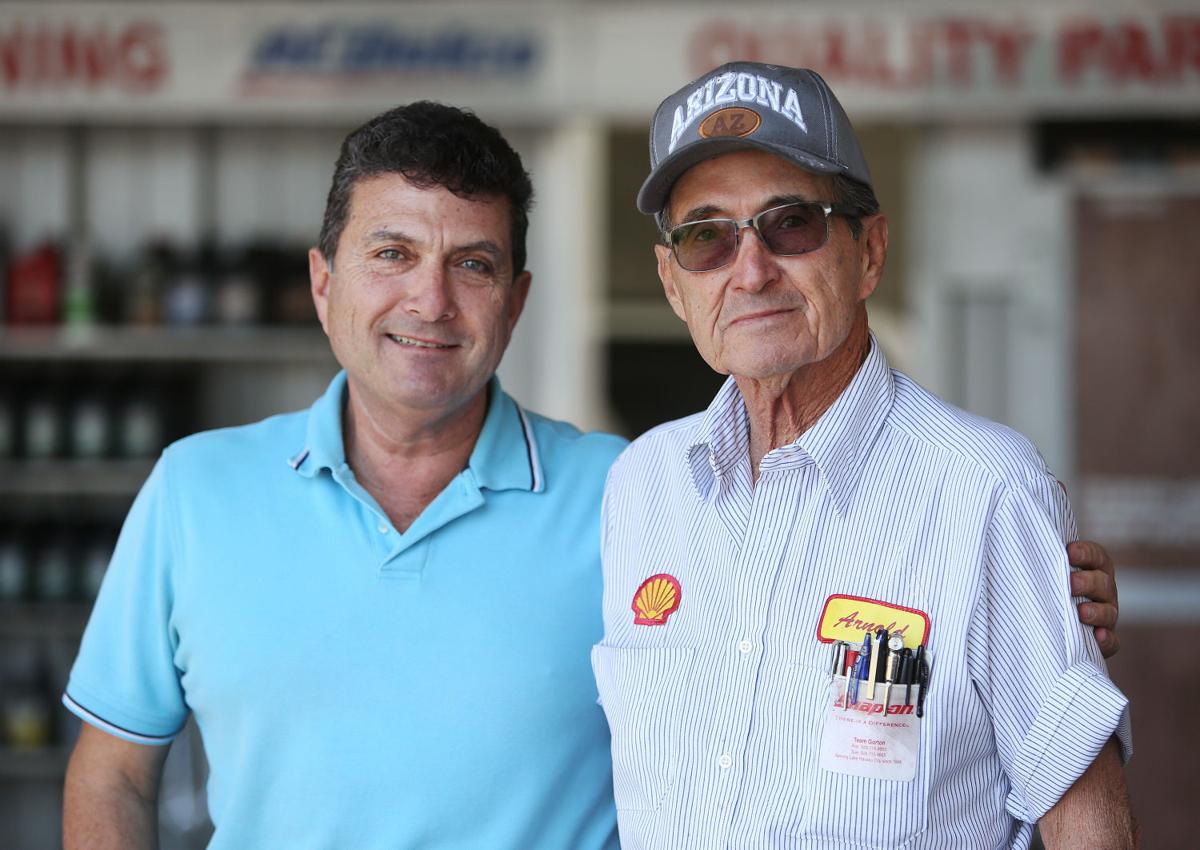
Arnaldo “Arnold” Mendez Sr.
Age: 80
Profession: Owner of A&M Shell gas and service station
People are also reading…
Migration from Cuba: Mendez was imprisoned for 29 days in Cuba after the failed American-sponsored Bay of Pigs invasion by Cuban exiles in 1961. The following year, the family fled Cuba with help from the Methodist Church. They spent a month in Miami and arrived in Tucson on Aug. 21, 1962. He hasn’t been back and doesn’t plan to go now, he said. “I saw people being executed, innocent people. I still remember, and that’s why I’m very strong in that.”
On Obama’s efforts to normalize relations: “Maybe I know his intention is to try to minimize the friction between both countries for so many years, but with communists you can’t make deals,” he said. “They are always looking for one side, their side. While Cuba is getting a lot of things from the United States, we are not getting anything from Cuba. It’s just like the Iran deal.
“I believe freedom is the most important thing we have in life. When we can’t do with our life what we really want to do, there’s a problem,” he said. “People are happy now and I hope something happens that opens the door for the relationship, but I don’t feel that’s going to work.”
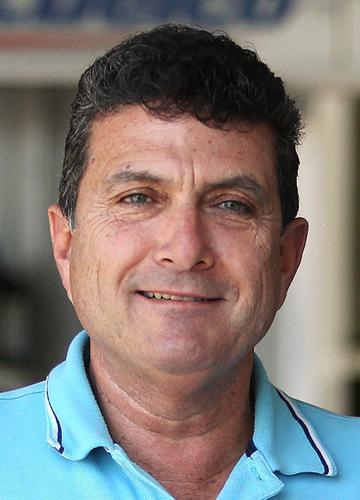
Arnaldo Mendez Jr.
Age: 56
Profession: owns A&M Shell gas and service station with his father
Migration from Cuba: Arnaldo was 2 years old when his family fled Cuba. He went back after 38 years to meet family and reconnect with his roots, and has continued to travel to the island. “It has been a wonderful experience. It takes me back to my roots — it’s good to be reminded where you come from.”
On Obama’s visit: “I was elated, but let me preface this by saying my dad’s and my perspective are different because of our points of reference. In my father’s case, he lived through the beginning of the Cuban Revolution and he worked hard to get us out of there, so his experiences were not favorable ... I was raised here, I’m a product of the U.S. I have been able to go back to Cuba multiple times and believe the Cuban Revolution is a failure, but the people are the ones who suffer.”
“So I am for easing relations, ending the embargo and moving forward. I see these first steps as favorable moves to improve relations which will be beneficial to both countries, but most importantly for the people in Cuba.”
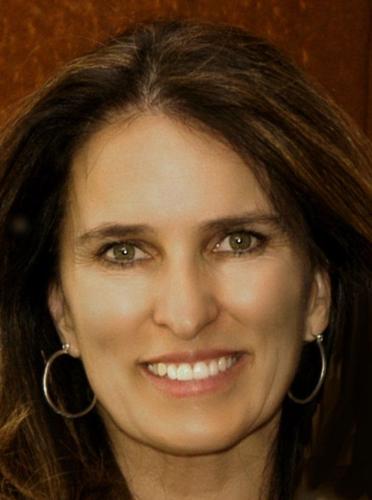
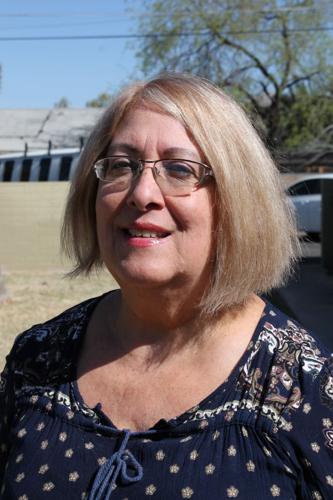
Ana Fuentevilla
Age: 55
Profession: medical doctor; chief medical officer at UnitedHealthcare Community and State
Migration from Cuba: She was 10 months old when she left Cuba in 1961. “My parents were young professionals and they were very bothered by Castro’s rhetoric and tone,” she said. She hasn’t been back since, but hopes to go with her grown children next year to meet her family and reconnect with her roots.
On modern-day Cuba: ”I’m glad to hear we are trying to resolve relations with Cuba. I don’t think Raúl (Castro) is any more trustworthy than Fidel (Castro). I have no hopes for that administration being better. But after 55 years of repression of the Cuban people, it’s time to improve life for them. Establishing relations between Cuba and the U.S. is a real positive thing.”
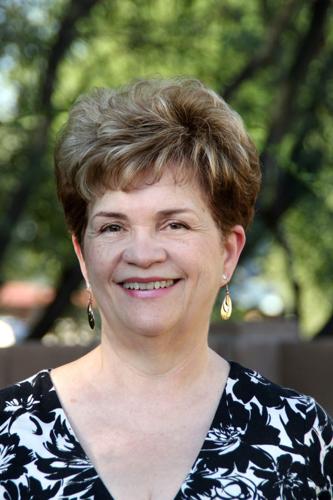
Arminda Fuentevilla
Age: 81
Profession: retired educator from TUSD and the University of Arizona
Migration from Cuba: She fled in 1961, two years after the revolution, with her husband and two young daughters, and has not been back. The family moved to Tucson in 1970 when her late husband, an accountant, was hired to teach at Pima Community College.
Her feelings about Cuba: “My reason tells me something and my emotions tell me something. I’ve spent 55 years outside of Cuba and will never be able to forgive (Fidel) Castro. What has happened in Cuba is a tragedy because we all fought against (Fulgencio) Batista and Castro promised elections and look at what happened to that poor island. What Obama is doing is validating the presidency of those individuals, the regime and what they are doing.”
But at the same time, she said, she realizes that the United States negotiates with other countries that practice communism. “My reaction is that it had to happen, it’s the way the world works. What I would like to know is what’s the rationale behind it. What is the American president thinking he’s going to accomplish in visiting Cuba? Sometimes I myself answer this question, I think he wants that to be one of his legacies.”
Eliana Rivero
Age: 75
Profession: Professor emerita in the department of Spanish and Portuguese at the University of Arizona
Migration from Cuba: Rivero was born in Cuba and immigrated to the U.S. in 1961 to study. She moved to Tucson six years later to work at the University of Arizona. She visited the island for the first time this year to take back some of her parents’ ashes. “It was very nice, but also a little bit traumatic for me.” She said seeing her old neighborhood, where she was a student, in ruins had an impact.
On her complicated feelings: Rivero agrees with this administration’s approach to re-establishing relations with Cuba because “the embargo and other things have not worked in 50 odd years.” But she has mixed feelings about President Obama’s upcoming visit to the island and will withhold judgment until she knows what he says and does during his visit.
“I hope he talks about human rights and the need for an open society and to listen to all of the voices,” she said, “but I’m not sure that this will happen.”
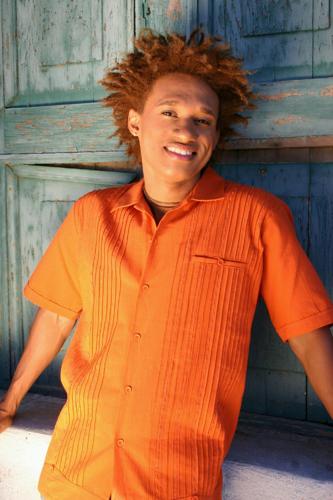
Liudvik Cutiño Cruz
Age: 35
Profession: musician
Migration from Cuba: He left Cuba nine years ago and lived in Hermosillo, Sonora, for eight years before migrating to Tucson.
On freedom: “I’m not very involved in politics, but I’m glad — I think this is something very positive for both Cuba and the United States,” he said. “I think it’s good for people to have a liberty to choose, and so people can decide what they want to do without harming others.”
Morbila Fernández
Age: 65
Profession: Spanish lecturer at the University of Arizona
Migration from Cuba: She left Cuba in 1996 to get a master’s degree in New Mexico and later moved to Tucson to get her doctorate. Since she left, she has traveled to Cuba to visit family.
On improving relations: “My initial reaction is one of happiness. After 55 years of the separation between two countries, it’s time for an opening. I think something positive for both countries will come out of re-establishing relations — even if it’s not immediate, but more as a process that’s going to take it’s time.
“There’s no point in keeping unyielding positions. The U.S. embargo has impacted Cuba greatly, but the economic situation is also impacted by the control and planning methods led by the Cuban government.”

Dr. Ana Fuentevilla
Arminda Fuentevilla

Eliana Rivero

Liudvik Cutiño Cruz

Morbila Fernández

Arnaldo
Mendez Sr.

Arnaldo
Mendez Jr.
Contact reporter Perla Trevizo at ptrevizo@tucson.com or 573-4213. On Twitter: @Perla_Trevizo

 Former Sam Levitz building sells for $8.6 million