The following is the opinion and analysis of the writers:

Miranda Schubert

Rodrigo Dorador
Arizona families need homes they can afford. Builders need reliable crews to construct them. Cities need a stable tax base to maintain streets, support public safety and provide basic services. Mass deportation threatens all three — adding costs to a state and the working families in it who are already struggling with the cost of living.
Our perspectives span state government, city budgets, economic research and affordable housing development. Across those fields, we see the same problem: Federal immigration enforcement is disrupting the workers, households and businesses that keep Arizona functioning.
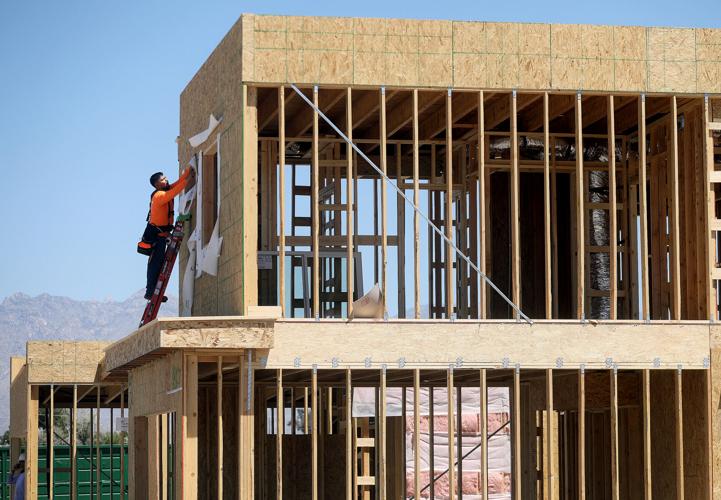
The housing industry makes those connections especially clear. Immigrants hold roughly one in four construction jobs in Arizona. They help build the apartments, houses and neighborhoods our growing state needs. Removing experienced workers, or creating conditions that make them afraid to report to work, reduces our capacity to build.
People are also reading…
For developers, that disruption appears in construction schedules and project budgets. When a subcontractor loses crew members, work slows. Every additional month means more interest on construction loans and additional expenses to keep the project moving. Contractors competing for fewer available workers face further cost pressures.
Affordable housing developments are particularly vulnerable because their financing leaves little room for unexpected expenses. A project that once worked financially can become impossible to complete. The consequences fall on families waiting for housing that arrives late, costs more or never gets built. All over the state, Arizona families are telling us this is impacting their day-to-day lives in a real way.
The potential statewide effects are substantial. The nonpartisan Economic Policy Institute estimates that a large-scale, multi-year deportation scenario could cost Arizona approximately 60,000 construction jobs, or 22% of its construction workforce. And we’re not alone: May research from the Brookings Institution estimates that increased Immigration and Customs Enforcement arrests in 2025 were associated with approximately 668,000 lost jobs across 86 metro areas . You can see the cost to your community at the EPI’s “Cost of Deportation Calculator.”
We’ve heard the misleading argument that deportation will free up housing by reducing demand. That argument overlooks what happens to supply. Removing people who build homes undermines construction. Uncertainty about whether residents can remain in their communities can also discourage investment in future developments. Arizona needs a stronger housing pipeline to address its shortage. We’ve heard the argument that “real Americans” should take those jobs. We know that’s simply not happening.
Families bear costs long before a development stalls. When a household loses a breadwinner, rent and mortgage payments become harder to meet. Even the fear of enforcement can mean missed work and lost wages. Across Arizona, we’ve heard time and time again that children whose households have lost their father or mother have had to leave or deprioritize their schooling to take on jobs to help keep the family housed.
Those losses spread outward. Landlords lose rent, businesses lose customers, and cities lose revenue. Local governments must then respond to greater housing instability with fewer resources available for prevention, emergency assistance and other services.
Tucson illustrates the fiscal challenge facing cities. Its general fund depends heavily on sales tax revenue. When families cut spending and neighborhood businesses struggle, funding for streets, parks, transit and other services comes under pressure. Cities elsewhere in Arizona must likewise weigh how disrupted employment and commerce affect their own budgets.

Immigrants hold roughly one in four Arizona construction jobs. Removing those workers could make the state's housing shortage even harder to solve.
Meanwhile, enormous federal expenditures on deportation compete with other national priorities. The Economic Policy Institute’s calculator estimates nearly $269 billion in spending over its modeled period. Communities painstakingly assemble funding for affordable housing while federal policy threatens the workforce needed to deliver it.
Congress should create workable pathways to lawful status and citizenship, including for essential workers and Dreamers. Business leaders should speak openly about workforce disruptions. State and local officials should demand economic assessments that account for construction delays, lost revenue and family instability.
Arizona cannot solve the affordability crisis while undermining the people who build our homes, open and use our businesses, and sustain our neighborhoods. Families and cities deserve policies that help them afford a stable future.
Follow these steps to easily submit a letter to the editor or guest opinion to the Arizona Daily Star.
Miranda Schubert is the Tucson Councilmember for Ward 6 and Rodrigo Dorador is an Arizona-based affordable housing developer.