

The following is the opinion and analysis of the writer:
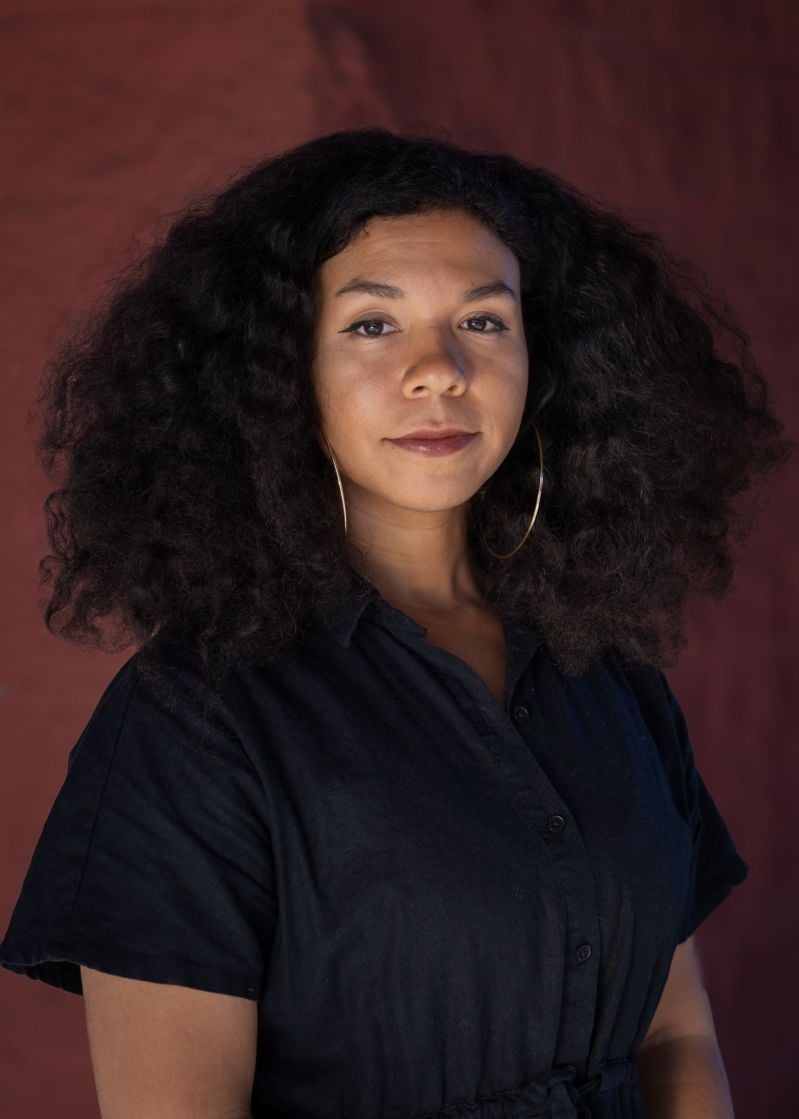
Sadie Shaw
On April 30, I had the honor of participating in Driving the Vote for Equality at the YWCA, commemorating the journey taken by Alice Burke and Nell Richardson 110 years ago as they traveled across the country demanding women’s right to vote.
Their trip was historic for more than one reason. It is widely considered the first cross-country solo road trip by women, and it sent a clear message that women were capable of determining their own futures. Their advocacy helped lead to the ratification of the Nineteenth Amendment. But we know that this victory was incomplete.
When asked to speak at this event, I paused and wondered if their journey was really something I could celebrate wholeheartedly because for many women, particularly Black women in the South, the right to vote remained out of reach for decades.
People are also reading…
As I contemplated my participation, I researched women's suffrage. I learned that in 1913, the journalist and activist Ida B. Wells, who often wrote about women’s voting rights and racial justice, attended the suffrage parade in Washington, D.C., only to be asked by White organizers to march in the segregated section toward the back. She refused and took her rightful place alongside the Illinois delegation.
As I read more, I came upon the work of Fannie Lou Hamer, who, in 1962, learned that she could register to vote in Mississippi but first had to pass a literacy test and pay a poll tax. After these hurdles were met, she and others would still have to face violence and intimidation simply for exercising their constitutional right. Hamer may have been sick and tired of the conditions of Mississippi, but she turned that frustration into action, becoming a political activist who helped thousands of Black Americans register to vote across the South.
The courage of women like Wells, Hamer, and so many others helped secure the passage of the Voting Rights Act of 1965, which ultimately opened doors for women like Herschella Horton, Gloria Copeland and me to run for office and win. They are my heroes.
Today, we are watching those hard-fought victories erode in real time. Look at Louisiana, where Black voters are once again fighting for fair representation as congressional maps dilute their political power.
My father, Otis Shaw Jr., born in 1946 in Memphis, Tennessee, lost his right to vote, and I’m really not sure if my grandmother Essie or grandfather Otis ever registered to vote when they lived in the South or later in Tucson. My cousin Antonio, who was born here, told me that they moved to Tucson so that their children wouldn’t have to be called the N-word, but I’m sure they found that racism is everywhere in America in big- or small-dose forms. Antonio went back to the South once, and when he made it home, he warned me to never go there. I’m thankful for my grandparents' decision.
I don’t often get asked to speak at events. Perhaps it's because when I’m not shy, I’m being contrary. But as the only Black woman elected in Pima County, I felt it was my duty to speak. I wondered what my ancestors would think, given all that they endured and all the ways my living is easy. And so I accepted the invitation. We dishonor the sacrifices of those who came before us if we become complacent, apathetic or let fear dictate our actions.
The Driving the Vote for Equality tour is still happening now, and they are raising awareness not only for voting rights but for the Equal Rights Amendment, which, surprisingly, is still not part of our Constitution. The biggest threat to our democracy isn’t just what’s happening in Washington, D.C. It’s misinformation, apathy and the failure to exercise the rights that were hard won by those who came before us.
So whoever your hero may be, continue their work, advocate for an issue and stand up for the rights that we have won or have yet to win. And do it now.
Follow these steps to easily submit a letter to the editor or guest opinion to the Arizona Daily Star.
Sadie Shaw is a TUSD Governing Board Member and the Vice-President of the Sugar Hill Neighborhood Association.
