

The following is the opinion and analysis of the writer:
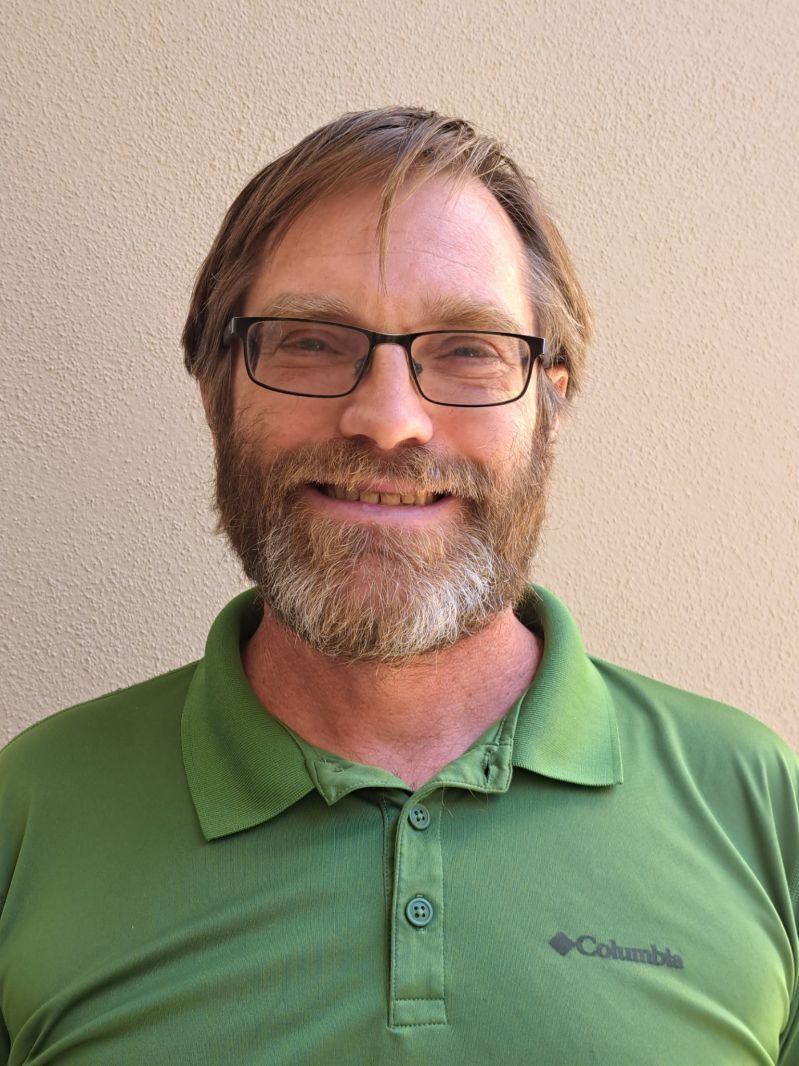
Gary Swing
Recent publicity concerning Republican stealth candidates Risa Lombardo for Governor and Duwayne Collier for Secretary of State petitioning onto the Arizona Green Party's primary ballot underscores the need for ballot access reform and sincere voting methods.
Single-vote ballots in single-member plurality elections create an incentive for insincere candidates to game the system. Stealth or “sham” candidates petition onto the primary ballot of an alternative party whose values they don't represent in an unethical attempt to “spoil” an election for a major party candidate.
This is a byproduct of a bad election system that could easily be remedied by adopting sincere, multiple-choice voting methods such as instant runoff, ranked-choice voting, approval voting, or range voting for single-winner executive offices and proportional representation for legislative offices.
People are also reading…
Additionally, allowing smaller political parties to nominate their candidates by party assembly rather than by individual candidate petitions — as in 17 other states — would limit opportunities for flagrant interference by major party operatives in minor party candidate nominations.
The United States has a deeply entrenched two-party system because we use archaic voting methods that are designed to exclude political minorities from representation in government.
Ninety-five countries use proportional representation to elect members of their national legislatures in proportion to the share of the vote cast for each party. Nearly all voters are able to elect representatives of their choice. Under such systems, very few votes are “wasted” — not used to elect representatives.
Arizona should use proportional representation to elect a unicameral state legislature and the state’s US Representative delegation.
For executive offices, sincere multiple-choice voting methods would eliminate the perceived issue of “splitting the vote” between candidates who appeal to similar constituencies.
The United States has some of the world's most restrictive ballot access laws. Arizona's system is among the worst of the worst.
I suggest using ballot access reform enacted in Colorado 30 years ago as a rough model. Let minor political parties nominate candidates by state assembly if they register 1,000 voters in the state, get 1% of the vote for any statewide office, or submit 5,000 signatures on a party qualification petition.
Any candidate for county, state, or Congressional office who gets 30% of the vote at a party assembly qualifies for the primary ballot. Presidential nominees of recognized parties get automatic general election ballot access.
Alternatively, minor-party candidates for Arizona offices could bypass the assembly process and pay a small filing fee or petition onto the primary.
I suggest a $50 filing fee or 50 signatures for county office or the Legislature. $100 filing fee or 100 petition signatures for US Representative. $500 filing fee or 500 signatures for statewide office. These figures could also apply to unaffiliated candidates.
Unaffiliated presidential candidates could qualify for the general election ballot by paying a $1,000 filing fee or submitting 1,000 petition signatures with a slate of electors.
This type of ballot access reform in conjunction with sincere, inclusive, multiple-choice voting methods would give everyone meaningful, effective choices in competitive elections with fair representation in government.
Follow these steps to easily submit a letter to the editor or guest opinion to the Arizona Daily Star.
Gary Swing is a Green Party write-in candidate for US Representative in CD6.
