Kirsten Lane
As high school seniors gear up for the hustle and grind of the college admissions process, the experience can be different for students in rural and urban area.
When I was accepted to Vanderbilt University in 2023, administrators in my rural Centerville, Tennessee, high school were shocked: A girl from our district had not been admitted in over 25 years.
The quaint town has only one high school, but it borders one of the nation’s wealthiest counties, Williamson County. Centerville, where I grew up, is just a little less than an hour southwest of Nashville, where Vanderbilt, one of the Top 10 schools in the country, is located.

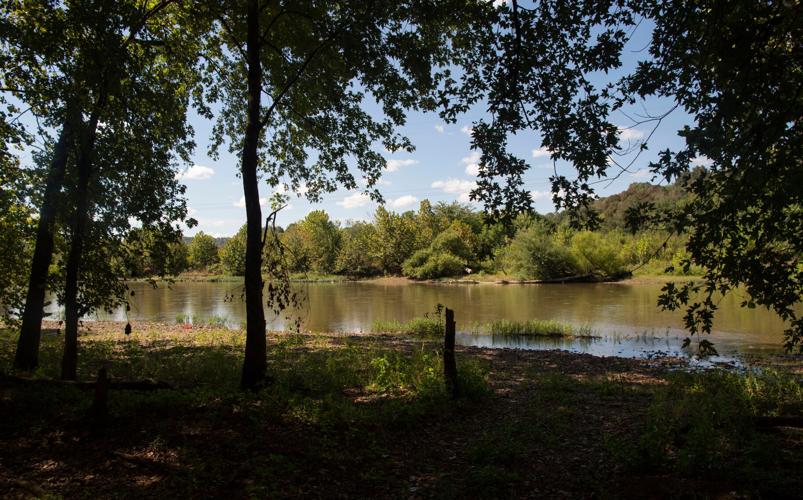
The Duck River flows through rural Centerville, Tennessee, where students lack the resources of their suburban and urban peers.
Shock should not be the default reaction when a student from a rural school succeeds.
While Centerville is in close proximity to Vanderbilt, the opportunities offered to students don’t stack up to those in better-resourced places. It's not ambition that is holding them back.
People are also reading…
Rural schools are often treated as a breeding ground for blue-collar workers. I have immense respect for those in the workforce, but I find it unfair that students like those in my high school are pressured into a path that feels chosen for them on the mere basis that they were raised in a rural county.
This starts with a lack of access to college readiness and test prep programs. For example, most of my peers at Vanderbilt took in-person advanced placement courses while they were in high school to prepare for the rigor of an academically challenging university. But my high school didn’t offer them.
The state of Tennessee incentivized my district to receive $5,000 per student enrolled in career technical education. This allocation applies to every district in the state, but that money goes much further for a rural school with little local revenue and other funding sources to lean on, leading schools to prioritize these programs over college readiness opportunities.
Nothing is wrong with preparing for the workforce. Many find it empowering that technical programs allow rural students to start working after graduation. The problem is that the intense push of workforce readiness onto rural students hinders their ability to succeed in paths outside the “realistic” option of blue-collar work.
Without a prestigious high school to rely on throughout the college admissions process, I felt pressure as a rural student to prove myself to admissions officers. Reduced access to resources leads to assumptions about our abilities that we have to work to break away from in college applications. But even rural students who do manage to prove themselves to elite university admissions officers still face hurdles.
Rural students may not have been exposed to what French theorist Pierre Bourdieu calls cultural capital, non-financial assets like personal knowledge, skills and tastes that influence social mobility. A student from an elite high school may learn the importance of leadership, critical thinking and networking. Meanwhile, an underfunded high school like mine often teaches a curriculum focused on following step-by-step instructions and order.
This means that my peers and I were prepped for the workforce before we ever realized it.
Investing in rural schools is essential to achieving a world where opportunities are accessible for everyone. Rural schools in Tennessee have one of the lowest levels of spending in the U.S. Proper funding should be equally distributed across states and allocated for college readiness programs, such as AP and International Baccalaureate classes.
Students need resources and funding to get to respectable trade schools, local state universities and community colleges. But someone who dreams of something different also deserves to have a chance at fulfilling their dream.
The selection and expertise of rural high school counselors also needs improvement. Many school counselors are stretched thin, and it is important they get proper training to help students through the college application process. Faculty should lift students up as they strive to pursue their goals rather than pressure them into being more “realistic,” something I was told many times as a high schooler.
Rural students don't differ much from students from suburban or urban schools. The true difference lies in their schools’ lack of funding and resources, and thus the opportunities they might have access to. If we work to close these gaps, then one day it might not seem so shocking when a girl from a small town gets into her dream school.
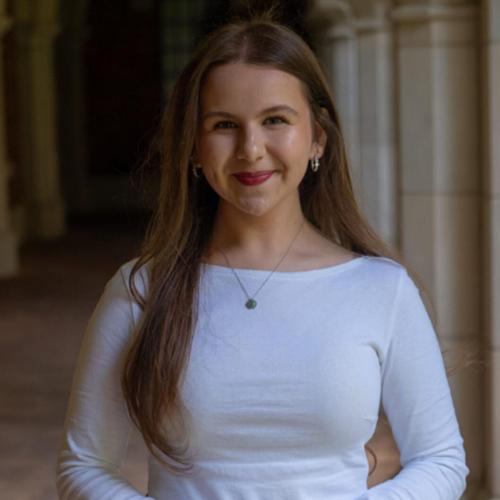
Lane is a junior at Vanderbilt University. She wrote this for the Nashville Tennessean and USA TODAY Network via Reuters Connect.