2015 Southwest Books of the Year
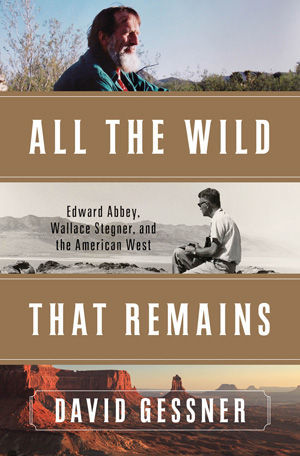
All the Wild That Remains: Edward Abbey, Wallace Stegner, and the American West, by David Gessner (W. W. Norton)
David Gessner brings alive writers Edward Abbey and Wallace Stegner in this personal, literary, road trip meditation on the state of the American West.
"All the Wild That Remains" visits locations that influenced the work of Stegner and Abbey and revisits places that are featured in Gessner’s own personal "rebirth" in the West. It’s essay-like, with Gessner introducing Stegner and Abbey and continuing his examination of them as he travels. Pulitzer Prize- and National Book Awarded- novelist Wallace Stegner was the West-raised, stability-seeking son of a restless wanderer. In contrast, Edward Abbey was the Pennsylvania-born, lustful, wild-man, a melancholic who inspired a movement of monkey wrenchers. The men didn't have much time for each other, but Gessner clearly does, and his study of them lets him apply their concerns to the continued fragility of this part of the world.
It's a full, thoughtful but engaging read, enriched but not burdened by literary threads. Think Thoreau. Think Montaigne. Remember "Hayduke Lives.”
--Christine Wald-Hopkins
Also selected by Bill Broyles, Bruce Dinges, Vicki Ann Duraine, and Helene Woodhams
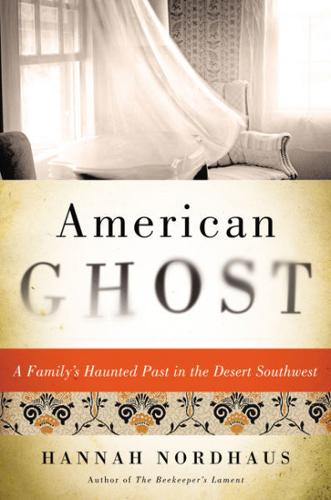
American Ghost: A Family’s Haunted Past in the Desert Southwest, Hannah Nordhaus (Harper)
All families have their ghosts, but few are as fascinating and worth knowing as Nordhaus’ great-great-grandmother, Julia Staab, whose spirit is rumored to haunt her former home, today’s La Posada hotel in Santa Fe. Curious about her spectral ancestor, Nordhaus sifts through diaries, newspapers, correspondence, books, oral history — and even consults psychics — to expose and understand the tragedy that plagued her family, in both the Old World and the New. The result is an engrossing story of Jewish settlement in the Southwest and a moving account of how the past haunts us all.
--Bruce Dinges
Also selected by Vicki Ann Duraine
Chasing Arizona: One Man’s Yearlong Obsession with the Grand Canyon State., by Ken Lamberton (University of Arizona Press)
In a boldly ambitious book, Ken Lamberton sets out to visit every Arizona county and Indian nation, see every state symbol, taste the state’s many ethnic foods, and see the highest peaks and deepest valleys — all in one year. His wild, fun-filled ride is a road warrior’s epic covering 21,603 miles, a trip nearly around the world but within one state. For example, while visiting the Navajo Nation in week 41, he eats authentic squash mutton stew, visits the Four Corners geographic monument, tours a zoo and botanical park in Window Rock, shops at Cameron Trading Post, and admires a bridge across the Little Colorado River gorge. Along the way Lamberton introduces us to a circus of captivating experts in everything from the OK Corral to rattlesnakes and turquoise. If you read one book about Arizona this year, make it this one.
--Bill Broyles
Also selected by Helene Woodhams
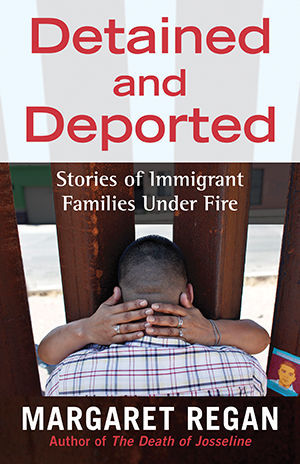
Detained and Deported: Stories of Immigrant Families Under Fire, by Margaret Regan (Beacon Press)
His face is pressed between rusting steel bars; her arms, from the other side, envelop both the bars and his shoulders and neck. The couple embracing on the dust jacket of Margaret Regan’s new border book is nothing if not emblematic of today's border situation: needing to be together; divided by the wall.
In "Detained and Deported," Regan puts faces to people caught in the recent immigrant crisis on the US-Mexico border. She profiles undocumented women and men detained in Arizona and at deportee assistance venues in Nogales, Sonora, and details their stories, focusing particularly on the experiences of families broken up by migration or arrest. Regan takes to task Border Patrol and ICE's rough treatment of detainees, and the government's policy of locking them in facilities run by the private prison industry (including the facility in Eloy, Ariz. — a town named, she writes, for the cry of despair that Jesus made on the cross: "Eloi, Eloi, why hast thou forsaken me?"). Her journalist’s voice and perspective energize and humanize this well-researched work.
--Christine Wald-Hopkins
Also selected by Helene Woodhams
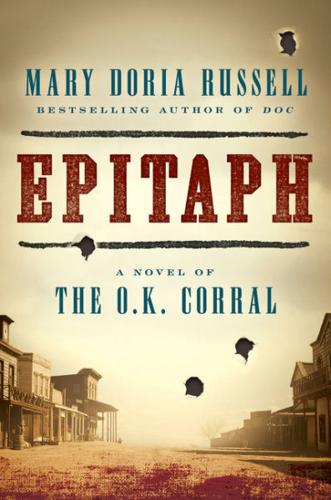
Epitaph: A Novel of the O.K. Corral, by Mary Doria Russell (Ecco)
Russell breathes new life into an often-told story in this epic retelling of the 1881 face-off between the Earp brothers, Doc Holliday, and the Clantons and McLaurys on a windswept street in Tombstone. Drawing on prodigious reading in the historical literature, she re-envisions the principal characters as actors in a Greek tragedy drawn by passion and fate to a 30-second confrontation that will haunt the remainder of their lives and spark a legend for the ages. Russell has written the novel of the OK Corral gunfight and a classic reimagining of the Old West.
--Bruce Dinges
Also selected by Vicki Ann Duraine
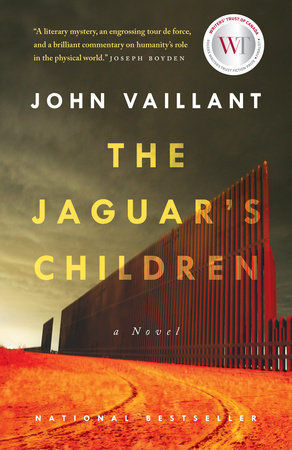
The Jaguar’s Children, by John Vaillant (Houghton Mifflin Harcourt)
You and your best friend Cesar have paid a smuggler to take you north across the dangerous Mexican border inside the empty tank of a water truck. The truck breaks down, the smugglers flee with your money, and now you’re trapped inside. What do you do? Will the smugglers return? Who do you call? Does your cell phone even work inside the steel cage? If you are Hector María de la Soledad Lázaro Gonzalez from a village in Oaxaca, Mexico, you’ll call AnniMac, your mysterious contact in the States, and go to any extreme to keep yourself and Cesar alive. The pulse-pounding plot takes many twists and turns as flashbacks and stream of consciousness leave us gasping for air. Author John Vaillant, who once lived in Oaxaca, fills this novel with cultural color and authenticity on top of a gripping and timely drama. Of the many current books about border migrants around the world, this may be the most creative and tightly-wound.
--Bill Broyles
Also selected by Bruce Dinges, Vicki Ann Duraine and Christine Wald-Hopkins
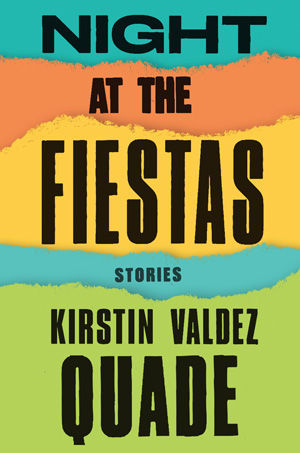
Night at the Fiestas, by Kirstin Valdez Quade (W. W. Norton)
Quade explores the treacherous terrain of the human heart in these remarkable stories set mostly in northern New Mexico. A broken man seeks redemption playing the role of Jesus in a penitente ceremony. A small-town girl meets a mysterious artist at a Santa Fe fiesta. A young man finds his reprobate father living with a snake and rats in his grandmother’s guest house. A college student confronts complicated feelings of envy and resentment on a visit home. Quade was selected as one of the National Book Foundation’s “five under thirty-five” writers to watch. Readers will understand why.
--Bruce Dinges
Also selected by Christine Wald-Hopkins
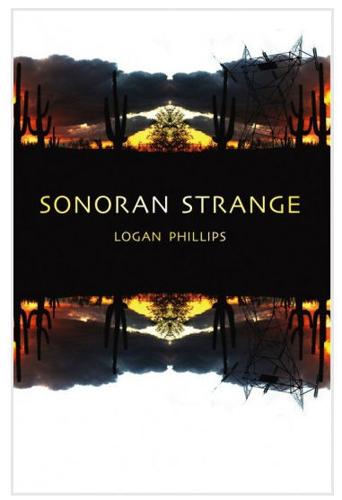
Sonoran Strange, by Logan Phillips (West End Press)
Tucson treasure, poet, and performer Logan Phillips penned a protest song, cautionary tale and love song in his tribute to the Sonoran Desert. Layered with early and contemporary voices, these powerful verses decry the march of “progress” — migrants who, after first conquering the indigenous peoples, continue to subjugate the landscape. Read this challenging and captivating debut poetry collection and gain a new appreciation for the tenacity of the fragile desert terrain; a must for Arizona residents and anyone crossing the state line.
--Vicki Ann Duraine
Also selected by Bruce Dinges
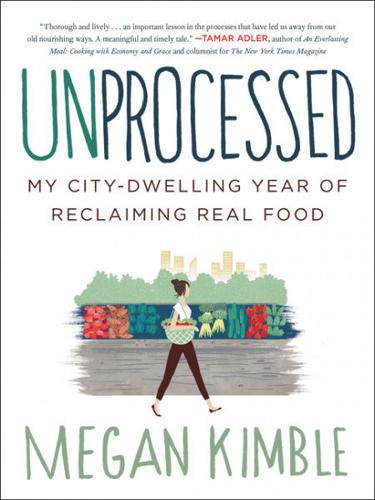
Unprocessed: My City-Dwelling Year of Reclaiming Real Food, by Megan Kimble. (HarperCollins Publishers)
Eating simply can be a complicated business. This is what Megan Kimble discovered when she opted to spend a year eating off the grid, bypassing all things frozen, enriched or shrink-wrapped in favor of locally-sourced food that was additive, preservative and manipulation-free. Unprocessed is the record she kept as she relearned how to feed herself. Each chapter illustrates a step along her nutrition journey —f rom grinding her own wheat to slaughtering her own meat — and includes fascinating digressions into food history. With a journalist’s eye, Kimble, who is now managing editor of Edible Baja Arizona magazine, offers a well-informed perspective on how we can reclaim from the corporations the business of feeding ourselves. But at the tender heart of this informative and often surprising book are Kimble’s gracefully-rendered and evocative personal musings on food, friends, and family around the table, and the reasons we come home to eat.
--Helene Woodhams
Also selected by Bill Broyles
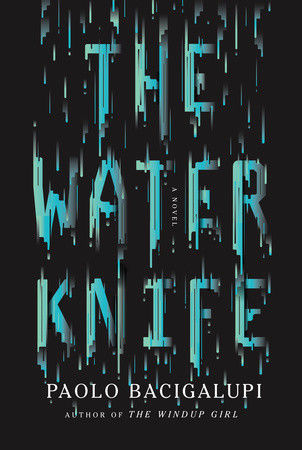
The Water Knife, by Paolo Bacigalupi (Alfred A. Knopf)
The prognosis isn’t pretty for the Southwest when the taps run dry. People are literally dying of thirst in Bacigalupi’s dystopian Phoenix, where water is wealth and powerful cartels fight to the death to control it. The action — and there’s plenty of it — revolves around an idealistic Eastern journalist, appalled by her colleagues’ blood-thirsty taste for “collapse porn;” an illegal from Texas trying to survive on the streets; and a “water knife,” a black-ops assassin for a powerful cartel boss who “cuts” the water to cities, effectively killing them. Their stories converge in a dehydrated world gone mad, where the wealthy live in water-independent arcologies (a sort of terrarium for people), and the poor really can’t live at all. Far-fetched? Perhaps not. Rather, it’s disturbing to think about how real this could be. Bacigalupi’s thriller has its roots in the writings of science and environmental journalists, and is his “…first foray into writing science fiction for readers more used to science than fiction.” It will keep you turning pages – and maybe looking over your shoulder.
--Helene Woodhams
Also selected by Christine Wald-Hopkins