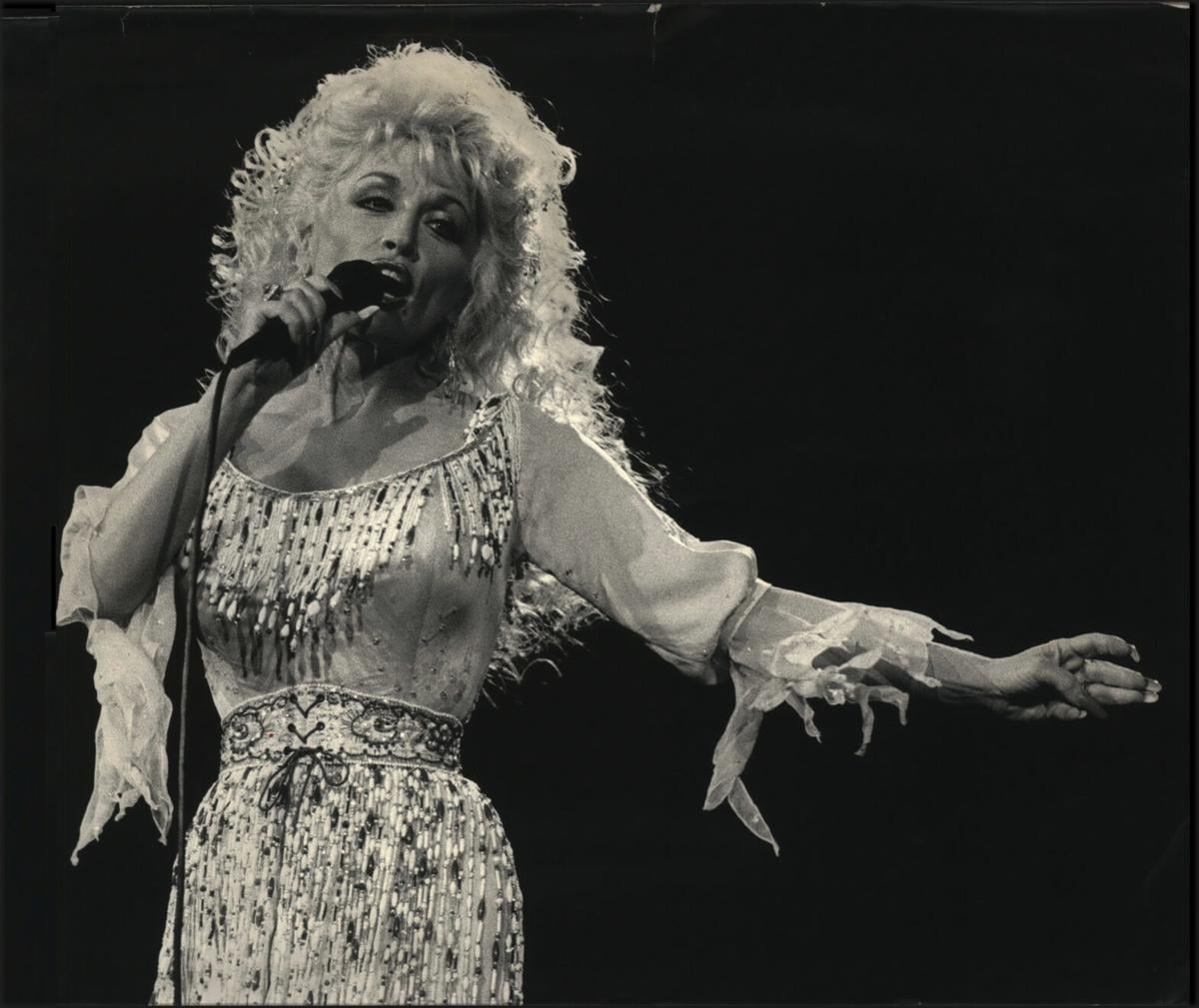
I didn't realize how deeply I felt this loss until I sat down to write about it. Dolly Parton died Aug. 25 at 80, and somehow the world feels a little dimmer for it.

Dr. Barton Goldsmith
I never interviewed Dolly, though I always hoped I might someday. That won't happen now, so instead I want to leave a small love note for her — and maybe inspire someone who's never really discovered her to put on one of her albums and letting themselves go.
Because Dolly had the magic. If you put on a Dolly Parton record in a funky mood, chances were good that by the time it ended, the mood would be gone with it. There was something in that voice, in those songs, that could make life feel lighter.
And what a songwriter she was. "Jolene." "Coat of Many Colors." "9 to 5." "I Will Always Love You." Songs that became part of our lives whether we noticed or not. She could write country, pop, rock — sing softly enough to break your heart, then turn around and rock a room. She acted, produced, built businesses and eventually landed in the Rock & Roll Hall of Fame. She did it all.
People are also reading…
But what struck me most about Dolly wasn't the fame — it was the humanity underneath it. When her husband of nearly 60 years, Carl Dean, became seriously ill, Dolly later admitted she'd stopped taking care of herself. After he died in March 2025, she said that when she finally went back to her doctors, there were things she'd let go while she was busy caring for him.
That story stayed with me. Here was one of the most famous women on Earth doing something painfully ordinary and profoundly loving: putting someone she loved ahead of herself.
You could feel that generosity in her music, but Dolly actually lived it. Her Imagination Library, started in 1995, put millions of books into children's hands. She invested in the community where she grew up. Dollywood became more than a theme park with her name on it — it's a major employer and an economic engine for the region. She gave to hospitals, disaster relief, medical research, including a million-dollar gift to Vanderbilt that helped fund research tied to the Moderna COVID-19 vaccine.
Plenty of great artists understand that success buys you the chance to help others. Eric Clapton built his Crossroads treatment center in Antigua. Bruce Springsteen has quietly backed communities and causes for decades. Christian Bale, working with Dr. Eric Esrailian, helped create Together California, a village project in Palmdale built to keep foster siblings together instead of scattering them through the system. But with Dolly, giving wasn't a separate chapter from the music — it was the same fabric. Maybe that's why so many people who never met her feel like they knew her.

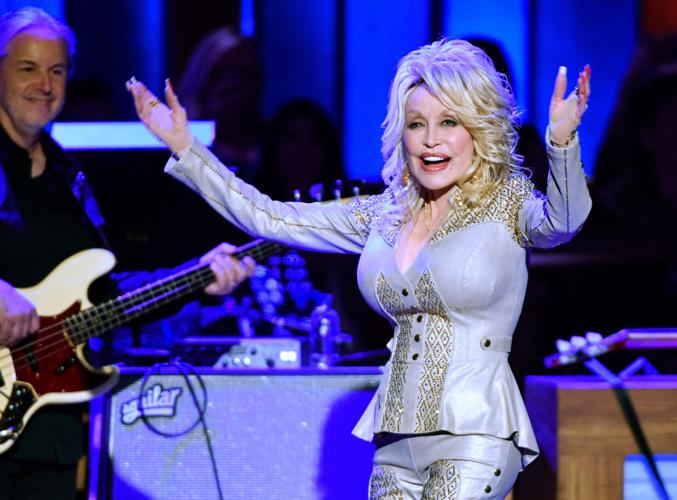
Dolly Parton performs Oct. 12, 2019, at her 50th Grand Ole Opry Membership Anniversary at the Opry House in Nashville.
The rhinestones and the big hair were part of the fun, and Dolly was always in on the joke. Underneath it was an extraordinarily intelligent woman who understood people — heartbreak, longing, poverty, ambition, humor, love — and could fold all of it into three or four minutes of music. Any musician with an ounce of creativity could learn something from her, and not just about songwriting. About what you do with a hit once you have one. About turning success outward instead of just enjoying it.
I really thought she'd come back from her recent health troubles. Maybe that's part of why this one hurts. Eighty years is a long life, but it doesn't feel long enough today.
So if Dolly Parton somehow passed you by, do yourself a favor. Put on one of her albums, turn it up, and actually listen to the words. Let yourself smile, or cry, or sing along. She gave us plenty of light to borrow. I'm going to miss her.