

This article first appeared in The Desert Leaf and is part of a series featuring the Sky Islands.
I keep shallow bowls of water out for wildlife in my front yard, and one summer morning many years ago, I was startled to discover a muddy footprint stamped into the bottom of one of the bowls. After consulting a colleague skilled at identifying tracks, we determined that the print belonged to an American badger. I was amazed to learn that badgers were roaming in my neighborhood, and I soon set up a wildlife camera to see whether I could photograph the unexpected visitor stopping by for a drink.
To my delight, the camera confirmed the badger’s presence. Over the following months, it captured the remarkable behavior of an entire family. On hot summer afternoons, the mother badger occasionally settled into the bowl alone, soaking in the water. Later, she returned with two offspring, and the three took turns drinking and rolling in the water. Without the camera, I would never have witnessed these intimate moments.
People are also reading…
Experiences like these changed the way I think about Tucson. Before putting out water and installing a camera, I imagined wildlife mostly living in parks and remote mountain ranges. Instead, I learned that many species are quietly sharing our neighborhoods. Most of the time we simply don’t notice them because they move at night or remain hidden during the day. A wildlife camera reveals that even small yards can offer food, water, shade, and safe passage for animals moving through the city. Triggered by movement or body heat, these small wildlife cameras keep watch while we are busy with daily life or asleep and provide a fascinating glimpse into the hidden lives of our wild neighbors. The images serve as a reminder that our homes are part of a larger ecosystem and that simple actions can help support the species that live alongside us.
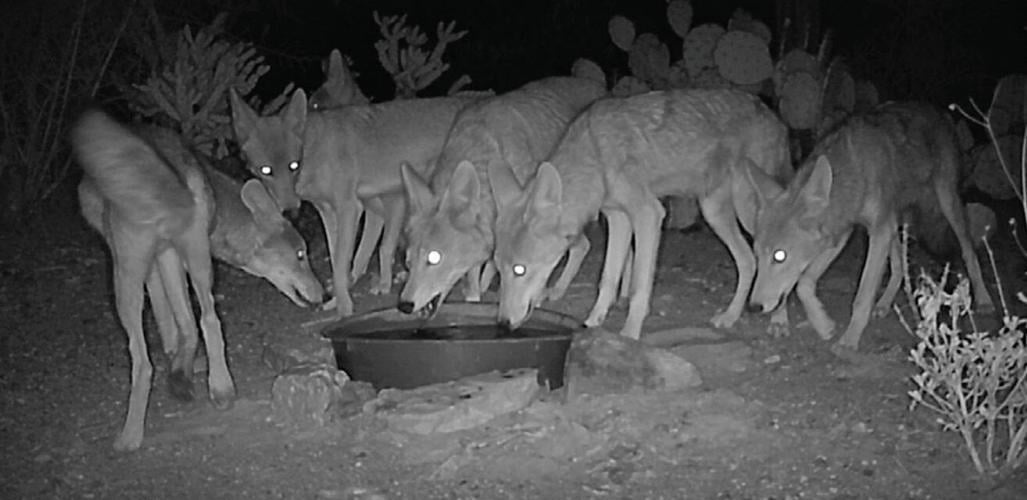
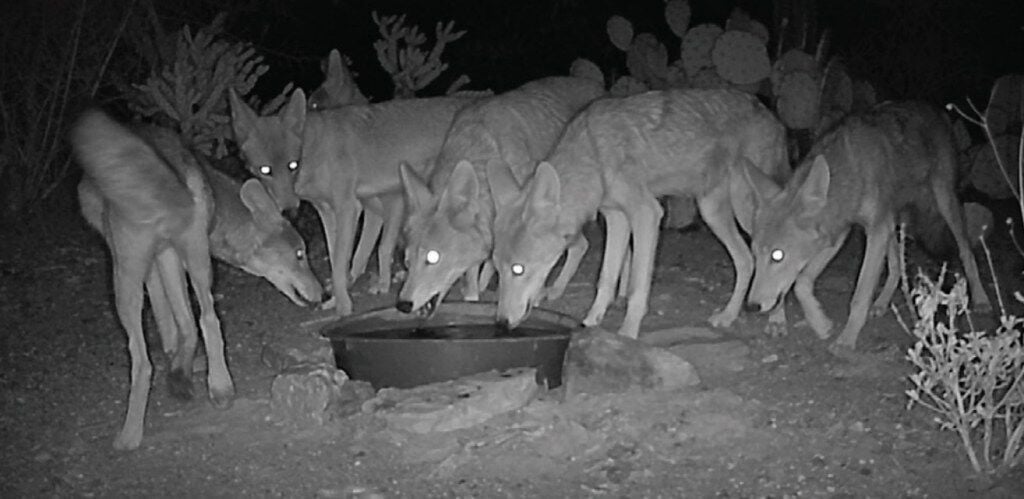
Seeing the images greatly deepened my appreciation for the desert. It also taught me that remarkable wildlife experiences can happen right outside the front door. Beyond badgers, I’ve seen packs of coyotes come to drink, squadrons of javelina with tiny babies sitting in the water bowl, a mother bobcat watching her kittens play, baby cottontails, and a wide variety of birds and reptiles. Water really does attract the most wonderful animals, and when paired with a wildlife camera, a tiny oasis becomes incredibly fun to watch.
If you would like to experiment with a wildlife camera, Sky Island Alliance’s FotoFauna project has many resources to get you started, including tips for selecting a camera, placing a camera outside to optimize chances for wildlife viewing, and identifying species that show up in your photos. The project has free kits available to borrow, complete with a wildlife camera and wildlife identification guide, at the Sky Island Alliance office and in select libraries including those in Douglas, Arivaca, and Bisbee. Kits may be checked out for 30 days at a time.
FotoFauna is a community wildlife camera network that crowdsources wildlife camera data across the region. By placing a wildlife camera in your backyard and submitting a checklist of which species showed up on camera at least once in a given month, you can contribute important insights into where different species are present across the landscape. Participants in FotoFauna have documented everything from white-nosed coatis and ringtails to black bears and mountain lions. Every photograph contributes to a growing picture of how wildlife uses urban areas and undeveloped habitats across the Sky Islands. Collectively, these observations help scientists and land managers better understand which species are thriving, where movement corridors remain intact, and where conservation efforts are needed most.
I hope you have the opportunity to see the land around you through the lens of a wildlife camera. One of the joys of wildlife cameras is that no two months are ever the same, and if you keep watching long enough, unexpected visitors are bound to appear. I continue to watch for more signs of badgers and species I haven’t yet seen around my house. Give it a try, and happy wildlife watching!

