The blockbuster GLP-1 drugs that reshaped the treatment of diabetes and obesity may help prevent multiple substance use disorders — and reduce their tragic outcomes, a large new study found.
An analysis published this month in the BMJ medical journal looked at electronic health records from more than 600,000 U.S. Veterans Affairs patients with diabetes. It found those treated with medications such as Ozempic and Mounjaro were less likely to develop addictions to substances than those treated with a different class of drugs.
In those already addicted, the GLP-1 drugs were linked to lower risks of hospitalization, overdose and death, according to the study.
The results suggest — but don't prove — that the weight-loss medications may be able to target the underlying source of cravings that affect the more than 48 million Americans with substance use disorders.
People are also reading…
"They're actually working against the root cause of all these different addictions," said Dr. Ziyad Al-Aly, the study's lead author and a chief researcher at the VA St. Louis Health Care System.

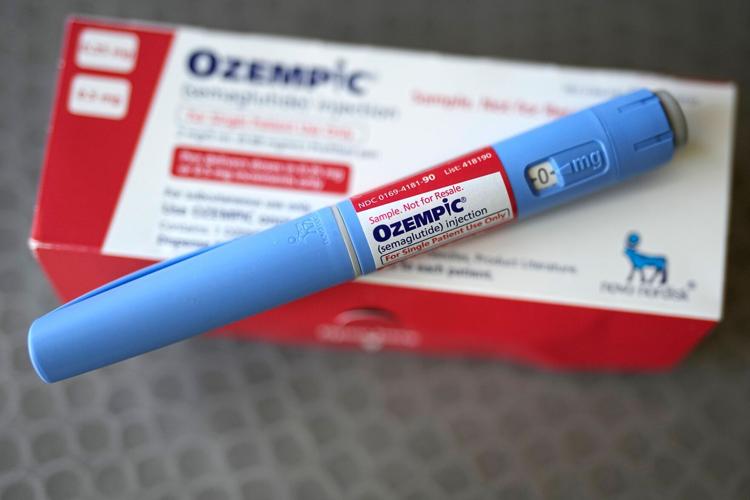
The injectable drug Ozempic is a GLP-1 medication.
What was studied
Previous studies suggested GLP-1s, or glucagon-like peptide-1 receptor agonists, could reduce addictions by targeting the brain's reward pathways. Those studies were small and often limited to one substance.
For this study, one of the largest to date, Al-Aly and his colleagues analyzed data from the electronic records of more than 600,000 Veterans Affairs patients with diabetes over three years. They compared people who received GLP-1 drugs with those treated with medications that lower blood sugar.
The patients were divided into seven parallel trials that analyzed the risk of developing addictions to multiple substances including alcohol, cannabis, cocaine, nicotine and opioids. Another trial looked at the risk of specific harms among people with existing addictions when they took the different types of medication.
What researchers found
Al-Aly and his colleagues found that people starting the GLP-1 drugs had lower risks of developing addictions. Compared with the other medications, people taking the GLP-1 drugs had a reduced risk for addiction: 18% for alcohol, 14% for cannabis, 20% for both cocaine and nicotine, and 25% for opioids.
In patients who already had substance use disorders, starting the GLP-1s was linked with a 31% lower risk of emergency department visits, 26% lower risk of hospitalizations, 25% lower risk of suicidal thoughts or attempts, 39% lower risk of overdose and 50% lower risk of death.
Overall, the study found use of GLP-1 drugs likely prevented about seven cases of substance use disorder and 12 incidents involving serious harm for every 1,000 users over three years, Al-Aly said.

Limits of the study
Among the study's limitations: It was conducted within the VA health system, which serves a population that is mostly older, white and male, though Al-Aly said the results were consistent in more than 35,000 women. It also includes data only from people with diabetes, not the general population.
The researchers also couldn't account for some factors, such as socioeconomic status or lifestyle choices, that could affect the results. The analysis focused on the effects of using GLP-1s compared with another drug, not compared with no treatment.
As an observational study, the new analysis showed GLP-1s are associated with reduced risk of substance use disorders and harms, not that the drugs themselves caused the reduction.
The new findings do not, by themselves, justify prescribing GLP-1 drugs to prevent or treat substance use disorders, Al-Aly said.
That evidence would need to come from randomized controlled clinical trials that directly compare the use of the drugs against a placebo, or dummy medication.
Several such trials are pending, noted Dr. Lorenzo Leggio, a National Institute on Drug Abuse clinical director who wasn't involved in the study.
New medications needed
Diabetes and weight-loss trials showed GLP-1 drugs target hormones in the gut and the brain that control appetite and feelings of fullness, cutting down on what's described as "food noise," or intrusive thoughts of food. In the same way, this study indicates the drugs may tamp down "alcohol or drug noise," Leggio said.
Growing evidence that GLP-1s might prevent substance use disorders is exciting, said Dr. Anna Lembke, a Stanford University addiction-medicine specialist.
"We haven't really had a new tool in our toolbox from a pharmacotherapy perspective to treat addiction in a long time," she said, noting some addiction specialists already prescribe GLP-1s off-label, especially when other treatments failed.
She cautioned that the GLP-1 drugs don't work the same way for all users and risks must be weighed against potential benefits.