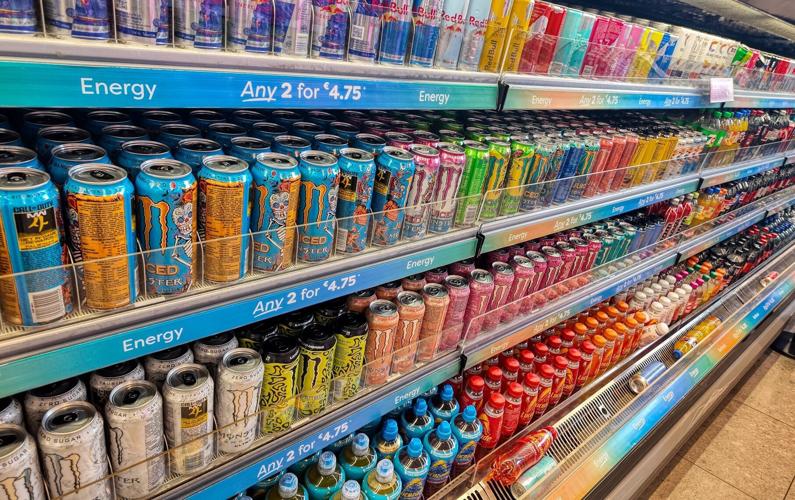
Caffeinated energy drinks are available in stores across the United States and while flavors like watermelon, Shirley Temple and apple sound enticing, a new study may make young adults think twice before taking a sip.
In a review of more than 28,000 adverse-event reports to the Food and Drug Administration over eight years, independent research presented by the American Heart Association found caffeinated drinks and supplements are "disproportionately" linked to reports of serious cardiovascular events, such as cardiac arrest and heart attacks, especially in young adults ages 18 to 34.
“These products are marketed as everyday pick-me-ups and sold next to soda and bottled water, so most people assume they carry no real risk,” Sai Samayamanthula, the study's author and a fourth-year medical student at the University of Virginia School of Medicine, said in a statement.
People are also reading…
While occasional consumption may not pose a risk, individuals who take caffeinated supplements or consume energy drinks consistently could exceed the recommended daily limit for caffeine, putting their cardiovascular health at risk, according to Samayamanthula.
The study emphasizes that it does not prove that caffeinated drinks caused the reported cardiac events, but it shows how often caffeine was mentioned in reports of these events to health officials.

Energy drinks continue to grow in popularity, with sales more than doubling in the past decade.
Daily limit
The AHA recommends a daily caffeine limit of 400 mg. That is equivalent to five cups of black caffeinated coffee, about a dozen 330 ml cans of Coca-Cola or five 250 ml cans of watermelon-flavored Red Bull energy drinks.
While drinking a can may not cause harm, people should keep a close eye on their consumption, researchers said.
“For many healthy people, if these products are consumed occasionally, the risk is probably small," Samayamanthula said. "However, individuals who consume energy drinks or other stimulant-containing supplements regularly can quickly exceed the recommended daily limit for caffeine, so it’s important for people to know that there may be a risk of cardiovascular harm with these products.”
The study comes as energy drinks continue to grow in popularity. In 2024, sales of caffeinated energy drinks reached more than $20 billion, according to the AHA. Sales more than doubled in the past decade.
Study findings
Researchers analyzed 28,345 reports of cardiac events that occurred between 2017 and 2025. Of those, 854 mentioned caffeine- or stimulant-containing energy drinks or dietary supplements. The study found cardiac arrest was reported about 11 times more often in connection with such products compared to products without these ingredients.
Reports involving energy drinks or supplements were 4.5 times more likely to include heart attacks in both men and women, as well as:
4 times as likely to include ventricular arrhythmias, which are an abnormal rhythm in the lower pumping chambers of the heart
4 times as likely to include heart palpitations
3 times as likely to include elevated heart rate
2.71 times as likely to include chest pain
2 times as likely to include fainting
The pattern of cardiac events could be more prevalent among young adults because of the following factors:
How often they consume caffeine
When the caffeine is consumed, such as before intense workouts or strenuous activities
Mixing caffeine with drugs or alcohol
Potentially living with undiagnosed heart conditions
However, researchers do not fully know why caffeine is linked to cardiac events among young people, according to the AHA.

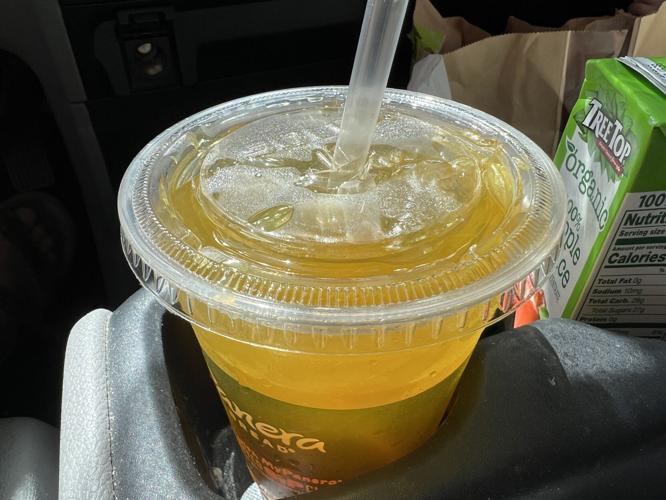
A container of Panera Charged Lemonade is seen Aug. 9, 2023, in a to-go carrier in Walnut Creek, Calif.
Companies sued
A family, who alleges the death of a 17-year-old girl was due to an enlarged heart caused by drinking large amounts of caffeine, sued Glazer’s Beer and Beverage and Glazer’s Beer and Beverage of Texas, the distributors of Alani Nu, an energy drink brand. The family's attorney said the distributors “fail to give any warnings."
In a statement to NBC News, Celsius Inc., which bought Alani Nu in April 2025, said it was saddened by the loss and takes “product safety seriously and believes consumers should have clear information about what they are drinking.”
“Alani Nu energy drinks disclose 200mg of caffeine on the can, and the label states the product is not recommended for children, people sensitive to caffeine, pregnant women, or women who are nursing,” it said.
In October 2024, Panera reached its first settlement in a wrongful death lawsuit stemming from its discontinued Charged Lemonades. In July 2025, it settled the remaining lawsuits, which included another wrongful death suit and two legal complaints that alleged the drinks led to cardiac problems in two customers who were previously healthy, NBC News and People reported. Panera did not admit wrongdoing.