

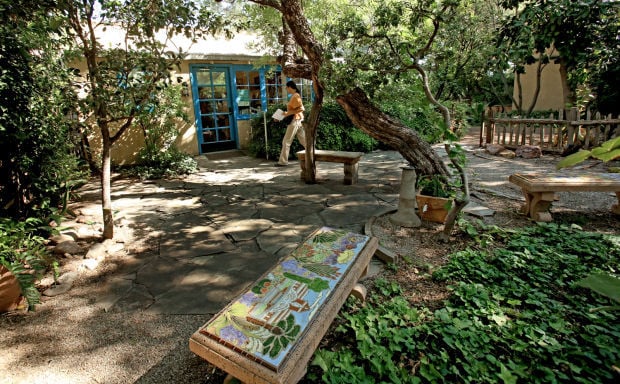


Sometimes Langdon Hill stands in the middle of the historical gardens at the Tucson Botanical Gardens and deeply breathes in.
What he’s taking in are the smells of his childhood.
“Back when we were kids in the ’60s, irrigation channels would circulate through the garden,” recalls Hill, whose grandparents owned the land where the Tucson Botanical Gardens now sit.
“There was this wonderful garden smell. I could take a deep breath now and smell that.”
Coming up is the 40th anniversary of when the Tucson Botanical Gardens moved onto Rutger and Bernice Porter’s property on East Grant Road and North Alvernon Way.
As the staff prepares a celebration, Porter family members and early Botanical Gardens board members share memories.
People are also reading…
PORTER HOUSE
Hill is on the attraction’s board of directors and so regularly visits the place where he spent many days as a child. He remembers hanging with East Coast cousins during spring break from school.
“We’d go over and ride the ponies, eating Otter Pops and swimming in the pool,” he says.
In summers, three generations of Porters would sit in the sun porch during storms, especially when the electricity went out, and watch nature’s show. “It was beautiful. Lightning would light up the desert,” says Hill, the son of the Porters’ oldest daughter, Grace.
Donald Laidlaw, a TBG board member emeritus, was the same age as Cornelia “Nina” Porter, the youngest of the three Porter daughters. He remembers helping with the summer cleaning of the huge cattle tank — it was 35 feet in diameter.
“I can recall instances when I would visit to help, swabbing and brushing and scraping,” says Laidlaw. “The reward was a swimming pool.”
It was one of the few private swimming pools in Tucson in the 1940s and it always drew a crowd of family and neighborhood kids.
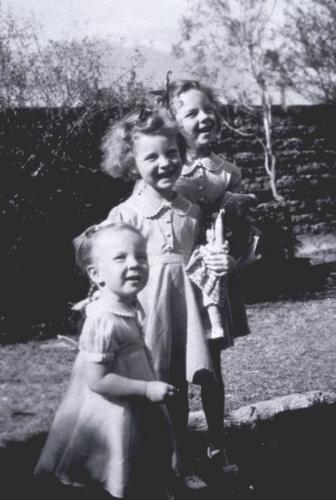
The private gardens and the commercial fields where stock was grown for the family’s Desert Gardens Nursery afforded a wonderland of adventure, recalls Nina Porter Ford.
The kids climbed huge eucalyptus trees, hid among the plants and tossed mud clods like “grenades” in the fields.
Ford fondly remembers pleasant nights “sitting out under the stars in that back garden right near the kitchen. We would listen to music” from a record-player her father set out.
Botanical Gardens MOVE IN
The stories of the Porter property and the Botanical Gardens intersect in the early 1970s.
TBG’s tale starts in 1964 when Harrison Yocum created the botanical gardens showcasing his collection of palms and tropicals from around the world, as well as Sonoran Desert plants.
He let people come to his house to see the plants for free.
Tucson Botanical Gardens became a chartered organization in 1969, says Richard Wiedhopf, who became a board member in 1970.
Some plants were moved to the Tucson International Airport for a temporary display. The organization later received temporary exhibit space in two greenhouses in what is now Reid Park.
Wiedhopf, who became board president in the mid-1970s, says several potential places popped up as the board sought a permanent location. Those included land where Pima Community College’s Northwest Campus stands and where Tohono Chul Park is established.
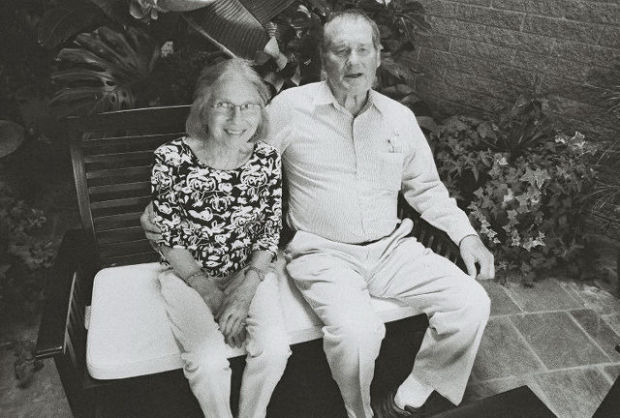
A few years earlier, Bernice Porter donated her property to the city of Tucson to protect it as a public garden. “She did not want it to end up as another parking lot,” says Ford. “She had a vision of what it could be.”
“Mrs. Porter wanted to donate all of her property for the botanical gardens as long as she could live on it,” Wiedhopf says.
He says the Porter property turned out to be the best option because it was in the middle of Tucson.
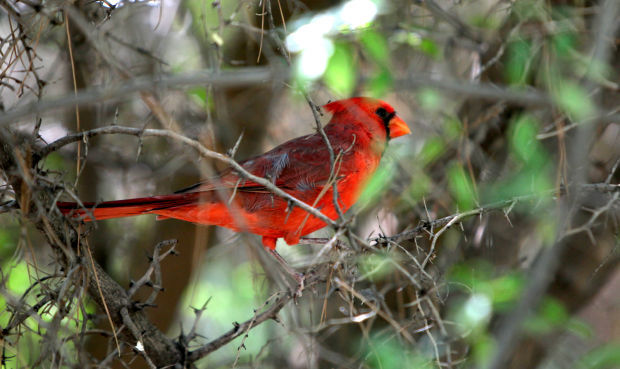
On Dec. 16, 1974, the Tucson City Council allowed TBG to develop the property as a horticultural and educational center and bird sanctuary.
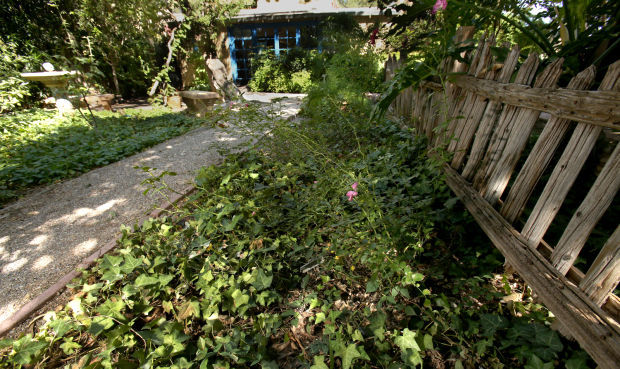
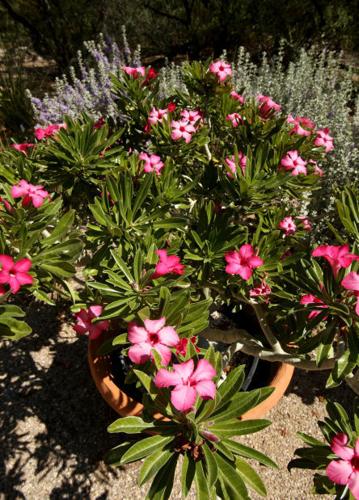
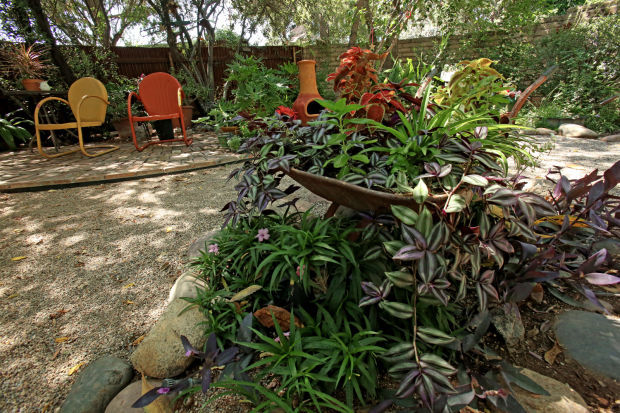
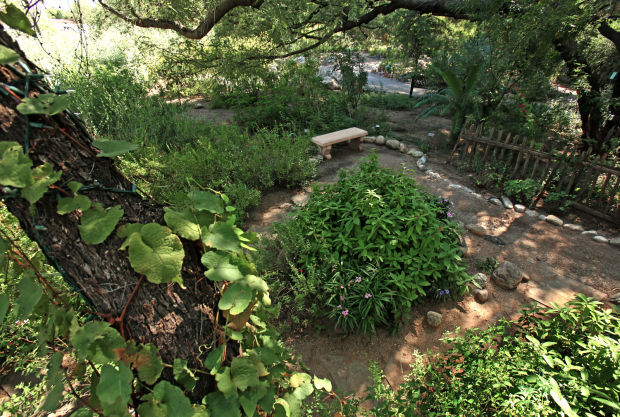
TBG’s new digs had a mid-20th century Mediterranean landscape: olive, eucalyptus and Aleppo pine trees; roses, privet, jasmine and oleander. Fruit trees, herbs and flowers filled spaces around the house.
Porter did live in a portion of the house until she died in 1983.
The board decided it did not want to compete with the Arizona-Sonora Desert Museum, which already had an extensive collection of native plants, says Wiedhopf.
“We would show plants of the world,” he says. “We want to educate the public about plants, not just native plants.”
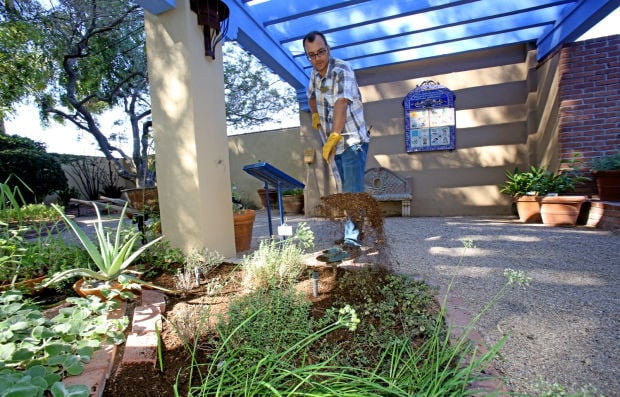
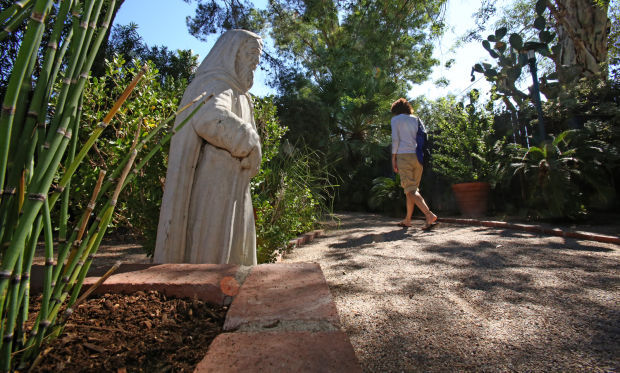
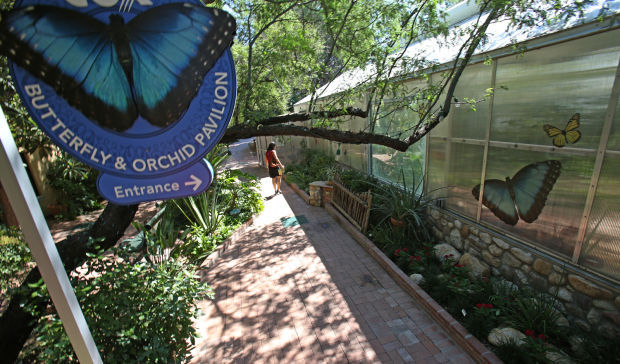
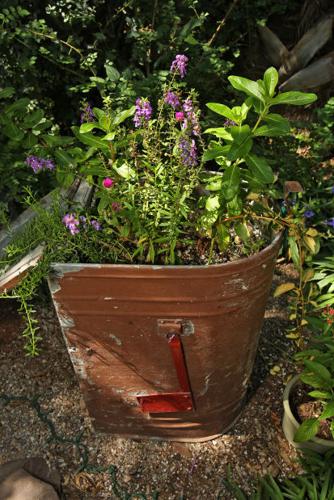
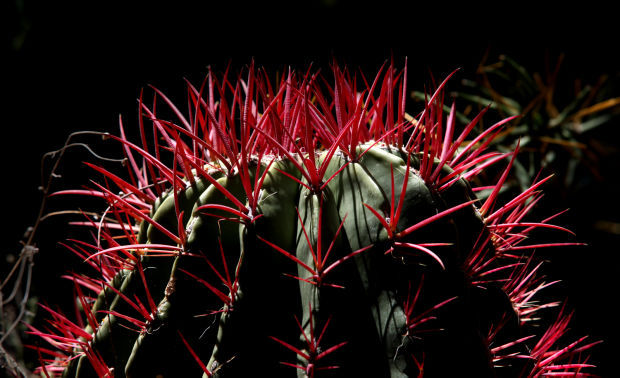
Today’s gardens include 18 exhibits, including pollinator plants, cacti and Native American, Hispanic and Japanese cultural gardens. The original house still is surrounded by gardens that the Porters tended.
Ford says she is pleased by what the Tucson Botanical Gardens has become.
“My mother and father would be more than delighted to see it today,” she says. “I know I am. It’s very touching to me. What a legacy. The plants there have grown beautifully.”