

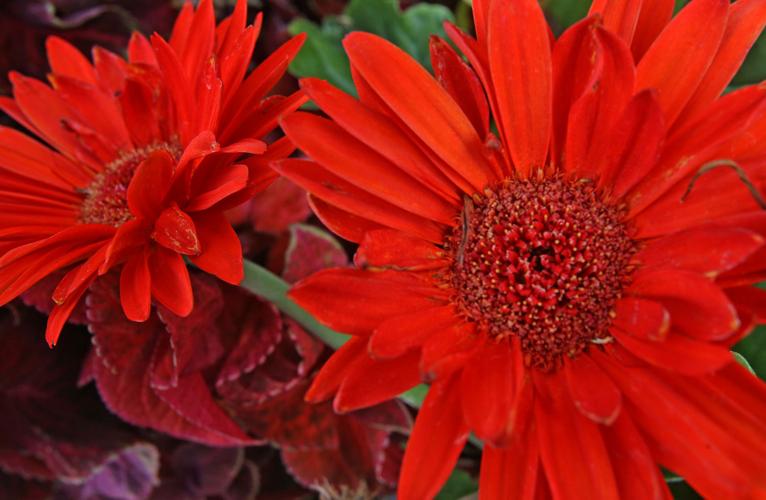
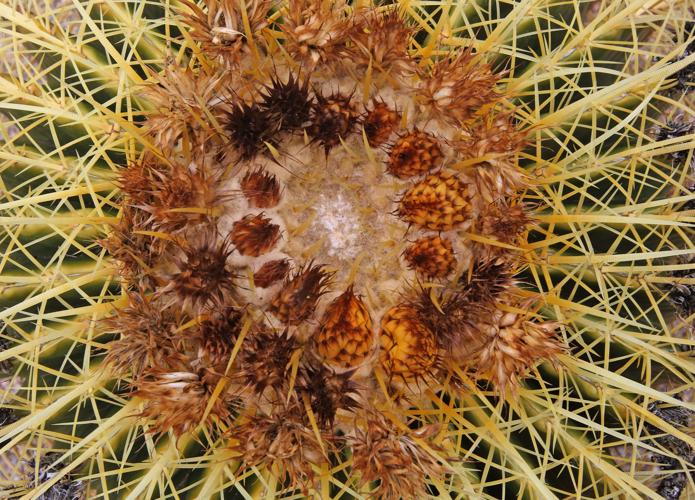
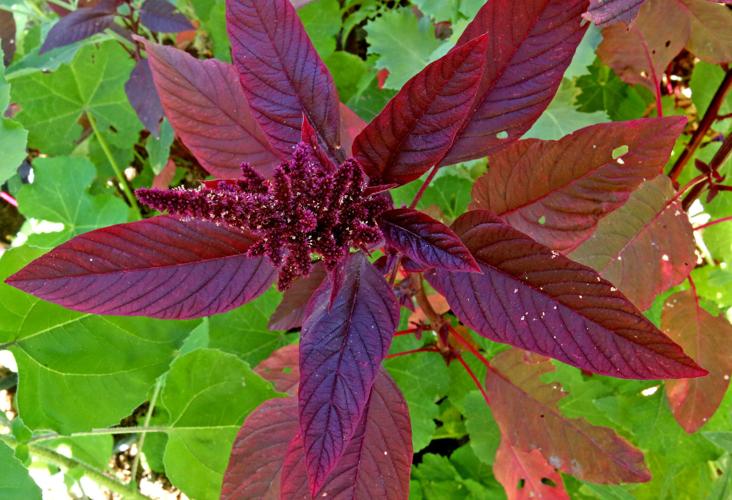
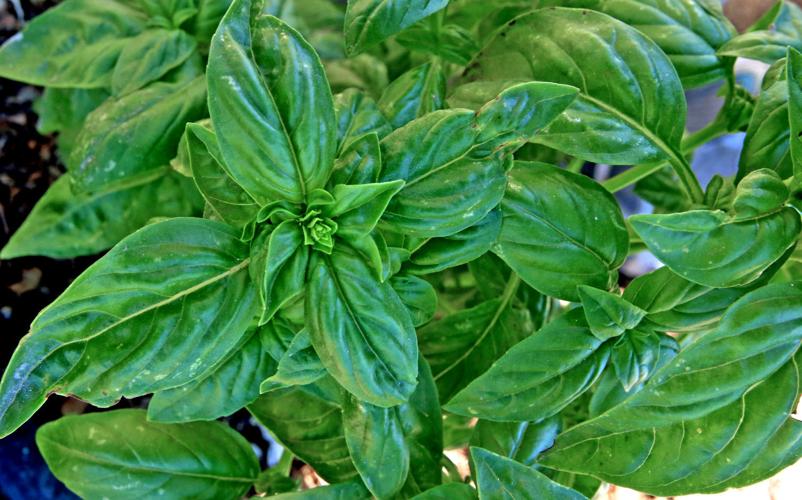
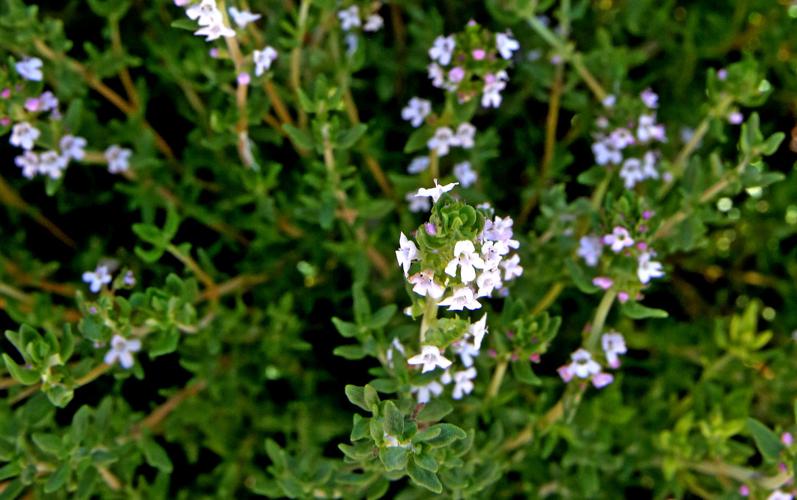
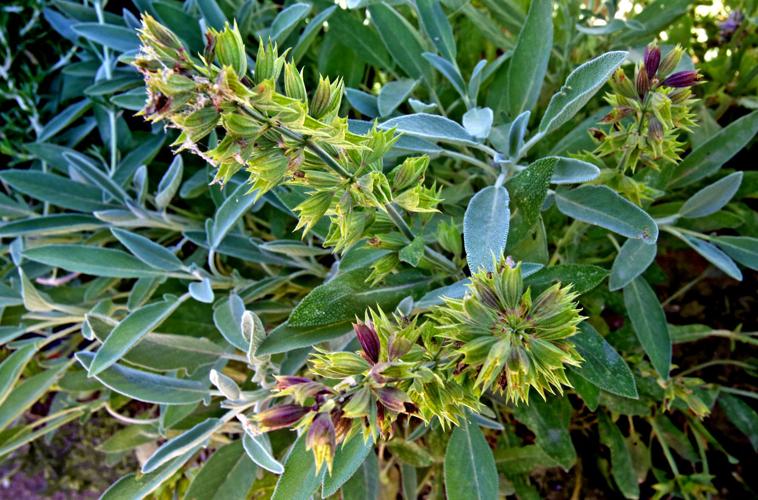
Ferocactus emoryi, barrel cactus, blooms.
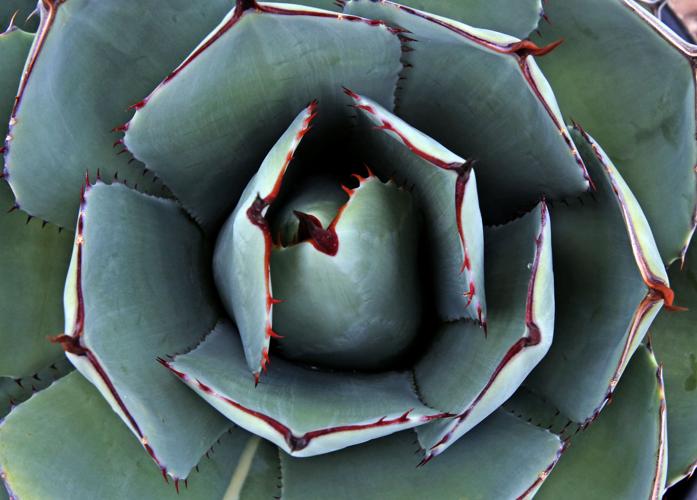
Avonia quinari, a succulent, grows well here.
Yes, it is starting to get hot, and experts know this is the right time to get ready for summer gardening.
By checking irrigation systems, creating rain gardens and freshening up the landscape, you can get your plants through Tucson’s two summer seasons, dry and monsoon.
FIX WATERING SYSTEMS
“The number one thing to do is double-check your irrigation system,” says Tony Sarah, general manager of Magic Garden Nursery.
• Run water through the system for 15 minutes or more, Sarah suggests, long enough for you to walk along the lines to search for plugged up emitters, missing emitters and puddles, which indicate leaks.
People are also reading…
• Add emitters to growing trees and bushes so that they get water around the edge of the canopy, he says.
• Now is the time to change the timer for more frequent waterings.
• Other maintenance checks include:
• Flushing out the system by removing the cap at the end of a line.
• Cleaning out the filter screen or replacing it if it’s torn.
• Replacing worn-out or cracked rubber gaskets in the regulator.
• Making sure the electrical wires in the valve for the timer aren’t frayed or broken.
Eli Nielsen, owner of EcoSense Landscaping, suggests these maintenance items for a rain-collection system:
• Clean out gutters and their leaf diverter screens.
• Check gutter seams for separations, which need repair.
• Make sure overflow channels in basins still work.
• Make sure your first-flush diverter is working properly.
HARVEST RAIN
Small changes to the landscape can passively harvest enough rainwater to eliminate tap irrigation during monsoon season, says Eli Nielsen, owner of EcoSense Landscaping.
“It doesn’t have to be super-duper involved,” says Nielsen. “You can do real shallow digging and trenching.”
Watch where rainwater falls from the roof or how it flows through your yard from beyond your property.
Then create earthworks such as trenches that guide that water directly to plants.
“Conveyance channels force that water to meander through your yard,” he says.
Small basins under trees or as beds are good planting areas as long as they have good drainage. If digging is too hard, build up basin walls with new dirt.
Here are more tips from Nielsen:
• Keep your drip irrigation system intact while reshaping the land. You may need it if captured rainfall isn’t adequate for your plants.
• Call the Arizona Blue Stake Center, 1-800-782-5348. While you may not be digging deeply, you don’t want to accidently hit and damage an underground utility line.
REFRESH THE LANDSCAPE
Spend some time spiffing, fixing and redecorating the garden view and living spaces, suggests Elizabeth Przygoda-Montgomery, owner of Boxhill Design. Here are her tips.
• Plants. Pull out dead and stressed plants and add new ones to fill in space.
• Decor. “Move all items in one place away from the line of sight,” Przygoda-Montgomery suggests in an email. “Then only add back the items you really love.”
• Furniture. Paint, polish or varnish to clean them up. Re-upholster or by new cushions “to update your look,” she says.
• Lighting. Make sure bulbs are working and electrical lines are good. Readjust spotlights that may be accentuating the wrong part of a specimen plant that has recently added some growth.
• Hardscape. Fill in bald spots in your gravel groundcover. Bring samples with you to the store so you can match the color and size.
PLANT ORNAMENTALS
Transplanted cacti and other succulents will thrive in the heat. But succulent grower and plant author Greg Starr cautions you to plant only succulents that are active in the summer months.
Some go dormant in the summer and won’t put on the growth necessary to thrive in the heat, he says.
And you may have to baby succulents through the dry season of May and June, says Starr.
“You can’t put it in the ground and walk away from it,” he says.
He suggests a good soaking every five to seven days, then cut back once the rain comes.
New trees and shrubs from a nursery will need a lot of water, too, says Lee Mason, general services director at Tohono Chul Park. He suggests daily irrigation or more for the first two months after transplantation.
PLANT COLOR
Successful summer gardens depend on planting the right species, says Paul Ellis, coordinator of the Pima County Master Gardeners.
“A little research and planning can save a lot of money and disappointment,” Ellis says in an email.
Make sure the plant is appropriate for planting in the summer and can thrive in the location you want to put it.