


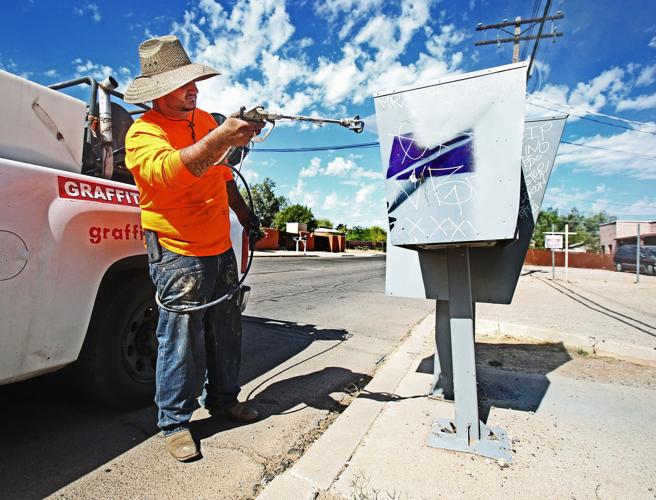
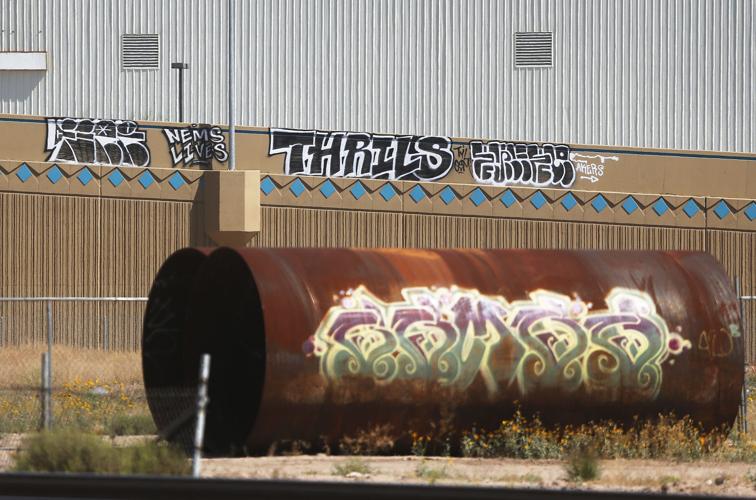
The city will spend a lot more on graffiti cleanups next year to try to nip the problem in the bud.
The city had cut back on graffiti spending by about 4 percent this year, but next year it plans to double the graffiti budget.
To deal with an average of 650 graffiti complaints per month, the city will have spent about $870,000 on abatement by the end of June, budget projections show.
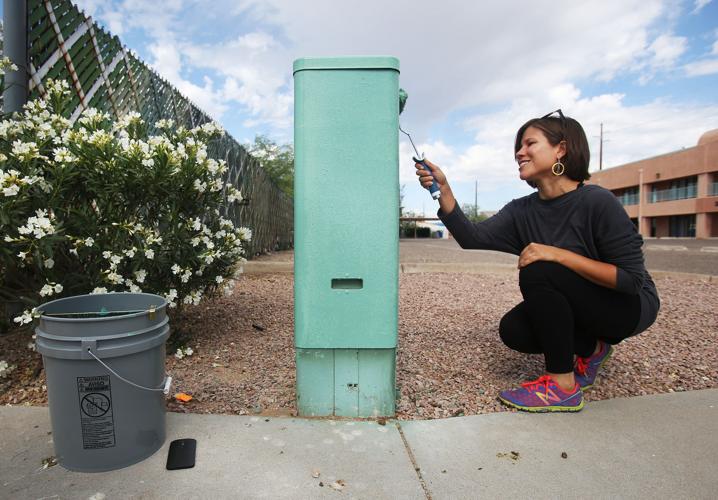
The city also relies heavily on volunteers to paint over or wash off the unsightly marks.
“The mayor and council have suggested that eliminating graffiti be a top priority of the city,” interim City Manager Martha Durkin said in a memo. “I agree that this is important to our residents and have included an additional $880,000 toward this program” in her recommended budget.
People are also reading…
City Council member Karin Uhlich said Tucson wants to try a model like one used in Avondale.
There they frontloaded more graffiti abatement money in a three-year cycle, and found by quickly cleaning up graffiti in highly visible areas there was less and less of it, saving the city money over time, Uhlich said.
“Paint it out quickly and it’s just a huge deterrent,” she said.
The extra money will allow the Tucson Department of Transportation and its contractor to remove more graffiti that is located on private property but within sight of the street or sidewalk in less than 72 hours, said transportation department director Daryl Cole.
Neighborhood groups help report graffiti so the city knows where to go, he said.
Uhlich has hosted a number of neighborhood cleanup events, where volunteers get a free meal in exchange for scrubbing graffiti off garbage cans, mailboxes and signs. A big portion of the complaints she receives at her office are for graffiti and other neighborhood blight issues, she said.
The Amphi Neighborhood Association held a cleanup day with Uhlich’s office on Saturday.
The neighborhood tries to bust graffiti about once a year, Amphi president Maureen Hazlett said.
“It’s one of those bizarre things where it comes in spurts,” with taggers seeming to be most active in late summer and early fall, she said.
“I just wish people would stop,” Hazlett said. “If they want to draw, they need to go get a sheet of paper and stop making a mess everywhere.”
With the city budget in dire straits, it’s nice to know the mayor and council support extra money for graffiti abatement, said Donald Ijams, coordinator of the Neighborhood Support Network, a support group for neighborhood leaders.
That’s good news for neighborhoods, he said, especially if the city can use the money to clean up more graffiti on vacant buildings, which currently are low on the cleanup priority list if the property owners can’t be reached to give permission.
On Tuesday, the mayor and Council will adopt the tentative budget for next year. A public hearing and a vote to approve the budget is planned for June 9.
Contact reporter Becky Pallack at bpallack@tucson.com or 573-4346. On Twitter: @BeckyPallack

Becky Pallack
Product manager

 Former Sam Levitz building sells for $8.6 million


