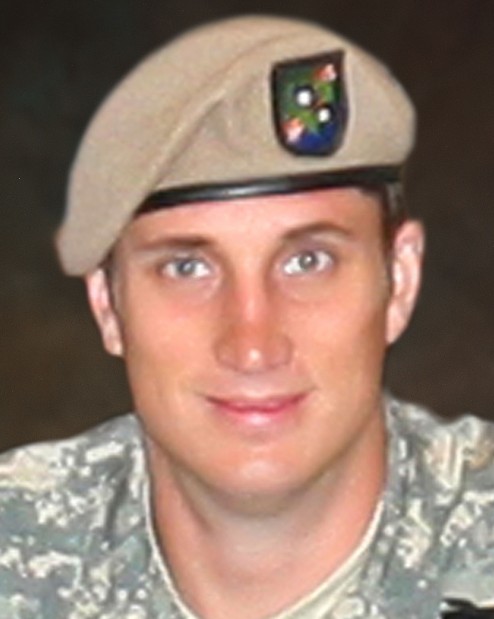
Human error has been blamed for the death of an Army Ranger who survived six deployments to Iraq and Afghanistan, only to perish in a parachute training accident near Marana last year.
Staff Sgt. Christopher Roulund, 27, was killed when a fellow Ranger who jumped just after him became entangled in Roulund's parachute canopy, causing them to crash land, Army investigators found.
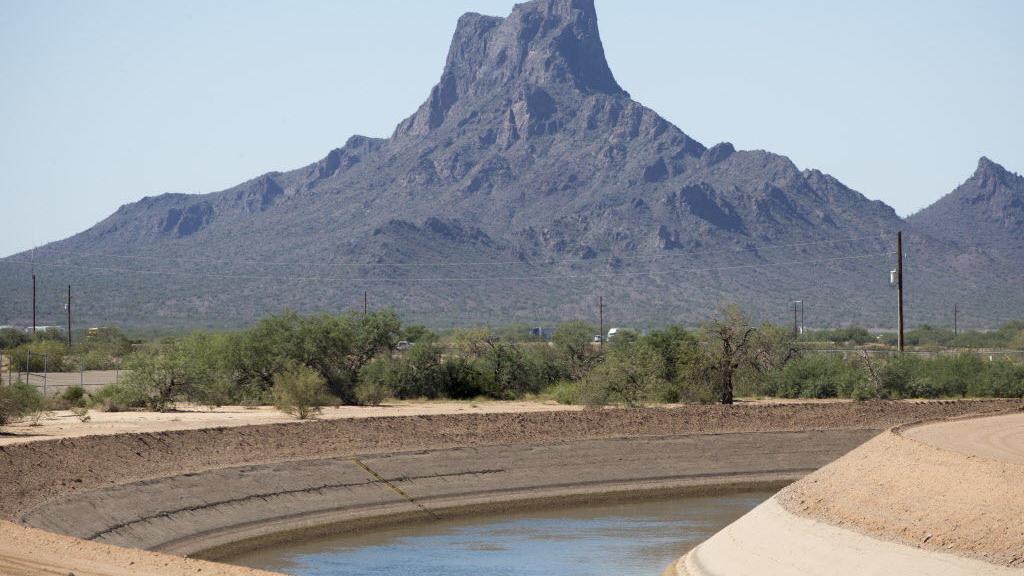
Roulund's death was one of three military fatalities last year at Pinal Air Park, north of Marana, home to the U.S. Special Operations Command's Parachute Testing and Training Facility.
Two Navy SEALs also died in training accidents at the same site. Their deaths, too, were attributed to human error.
A report on the Army's investigation of the Ranger's death was obtained by the Arizona Daily Star under the Freedom of Information Act. It indicates that an unnamed officer in Roulund's unit turned too soon and struck Roulund as the soldiers were preparing to land.
People are also reading…
The officer broke his pelvis in the fall and has since recovered, He is no longer in the Army, officials said.
The Rangers training near Marana were practicing a high-risk maneuver known as HALO, short for high altitude, low opening.
The technique - often used in covert missions - requires troops to jump at high altitude, then free-fall with parachutes closed most of the way down.
Roulund's unit had successfully practiced the move for more than a week at Pinal Air Park before the deadly jump on Aug. 13, 2008, the report said.
Roulund and six other Rangers exited their aircraft at about 12,500 feet above ground level, fell to 4,000 feet, then opened their parachutes and formed a stack.
When wind conditions required them to turn shortly before landing, the first jumper in the stack signaled the others. The captain who caused the collision was fourth in the stack - just above Roulund - and turned too early, causing him to become ensnared in Roulund's canopy.
Roulund popped his backup parachute, but there wasn't time for it to fill with air before the pair hit the ground.
To help prevent similar incidents, investigators made several safety recommendations. The nature of the recommendations was not disclosed by Army officials, who heavily edited the report provided to the Star.
Carol Darby, a spokeswoman for Army Special Operations Command, said in an interview that all the report's recommendations were adopted. Details of Ranger tactics and procedures are not disclosed, she said.
Roulund's mother, Lynn Roulund of Jacksonville, N.C., said she hopes the recommendations will help save lives. The Army now uses videotape from the accident to teach other soldiers how quickly things can go wrong, she said in a phone interview.
The Roulund family has received an outpouring of support from the Rangers, and still keeps in touch with the former officer who collided with her son, she said.
"We know that it was an accident," she said, "and as tragic as it was losing my son, it could have been a double fatality."

 Vacant Tucson stores could transform into new housing