Arizona’s population of mountain lions is headed for a crash, and state-regulated hunting is to blame, according to a new lawsuit from conservationists.
The Center for Biological Diversity is suing the Arizona Game and Fish Department and its rule-making commission to stop the state’s annual mountain lion hunt “until such time as self-sustaining reproduction and population recovery have been established and verified.”
The center points to the state’s own “harvest data” as proof that cougar hunting is unsustainable in Arizona, because too many females and young lions are being killed before they can replenish the population.
The Tucson-based environmental group and its co-founder, Robin Silver, filed suit in Maricopa County Superior Court on Friday.
People are also reading…

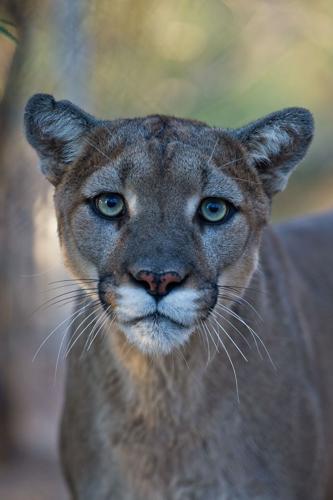
This photo of a female mountain lion in Arizona is featured in a lawsuit filed Aug. 7 against state wildlife officials over the regulated hunting of the cats.
“Arizona’s state-sanctioned killing of kittens and juvenile mountain lions is barbaric, unsustainable and illegal,” said Silver in a written statement. “State law requires the Game and Fish Commission and Department to put science and public trust first rather than the whims of the mountain lion sport hunters and ranchers. It’s time to end this slaughter and ensure that mountain lions will continue to roam the wilds of Arizona into the future.”
Silver and company cite publicly available statistics from AZGFD showing that of the 1,937 mountain lions killed by hunters from 2018 to 2024, 41% were females and 54% were under 2 years old, not yet of reproductive age.
The lawsuit points to research suggesting that killing more than 20% of adult females in a hunting population can sharply reduce cougar numbers.
Modeling analyses by three different wildlife demographic experts each independently concluded that current levels of hunting losses will lead to steep declines in the state’s cougar population, the lawsuit states. One analysis predicts an 80% drop in mountain lion numbers over the next 12 years, while another shows the “functional extirpation” of the species from across much of Arizona in about 15 years without an influx of lions from neighboring states.

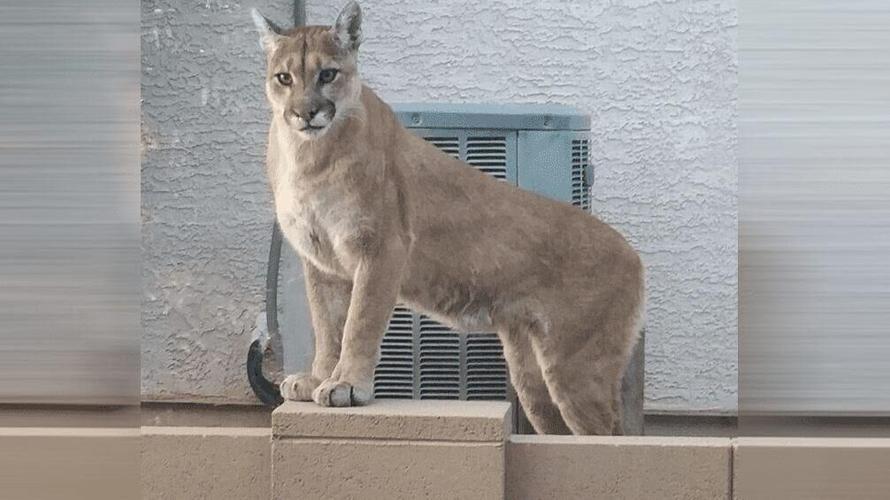
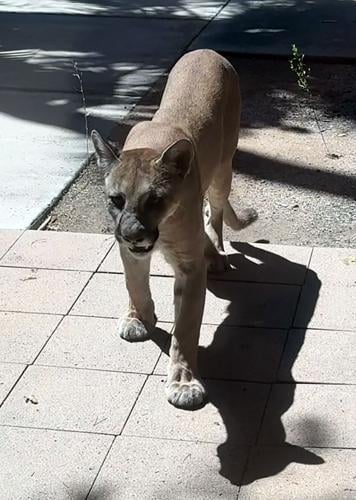
An undated photo taken by Leroy Johnson shows a mountain lion standing on the wall of a home.
Game and Fish spokesman Michael Colaianni said the department “cannot comment on pending litigation.”
On its website, AZGFD notes that mountain lions are considered a species of “least concern” across North America and are not listed as threatened or endangered in Arizona. Monitoring and modeling suggest the population is “stable to increasing,” with animals widely distributed and expanding their range “into the southwest region of the state where they were once only transient,” the website states.
The Center for Biological Diversity’s unorthodox legal filing features charts, graphs and even a photo Silver took of a mountain lion in Arizona.
There are also sworn declarations from several cougar experts, including Ron Thompson, a former state lion biologist for Game and Fish who said he agrees with the conclusions reached by the demographic analysts commissioned by the center.
“Under the current AZGFD mountain lion sport hunting strategy, the mountain lion population in the State of Arizona will be unsustainable, nonfunctional and nonviable in the near future,” Thompson says in his declaration.
He goes on to argue that cougar numbers are unlikely to be boosted by immigration in the future, as lions are increasingly prevented from moving into Arizona by overhunting in neighboring states and man-made barriers such as highways, rail lines, fenced aqueducts and, in the case of Mexico, the expanding border wall.

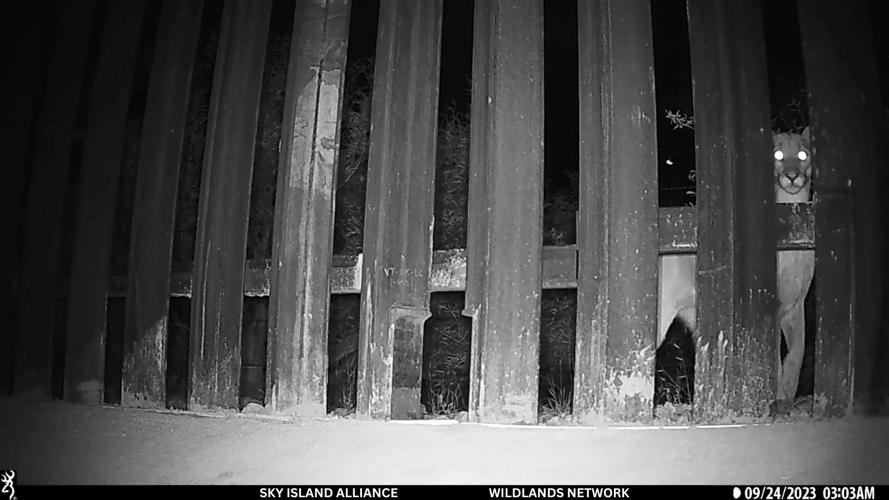
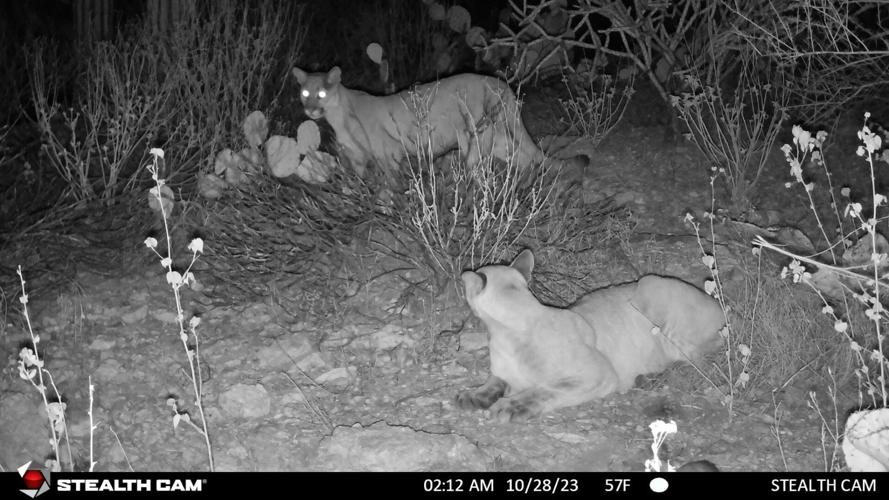
A trail camera set up by researchers catches a mountain lion looking through the border wall in Arizona in 2023. Their study showed that adult mountain lions can't fit between the steel bollards but are able to cross through special ground-level wildlife openings like the one at the center of the image.
Hunting the cats in Arizona requires a valid hunting license and a mountain lion tag, with a bag limit of one animal per hunter in a calendar year. It’s illegal to kill a female with kittens or kittens young enough to still have their spots.

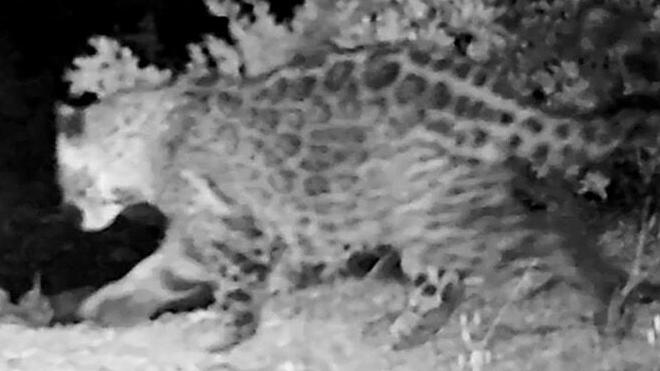
Two young mountain lions returned to the scene of a kill in Sabino Canyon in 2023, helping officials with Coronado National Forest determine the predators were behind the killing of a doe.
The Arizona Game and Fish Commission has divided the state into 15 regional zones, each with its own unique harvest threshold that triggers the close of the season once the number has been met there. The zone that includes Tucson, for example, has a harvest limit of 46 lions this season across an area stretching from the eastern boundary of the Tohono O’odham Nation to the New Mexico border and from Interstate 10 north to the San Carlos Apache Indian Reservation.
Hunters are required to report any mountain lion they take within 48 hours and present the carcass within 10 days for physical inspection by a state game officer, who will collect age, sex and other biological data.

A mountain lion that wandered into the courtyard at Tucson Medical Center in 2024 and had to be tranquilized and released back into the desert.
AZGFD uses that harvest information to estimate the total number of cougars in the state. According to the department’s website, Arizona averaged 2,876 animals from 2004 through 2020 with “no indication of population decline.”
Cougar hunting season is slated to start Aug. 21 and last through May 31 across Arizona, excluding tribal lands. The statewide mountain lion quota for the upcoming season is 338.



 Organ Pipe monument closes roads to clear path for 2nd border wall construction