

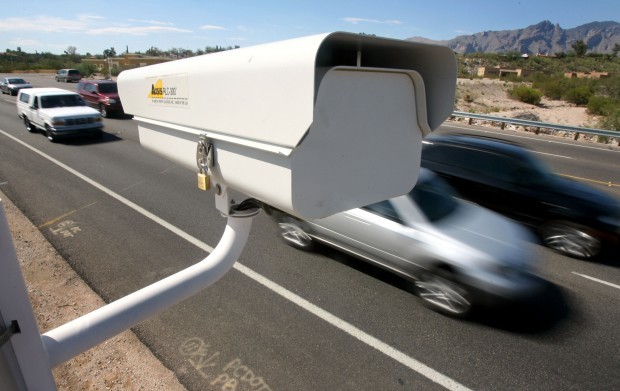
PHOENIX - Arizona voters will not get a chance to drive a stake through the heart of photo radar, at least not this year.
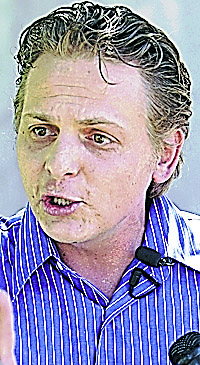
Shawn Dow, chairman of Arizona Citizens Against Photo Radar, said Thursday that volunteers for his group had collected about 120,000 signatures to put the question of banning photo enforcement of traffic laws on the November ballot. He needed 153,365 valid signatures.
But Dow said the effort to kill photo radar is not dead. He said members of his organization already are working to put photo enforcement on the ballots of cities that have the systems. Dow said the signature requirements for city initiatives are less stringent than those for statewide measures.
Dow said it is "impossible for an all-volunteer organization to get something on the ballot." Virtually every measure that has qualified for the statewide ballot in the last decade has used paid circulators.
People are also reading…
Some Arizona communities have been using photo enforcement for years to nab speeders and/or red-light runners by using cameras that snap their pictures, which are then attached to the citations that are generated.
But the controversy took off two years ago when then-Gov. Janet Napolitano pushed through legislation to create a statewide photo-radar system. Napolitano said then that the only issue was safety.
She acknowledged, though, that the program was set up in a way to generate the most revenue: Drivers who did not fight the citations and simply paid the $165 fines up would not have the violations reported to their insurance companies and would not accumulate points on their driving records. And the contract was set up so that Redflex Traffic Systems, the private vendor, got a share of every ticket paid.
Jan Brewer, who became governor last year after Napolitano resigned, has directed the state Department of Public Safety not to renew the two-year contract with Redflex when it expires later this month. But none of that affects locally operated systems, which can continue to operate unless and until lawmakers or voters say otherwise.
The failure of the petition drive led to some harsh criticism of Dow by Andrea Garcia, an organizer of Camera Fraud - a related group whose members had agreed to help gather the necessary signatures. She chided Dow for keeping the number of signatures gathered a secret until now. Garcia said that if she had known how far short of the goal the petition drive was, she could have helped to spur volunteers to do some extra work.


