
JEFFERSON CITY • Missouri’s highway spending boom of just a few years ago is about to hit a major speed bump.
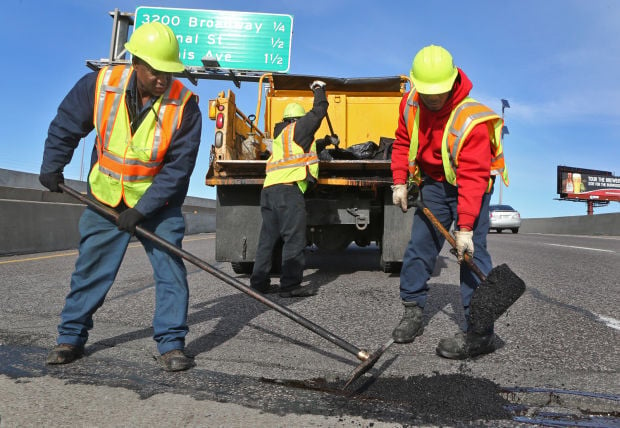
State officials warned Thursday that scarce funding threatens the Missouri Department of Transportation’s ability to maintain its far-flung highway and bridge network.
MoDOT Director Dave Nichols said the state’s construction budget would dip to $585 million next budget year from this year’s level of $685 million, before dropping to $325 million in 2017 and beyond.
“We have started to fall off the cliff,” Nichols told a lunch crowd that turned out here for the annual Missouri Conference on Transportation.
Nichols blamed a number of factors for the scarcity of funds. Among them are erosion in the buying power from Missouri’s share of the state and federal gasoline tax, the escalating cost of construction materials and debt service on Amendment 3 bonds.
People are also reading…
Nichols said it cost roughly $485 million a year just to maintain the status quo on state highways and bridges.
By 2020, Nichols warned, there won’t be enough state money to match federal funds, resulting in loss of already-scarce Washington dollars to other states.
Earlier this month, the Missouri Highways and Transportation Commission decided against adding any new highway projects to the five-year statewide funding plan, and suspended a cost-share program with cities and counties that helped finance local transportation needs.
“Think of it as a pipeline,” commission chairman Joe Carmichael said of the five-year transportation spending plan. “What’s in the pipeline is in the pipeline. But we’re not going to add anything new to the pipeline because we don’t see how we’re going to pay for it.”
Carmichael said the state was moving toward a focus on ongoing maintenance only. MoDOT derives approximately 70 percent of its construction budget from state and federal fuel taxes. Gasoline sales have fallen as people drive less and cars become more fuel-efficient.
Shrinking gas tax income can’t keep pace with the rising costs of concrete, steel, asphalt and fuel, transportation officials warned.
In a press briefing, Nichols added that Missouri was paying roughly $300 million a year to repay Amendment 3 borrowing. Passed by voters in 2004, the amendment shifted gasoline taxes to pay off bonds for highway construction and repair. It also moved revenue from motor vehicle sales taxes to a highway fund over a four-year period.
Unless new funding materializes, Nichols said, large-scale projects will go wanting. He stressed that projects already in the state’s five-year plan would be delivered as promised.
State Rep. Dave Hinson, R-St. Clair, has introduced a bill that would ask voters to temporarily increase the state’s sales and use tax by 1 cent to fund transportation projects. It is similar to a measure that stalled in the Legislature last year.
Ninety percent of the proceeds would be deposited in a “transportation safety and job creation” trust fund. The measure also would block toll roads and bridges. The bill is HJR68.
The Missouri Chamber of Commerce and Industry supports the measure, the group’s president and chief executive, Dan Mehan, said.
Meantime, a group called Missourians for Safe Transportation and New Jobs is advancing an initiative petition to place a 1-cent sales tax increase before voters to bankroll transportation projects.
Former highway commissioner Rudy Farber said the proposed tax would expire within 10 years, under the initiative language.
That measure already has run into opposition. The Missouri Association for Social Welfare filed a court challenge to the proposed ballot language.
Jeanette Mott Oxford, the association’s executive director, said in an interview that the group also opposed the proposed means of funding highways, ports, bridges and public transportation needs through such a tax.
Forty percent of Missouri households have incomes less than $31,000, she said, and those citizens are paying nearly 10 percent of their income in state and local taxes.
“You don’t do that through a regressive sales and use tax that winds up increasing the burden on those least able to pay,” she said.

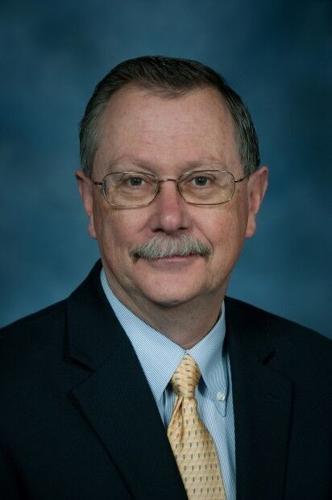
Dave Nichols was named director of the Missouri Department of Transportation on April 2, 2013. Photo courtesy MoDOT.
Ken Leiser is the transportation writer at the Post-Dispatch. Read his Along for the Ride column online and every Sunday in the newspaper.