Democratic contenders already are jockeying for a 2028 presidential run, signaling an open race with no clear party standard-bearer in the fight to succeed Republican President Donald Trump.
No one formally entered the race, but governors, senators and former candidates are fanning out to traditional early voting states, courting donors and rolling out books — familiar steps toward a White House run against Republicans’ eventual nominee to succeed the term-limited Trump.

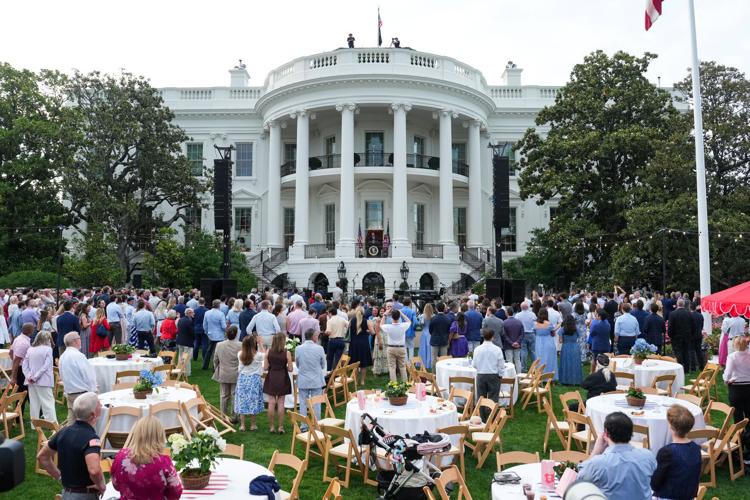
Guests watch U.S. President Donald Trump speak May 19 during the Congressional Picnic at the White House in Washington, D.C.
The Democratic nominating contest will take shape after the midterm elections this November.
Here are those generating the most buzz, grouped by category and listed alphabetically.
Governors
Several Democratic governors are seen as potential contenders, drawing early attention through travel, fundraising and growing national profiles.
People are also reading…

Beshear
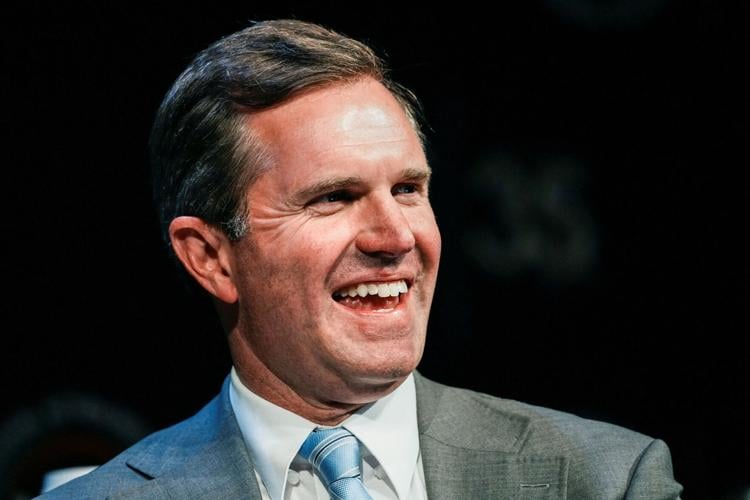
Andy Beshear: The Kentucky governor became chair of the Democratic Governors Association this year, giving him a platform to promote his record in a heavily Republican state. He has more than $1.2 million in his political action committee and has visited South Carolina, likely a key early primary state. He was elected twice in a state Trump won by more than 30 percentage points in 2024. However, he is not well known outside the state, and his more bipartisan approach to politics may not appeal to Democratic primary voters. Opinion polls show many believe their party does not fight hard enough against Trump and his policies.

Newsom
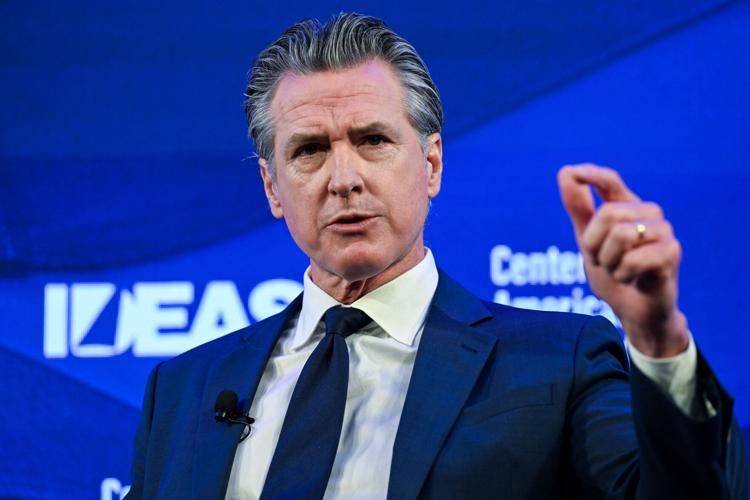
Gavin Newsom: California's governor built a national profile through sharp criticism of Trump, released a memoir in February and recently visited South Carolina. He has more than $4 million in his political action committee, according to Federal Election Commission data. However, his state has some of the highest gasoline prices, taxes and homelessness rates in the U.S. — issues Republicans would likely seek to capitalize on if he ran.

Pritzker
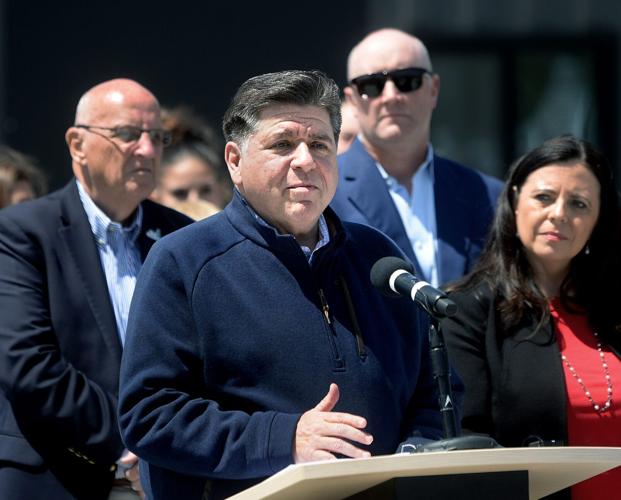
J.B. Pritzker: The Illinois governor said in April he was focused on his 2026 gubernatorial reelection campaign, but he traveled to likely early primary states including New Hampshire and Nevada and has not ruled out a presidential bid. He gained a national profile by criticizing Trump's deployment of National Guard troops and federal immigration agents to U.S. cities. An heir to the Hyatt hotel empire, Pritzker is a billionaire, giving him the ability to be less reliant on donors. However, his wealth could open him to attacks from rivals casting him as out of step with voters facing economic hardship — or overly reliant on his personal fortune.

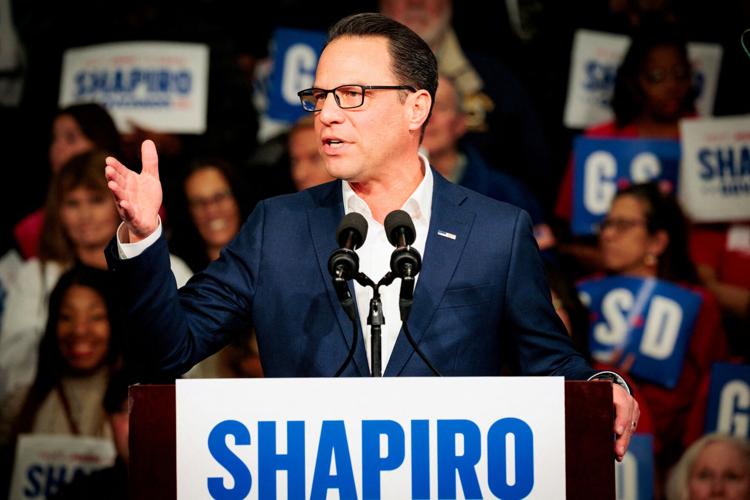
Shapiro
Josh Shapiro: The Pennsylvania governor released a memoir this year and has about $36 million cash on hand for his gubernatorial reelection bid this November. He's a popular governor in a key presidential swing state that Trump won in 2024. Shapiro, who is Jewish, is viewed as a pro-Israel Democrat at a time when criticism of Israel is rising among Democrats over Israel's wars in Gaza and Iran, although he opposes the U.S.- and Israeli-led war against Iran.
Others: Maryland's Wes Moore, though he said he is not running, and Michigan's Gretchen Whitmer, who played down the prospect.
Past candidates
Two Democrats with prior presidential runs have taken early steps or openly discussed another bid.

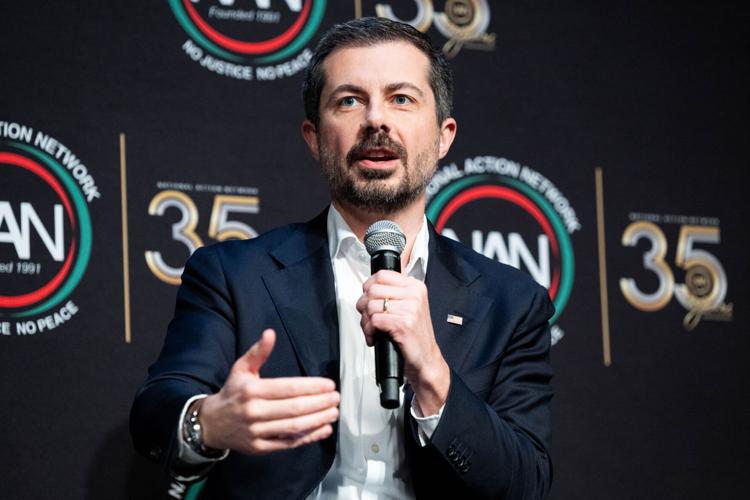
Buttigieg
Pete Buttigieg: He was transportation secretary under Democratic President Joe Biden. He has more than $5 million in his political action committee and traveled to the potentially early nominating states of Iowa and New Hampshire. He is viewed as a sharp debater and isn't afraid to criticize Republicans on their own turf, including on the conservative Fox News channel. In his unsuccessful 2020 bid to become the Democratic nominee, he performed poorly with Black voters, a key party voting bloc. He has little executive experience, having served only as mayor of South Bend, Ind., before becoming a Cabinet secretary.

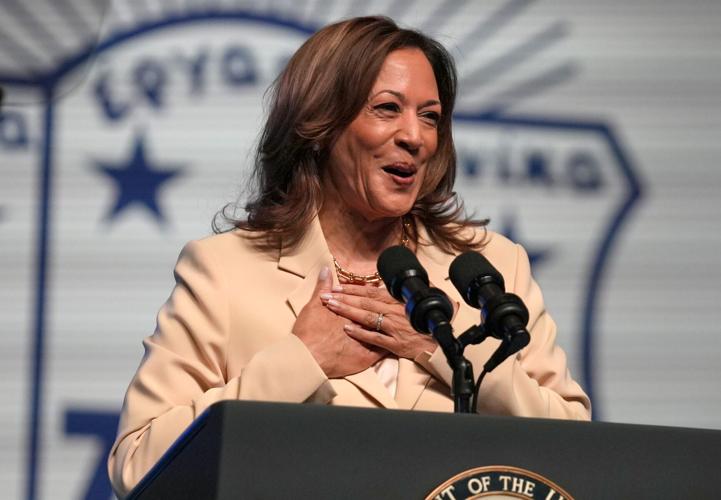
Harris
Kamala Harris: The former vice president has been the most explicit about running again after losing to Trump in 2024. "I might. I might. I am thinking about it," she said in April. She has high name recognition and polled well among Democratic voters in early 2028 surveys. If she runs again, it would be her third presidential bid; candidates who previously ran and lost are often viewed skeptically by primary voters. Her ties to Biden also may be problematic as some Democrats argued that his delayed exit from the 2024 race hurt the party’s chances.
US Senators
A number of Democratic U.S. senators fueled 2028 speculation, though only one drew sustained early scrutiny.

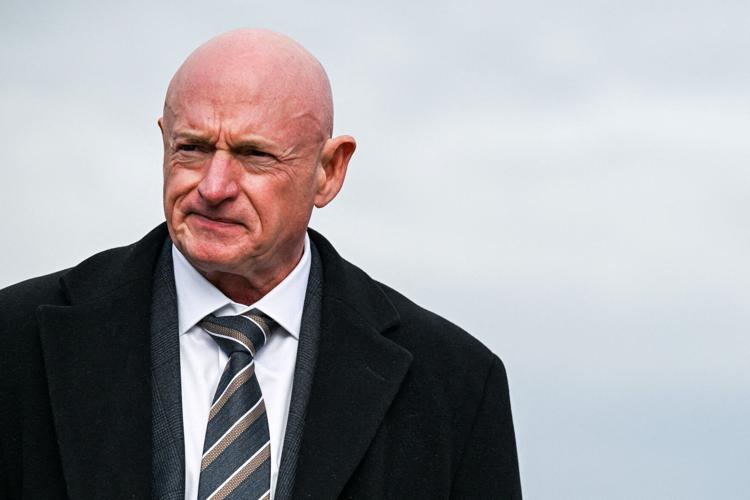
Kelly
Mark Kelly: The retired NASA astronaut and U.S. Navy pilot has the largest cash stockpile of any potential 2028 Democratic candidate — more than $22 million in his principal congressional committee, according to FEC filings. He visited South Carolina and Iowa, and hasn't ruled out a 2028 run. He won elected office in Arizona, a presidential swing state. He has credibility on gun reform as the husband of former U.S. Rep. Gabby Giffords, who survived a 2011 assassination attempt. However, he may be too moderate for a Democratic primary, which tends to attract more progressive voters.
Others: Arizona's Ruben Gallego, Connecticut's Chris Murphy, Georgia's Jon Ossoff and New Jersey's Cory Booker.
Progressives

Ocasio-Cortez
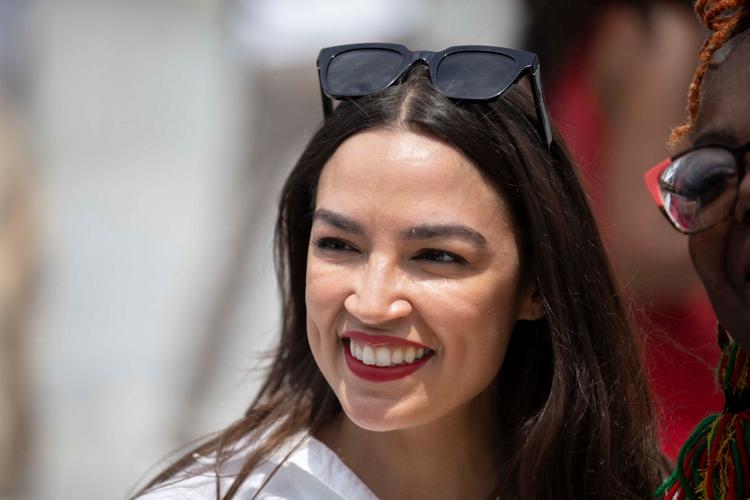
Alexandria Ocasio-Cortez: The U.S. representative from New York, who identifies as a democratic socialist, is one of the country's most prominent progressives and is seen as the likeliest heir to the movement that U.S. Sen. Bernie Sanders, I-Vt., built through his two presidential campaigns. When asked in a May interview about her presidential ambitions, she did not rule out running. "My ambition is to change this country," she said. She is popular with many Democratic voters and regularly draws enthusiastic crowds at her public appearances. Republicans frequently portray her as a leading figure on the party's left flank, pointing to her support for taxing the rich and government-funded programs.
Another possible contender: Ro Khanna, a U.S. representative from California, who said in March he will decide on a bid after November.
Others

Emanuel
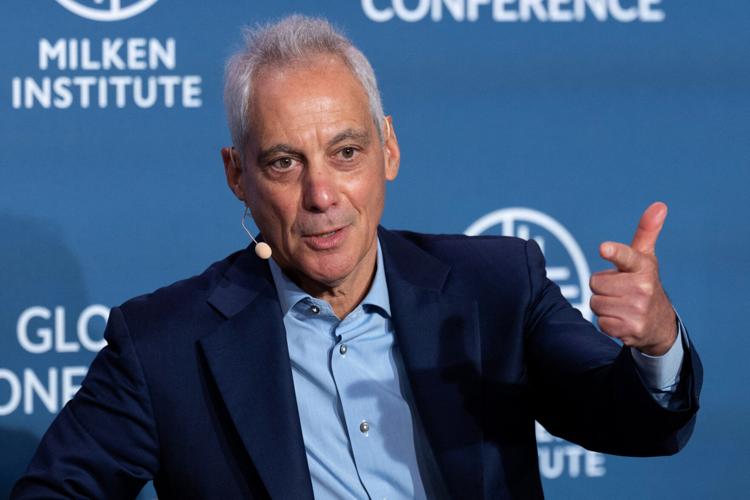
Rahm Emanuel: He served as a U.S. representative from 2003 to 2009, White House chief of staff to President Barack Obama from 2009 to 2010, mayor of Chicago from 2011 to 2019 and ambassador to Japan from 2022 to 2025. In June 2025, he said he was considering a presidential run and since argued in media appearances that the party’s moderate wing needs renewal. He polls at about 1% among likely Democratic primary voters.
History suggests early polling and conventional wisdom can be misleading. Trump registered about 1% support among Republican primary voters when he launched his 2016 bid, while Bill Clinton polled below 1% in early Democratic surveys before winning the presidency in 1992.