The following is the opinion and analysis of the writer:

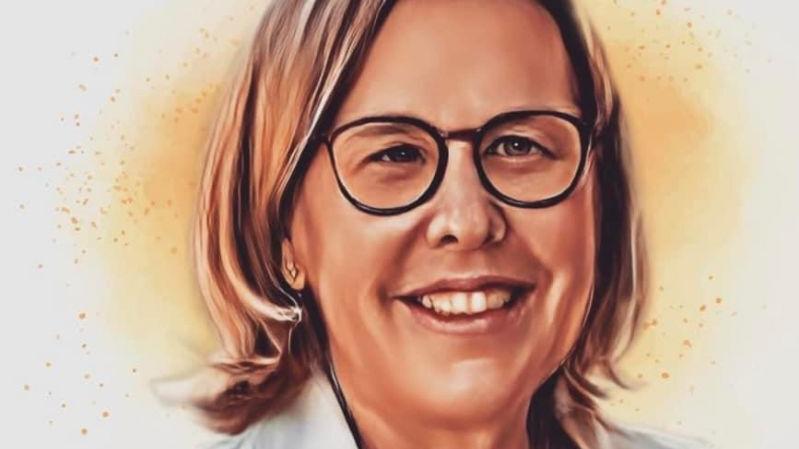
Barry Adams
Walking through the front doors of a funeral home is something most of us will do in our lifetime. Doing so signifies lives transformed forever. Funeral homes reflect our common humanity, our shared vulnerability, and force contemplation of the inevitable awesomeness of death.
Experiencing the vise-grip of loss and grief, the forced consideration of the future forever changed, explains why most of us don’t give much thought to those who provide funeral services, or how doing the work affects those who do it. The work of funeral service begins by establishing trust while offering support, specialized knowledge, and expertise to the recently bereaved so that immediate, complex decisions can be made.
However, knowledge, experience, and expertise are not surrogates for the capacity of the human heart. I know because I work in a network of Tucson funeral homes, a mortuary transport service, and a crematorium.
People are also reading…
Working on the front lines of funeral service allows me to be an acute observer of those who provide after-death care for both the dead and, and much more so, for their grieving families. One only needs to have attempted trying to comfort someone living through the hell of tragedy, loss, and grief to appreciate those who do it every day, sometimes several times a day.
Funeral directors, embalmers, cremationists, funeral arrangers, attendants, office managers, administrative assistants, drivers, and housekeeping staff make up many funeral service enterprises. Regardless of role, bearing witness to grief is an ever-present part of our daily work.
Like the tendency to look at a car crash on the highway, those of us who work in funeral service are compelled to see the loss and suffering of those we serve. Why? Because not all death is peaceful. Death does not always come at the end of a long life well-lived. Death is often untimely, enveloped in human tragedies that bequeath suffering and leave entire lifetimes to long for what might have been.
According to IBISWorld, a global industry research company, there are 105,296 funeral service workers in the U.S. as of 2023. It’s impossible to try to even imagine that embalming a child, comforting parents, handling a decomposed body not discovered for several days after death, or burying more than one member of the same family (such as can happen in a car accident, fire or murder scenario) does not affect those who do all of this for a living.
Those realities demand that we talk to each other about them, because we see our own losses, personal tragedies, and grief in those who walk in our front door every day. That is precisely why many of us choose funeral service work.
Yet, a search of online articles examining funeral-home work revealed that most focus on the “$23 billion funeral home industry,” the rising costs of cremation and other funeral home services for consumers and, of course, the sensational, yet exceedingly rare, scandals that involve horrific betrayal of public trust.
Also not uncommon is the charge that funeral directors realize profits by selling products and services to a pubic made vulnerable by their sudden grief. Rarely included are the relentlessly rising costs of labor, caskets, vaults, myriad essential supplies, equipment, maintenance and repair, insurance, and fuel. (A single cremation requires temperatures of up to 1800 degrees Fahrenheit for two or more hours.) There is a dearth of articles that discuss the experiences of the people who provide funeral service.
If the very nature of funeral service work is not enough, consider the financial compensation. According to the U.S. Bureau of Labor Statistics, the mean annual wage for the majority of funeral directors who provide death care services is only $58,020. The median annual wage is only $51,030. For embalmers, annual wages are even less. For most other funeral service workers, much less.
The daily challenge of effectively sustaining compassion, and maintaining composure, along with the relatively meager salaries of even the highest paid in the profession, demand that we take a much closer look of funeral service work and the professionals who do it, including the inherent capacity of the human heart.
Follow these steps to easily submit a letter to the editor or guest opinion to the Arizona Daily Star.
Barry L. Adams, a resident of Tucson, is a retired registered nurse. He earned a PhD from Brandeis University studying the meaning and organization of work and the sociology of professionalism.