

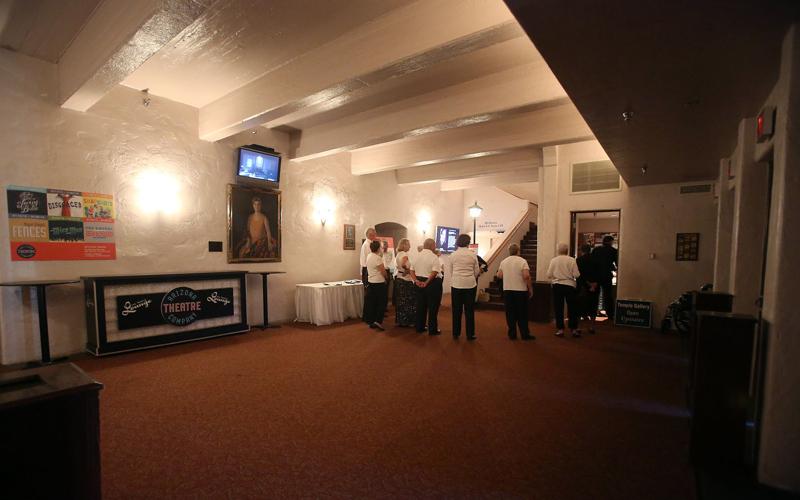
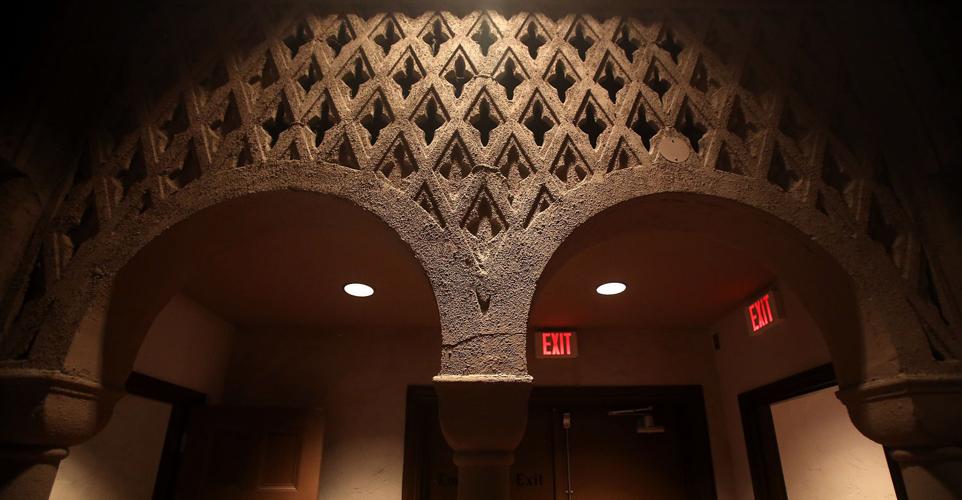
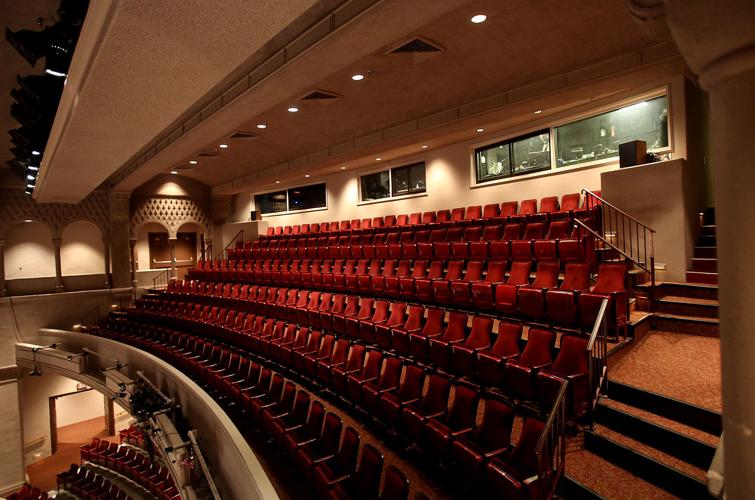
More than 1,000 Southern Arizonans turned out in October 1927 to witness the dedication of Tucson’s newest home for high culture — the Temple of Music and Art.
The exuberant crowd “packed the auditorium, jammed the foyer and flowed out into the patio,” wrote Bernice Cosulich, a prominent journalist at the time, working for The Arizona Daily Star.
Speeches given by community leaders at the big event elicited “bursts of enthusiasm” and “ringing applause,” she added.
The building was a welcome addition to downtown, designed by architect Arthur W. Hawes, known best for his work on the Pasadena Playhouse in Southern California.
The Temple was the pet project of socialite Madeline Heineman Berger and her Saturday Morning Music Club, a women’s group whose members shared a common love for the arts.
People are also reading…
More than $195,000 was raised and invested in the original property. It was constructed in the Spanish Colonial Revival style, with a main auditorium that seated more than 900.
Its arrival was a big deal to many, said Sonja Reinhardt, the venue’s current house manager and expert.
“Downtown was very small at the time, but people were beginning to think bigger,” Reinhardt said. “There was an excitement for something this new and important.”
Still an arts center
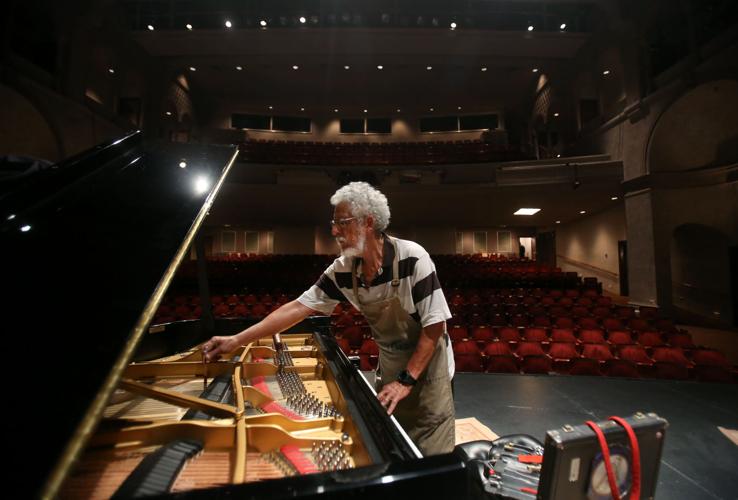
After nearly 90 years and several incarnations, the Temple of Music and Art continues to serve as a beacon for creativity downtown.
Since 1990, the venue has been the Tucson home for the Arizona Theatre Company, which leases the property from the city as the managing tenant and presents productions throughout the fall and spring seasons.
Its current play, “Hershey Felder as Irving Berlin” holds its final two in-town performances Sunday, Oct. 4 before moving on to Phoenix. Its next production, “Disgraced,” kicks off on Oct. 17.
Starting Thursday, Oct. 8, the Temple will play host to the inaugural Tucson Festival of Films, a three-day showcase of some of the top flicks picked from eight annual Tucson festivals, including the Native Eyes Film Showcase and the Tucson Film & Music Festival.
Screenings will take place in the main auditorium and the Temple’s smaller, Cabaret Theatre, a rental space for community troupes such as Borderlands Theater and Arizona Onstage.
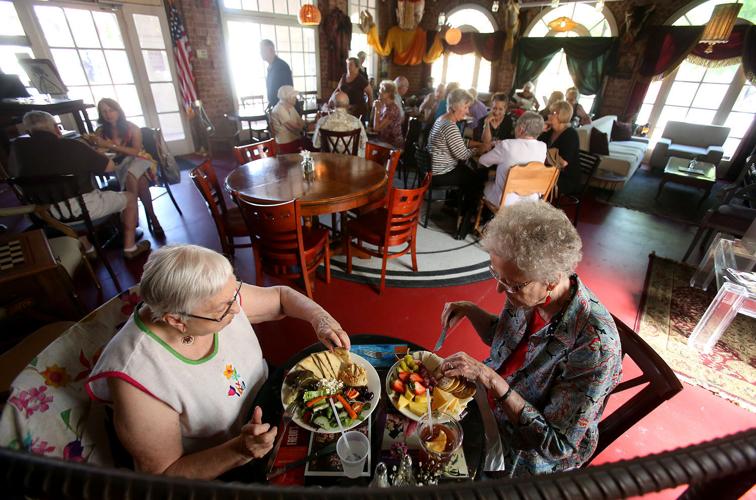
The upstairs Cabaret, located on the southeast end of the facility, is above the original tea room (now the brightly decorated Temple Lounge) and was used in its early days as a room for recitals, auditions and smaller performances.
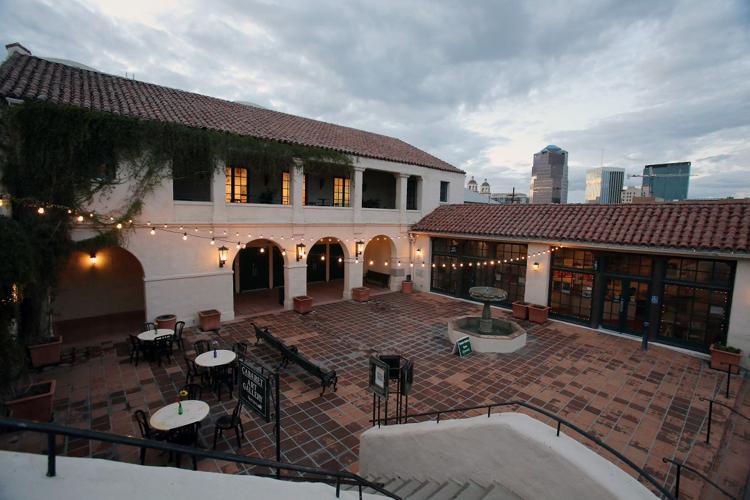
Film festival patrons will be able to relax between showings in the Saltillo-tiled courtyard, which is nearly identical to how it looked when first constructed. The courtyard serves as the festival lounge, complete with live music, food and drink.
“The Temple is one of Arizona’s oldest cultural centers and such a beautiful building,” said Kerryn Negus, who is co-producing the event. “It is right in the heart of downtown, making it easily accessible to a lot of people.”
Like the festival, the Temple has its share of stories to tell, starting with the amount of talent that has performed within its walls.
Violin virtuoso Jascha Heifetz celebrated the TMA’s opening in 1927 with a sold-out performance. He would return two more times during his career.
John Philip Sousa’s Band made an appearance, as did the Vienna Boys Choir, choreographer Martha Graham and German operatic singer Ernestine Schumann-Heink.
Cinema played
an early role
Hard economic times in the late 1920s, resulted in the building being leased out as a movie theater, screening the latest “talkies” to come out of Hollywood.
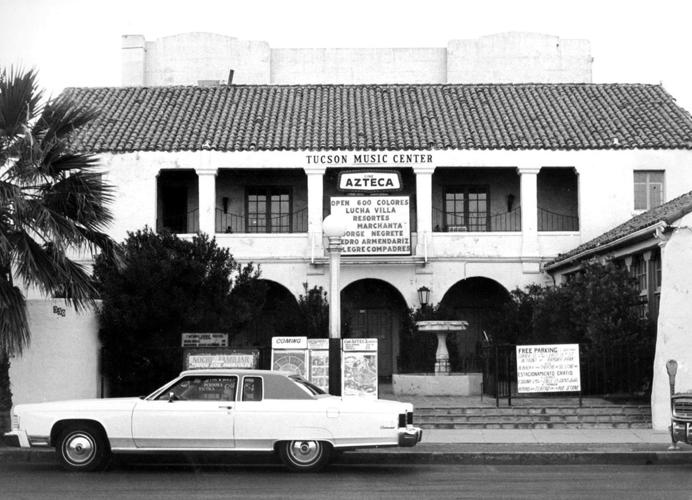
In the early 1970s, the facility was sold, one of many turnovers over the course of its lifetime, and converted into a Spanish language movie theatre, dubbed Cine-Azteca. It operated as such for four years before converting back into a performing arts space.
The venue meant different things to different people.
Reinhardt remembers taking waltzing lessons in the art gallery above the Temple’s main entrance in the 1950s.
One of her earliest exposures to the Temple stage was when she was 10 years old, playing the lead role in the Tucson Children’s Theatre production of “Sleeping Beauty.”
“Celebrations and events of all sorts were held there,” Reinhardt said. “The Temple was a true gathering place.”
Despite the impact it had on people’s lives, the Temple never gained the financial stability that its founders had desired.
The Saturday Morning Music Club constantly struggled to keep the facility afloat. Subsequent owners would come and go, all the while letting the venue fall deeper into disrepair.
In 1985, the Temple was condemned for more than 30 building and fire safety violations.
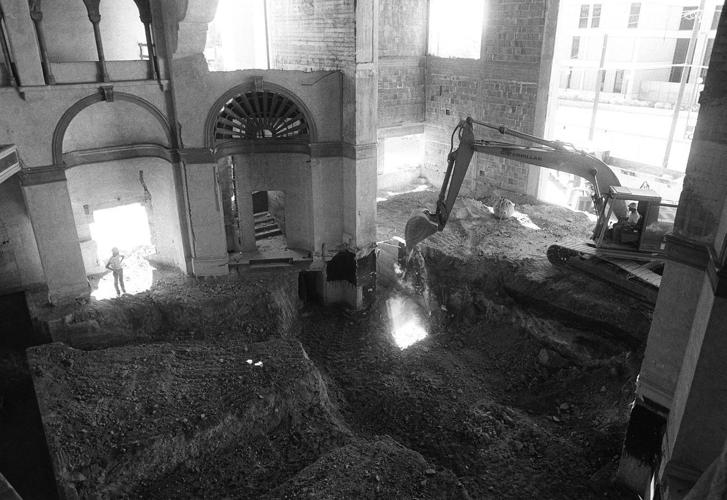
Rather than tear it down, the city acquired the space the following year, with a plan to restore and rehabilitate. More than $2.6 million was invested to bring the cultural center back from the ashes.
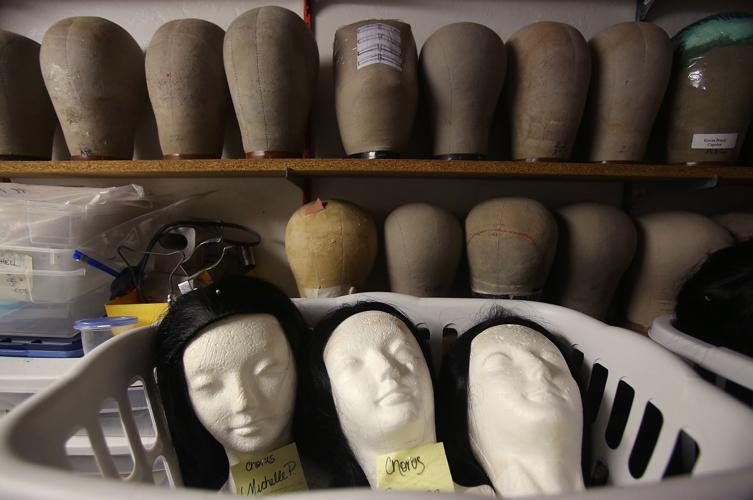
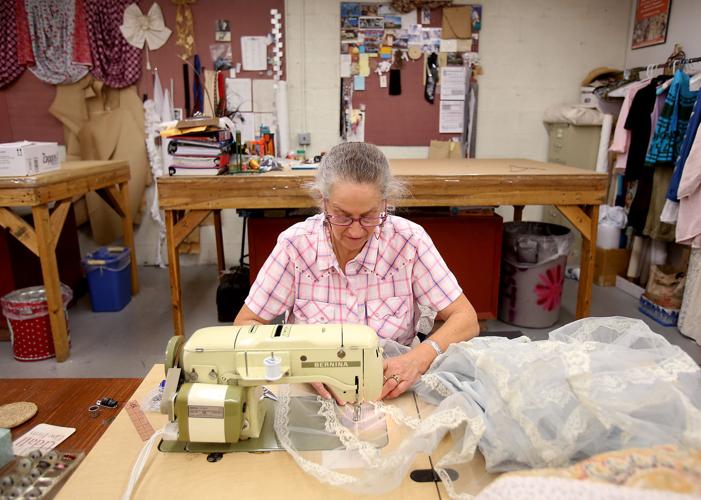
Among the long list of improvements: The addition of new dressing rooms, a costume shop, green room and rehearsal spaces, as well as wider seating in the auditorium and the raising of the proscenium arch above the stage.
The city leased the property to the Arizona Theatre Company, which had previously held court at the Leo Rich Theatre, part of the Tucson Convention Center complex.
David Ira Goldstein, artistic director of ATC since 1992, said the Temple has proven to be the perfect home for the company.
“It is a welcoming, comfortable place for our audiences,” he said. “It is an ideal venue for the kind of work we produce, providing exceptional sight lines and excellent acoustics. It is a beautiful historic venue that lends distinction to downtown.”

 Tucson's newest Shake Shack gets neighbors

