

I see adult children wondering whether a parent's forgetfulness is part of normal aging or something more. I see spouses quietly taking on more responsibilities at home. I see families grieving gradual losses while still showing up every day with love, patience and hope.
I know some of that feeling personally.
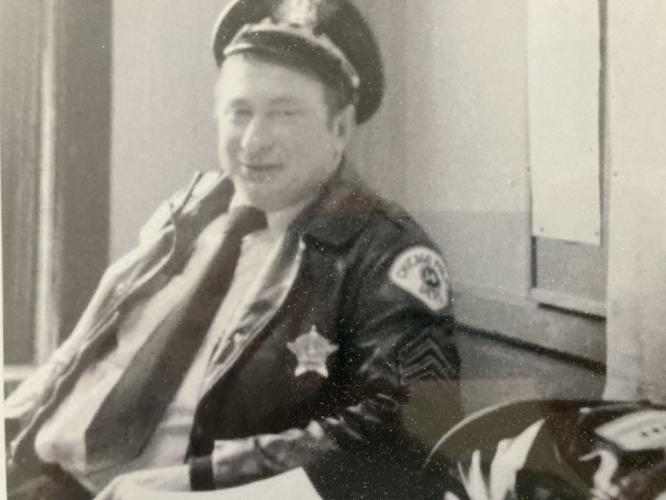
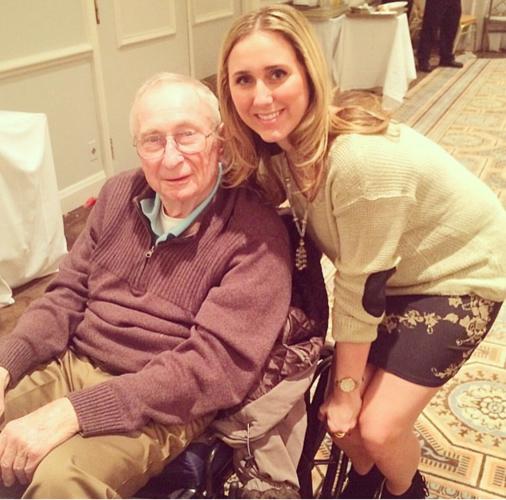
My grandfather, James Collins, was a Chicago police officer. He was tough, compassionate and deeply devoted to his family. When I was in high school and considering a career in medicine, he was diagnosed with a rare form of dementia. Over nearly a decade, I watched the disease slowly change the man I knew. His personality shifted. His mannerisms changed. Eventually, his ability to recognize and navigate the world around him faded.
That experience didn't just influence my decision to become a physician, it shaped the way I care for older adults and their families every day.
People are also reading…
Today, as a primary care physician with Optum - Arizona, I care for many older adults and their families. More often than not, when someone comes to me with concerns about memory loss, I find myself thinking not only about the patient, but also about the person sitting beside them. Because dementia affects entire families, not just individuals.
And it affects far more families than many people realize.
In Arizona, an estimated 152,000 people age 65 and older are living with Alzheimer's disease, while another 242,000 family members and friends are serving as caregivers. Together, they provide nearly 379 million hours of unpaid care each year. Nationally, the number of people living with Alzheimer's is expected to nearly double, from 6.9 million in 2020 to almost 14 million by 2060.
June is Alzheimer's & Brain Awareness Month, but for caregivers, awareness isn't limited to one month. It's part of daily life.
One of the questions I hear most often is: How do I know if this is normal aging or something more?
While some changes in memory can occur with age, Alzheimer's disease is not a normal part of aging. More concerning signs may include memory loss that disrupts daily life, difficulty managing finances, trouble completing familiar tasks, poor judgment, misplacing things and being unable to retrace steps, or noticeable changes in mood, personality or behavior.
That doesn't automatically mean Alzheimer's disease. Many medical conditions can affect memory and thinking, some of which are treatable. But if something feels different, trust your instincts and start the conversation with a healthcare provider. An evaluation can help determine whether symptoms are related to Alzheimer's disease or another condition.
I often tell families that while we are still searching for a cure, there is much we can do. Earlier diagnosis can create opportunities for treatment, planning, safety discussions, support services and meaningful time together. It allows families to make decisions proactively rather than in the middle of a crisis.
I also want caregivers to hear this: some of the behaviors that hurt the most are often symptoms of the disease itself. When a loved one becomes confused, suspicious, withdrawn or quick to anger, it can feel deeply personal. Understanding that dementia may be driving those changes can help families respond with greater compassion—for their loved one and for themselves.
There are also steps people can take to support long-term brain health. Regular physical activity has been associated with slower cognitive decline. Staying mentally engaged through reading, puzzles and social interaction can help keep the brain active. A healthy diet rich in fruits and vegetables, along with limiting alcohol and avoiding tobacco, may also support cognitive health.
And caregivers deserve support, too. The reality is that many caregivers are balancing careers, children, marriages and their own health while caring for someone they love. They need education, respite, practical resources and permission to ask for help. That's one reason I'm encouraged by community-based programs designed to support brain health, emotional wellbeing and cognitive engagement, including Minds in Motion, offered through Optum Community Centers.
Every day in my practice, I see remarkable acts of devotion from caregivers. I see people showing up for appointments, managing medications, coordinating care and advocating for loved ones through incredibly difficult circumstances. Their work often goes unseen, but it matters more than they know.
My patients sometimes remind me of my grandfather. Those moments are never easy, but they remind me why I chose this path and why these conversations matter.
So to every Alzheimer's caregiver reading this: I see you. Your work matters. You are not alone. And there are people ready to help carry the weight with you.
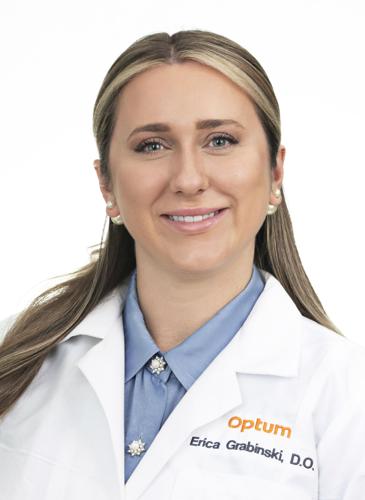
Dr. Erica Grabinski is a primary care physician with Optum — Arizona.


