Tick season is ramping up faster than it has in years — and sending more Americans to the emergency room.
This can be seen in data from the Centers for Disease Control and Prevention's Tick Bite Data Tracker, which tracks tick bite-related emergency room visits across the country.
Weekly numbers are large for this time of year, according to the data, with about 114 out of every 100,000 emergency department visits nationwide attributed to tick bites during the last week of April. This is the highest rate since at least 2017, the CDC said.
With more ticks and more bites comes a higher risk of illness, such as Lyme disease, experts warn.
Here's what you need to know to stay safe:
Know the risks

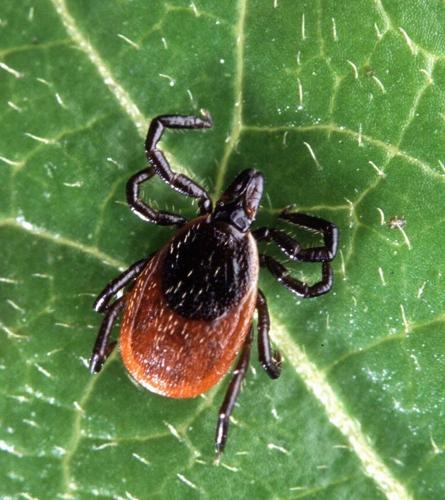
A female deer tick
Experts warn of three common misconceptions that could increase your tick risk this year: seasonality, location and exposure, especially pet exposure.
People are also reading…
The idea that "tick season" is relegated to a few short summer months is outdated — meaning you and your pets need to be protected year-round, not just when the weather is warm.
Then there's the popular misconception that you only need to be concerned about ticks after hiking a trail or spending an afternoon in the woods.
"Research shows that many disease infections stem from tick bites that occur in residential settings, so in people's own backyards," said Dr. Jim Fredericks, chief entomologist with the National Pest Management Association.
Just as important to consider are "ecotone areas," he said.
"Ecotones are these transition zones between a well-manicured lawn or grass area and a more wild area that might be shrubby or overgrown," he said. "Those are the places where ticks are going to be most likely to be found."
Then there's protecting the furry friends in your life. Even if your pet does not regularly go outside or spend time outdoors, they should still be on an anti-pest regimen and tested annually. Having an indoor-only pet does not provide innate protection against disease.
Preventing tick exposure
Because areas in and around yards and residential locations are prime for bites, Fredericks advises taking preventive steps on your own property. While Fredericks suggests consulting a specialist to tick-proof your yard, you can start by:
- Keeping grass trimmed and removing brush and leaf piles.
- Creating barriers between your property and more wild areas of brush, trees, etc.
- Using the "towel" drag method: a test in which you drag a white towel along mowed grass and inspect it for ticks every few feet.
- Asking an expert about safe lawn treatments.
If you spend time outside, you should:
- Wear repellent.
- Cover exposed skin with clothing and proper footwear.
- Remove clothing and do a tick check as soon as you return home.

How to check your body for ticks
While ticks can attach to any exposed skin, they're often found nestled in warmer, more hidden areas of the body. The CDC suggests paying extra attention to the following areas when checking for ticks:
- In and around the hair.
- Around and in the ears.
- The back.
- Underarms.
- Waistline.
- Belly button.
- Between the legs and in the groin area.
- Belly button.
- Legs and behind the knees.
- Behind or between the toes.

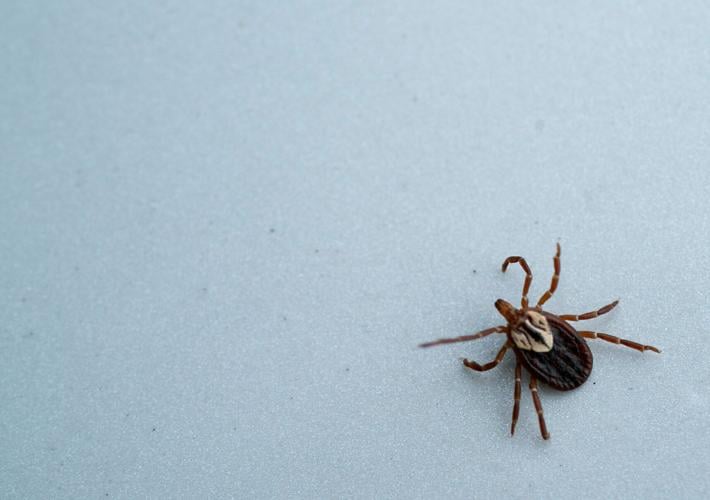
The American dog tick
How to check your pets for ticks
Our pets can carry unwanted hitchhikers buried in their fur and other hard-to-reach places. You should check your pet's entire body for ticks after outdoor time and daily as part of a standard routine.
"(The) longer that tick is on that host, biting that host, the greater the risk that if they are infected with something, they're going to transmit it," said Dr. Kathryn Reif, associate professor of parasitology at the College of Veterinary Medicine at Auburn University.
You'll want to inspect all of your pet's fur, but pay special attention to:
- The head and base of the ears.
- The abdomen (especially the underside that may brush against more flora and fauna).
- Between the toes.
- The tail, especially near the base.
- The groin.
- Eyelids.
- Under the collar.
- Under the arms.
"Work with your veterinarian to get on a monthly tick and flea protection," said Dr. Casey Locklear, veterinarian and parasiticide lead at Elanco Animal Health. "If you're in a Lyme endemic area, talk to your veterinarian about getting your dog vaccinated for Lyme disease. And be vigilant, do your daily tick check."