


Let's hear it for September and the promise of cooler weather.
Granted, the daytime temperatures still tend to scorch, but the overnight temps are cooling off. Which means it's time to plan your tree-planting projects.
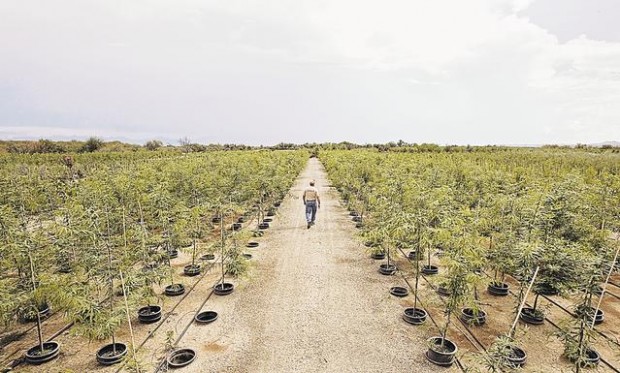
The fall is really the best time to plant trees and shrubs.
The air is cooling, but the soil is still warm enough to promote new root growth, making it easier for the newly planted tree to get established.
But planting a tree involves more than digging a hole and sticking the tree in. There's a right way to plant a tree and there's a wrong way — actually many wrong ways.
So keep these pointers in mind: Location, location
Is the place where you want a tree big enough for the tree you're considering? You have to think about the tree's ultimate size.
People are also reading…
An Arizona ash in a 10-gallon nursery pot may look small, but given time that little tree can grow to a height and spread of 30 feet or more.
So to avoid problems, you should plan accordingly and position the trees you plant far enough from utility lines, walkways, patios and your house.
To make certain you'll be digging in a spot that's free of hidden dangers, call Arizona Blue Stake at 1-800-782-5348. It will send somebody to locate and mark the underground utility lines, including electric, water, sewage and gas. Digging the hole
The hole should be just deep enough to fit the root ball into the ground, with the top roots level or slightly above the surrounding soil surface.
The hole also should be a shovel's width wider than the root ball to allow space for new roots to grow in the loosened soil. The planting
Care is required when removing the tree from its pot to avoid damage to the root ball.
Lay the tree on its side, and slide the pot away from the roots. If you have difficulty, push in on the sides of the pot to loosen it from the root ball.
Cut away any roots growing out of the pot's drainage holes.
Before placing the tree in the ground, loosen the outer edges of the root ball with a gardener's fork or another pronged device. Pull out any roots that are wrapping around the outer edge of the ball.
Large circling roots — finger-sized or bigger — should be cut off where they emerge from the potting soil.
Use the soil you dug from the hole to fill around the roots, taking care to remove any large rocks and foreign objects, such as construction debris.
Don't add organic amendments such as compost, topsoil or manure to the planting hole.
New roots must adapt to growing in the existing soil, and forming a planting hole with enriched soil inhibits root growth by creating a "pot in the ground." Roots have great difficulty growing beyond that. Watering
Use a tree well to direct water to the roots and prevent runoff. To do this, mound soil up several inches high in a circle at the outside edge of the planting hole. This ring helps hold irrigation water until it's absorbed into the roots and the surrounding soil. After the planting
Water often enough to keep the soil moist. While the weather stays warm, you may have to water daily. As it cools, gradually lengthen the intervals between watering.
Regardless of the type of tree you plant — native desert species or nondesert species — all need watering until they're established. That takes one complete growing season.
Once a tree is established, true desert species will require watering only during drought periods.
Gardening
Advice by John P. Begeman
» you can help
Now that you're an expert on planting trees, put that knowledge to use.
A local group, 1,000 Trees for Tucson, is seeking sites and volunteers to help plant 1,000 native trees on Oct. 27, which is National Make a Difference Day. The trees will come from local nurseries.
The project needs volunteers to adopt trees or to help out on planting day.
Tucson Electric Power Co. is coordinating the effort. Go to www.tucsonelectric.com for more information, or call 884-3741 until Friday.