

With April nearly upon us, the march to inevitable hot weather has begun.
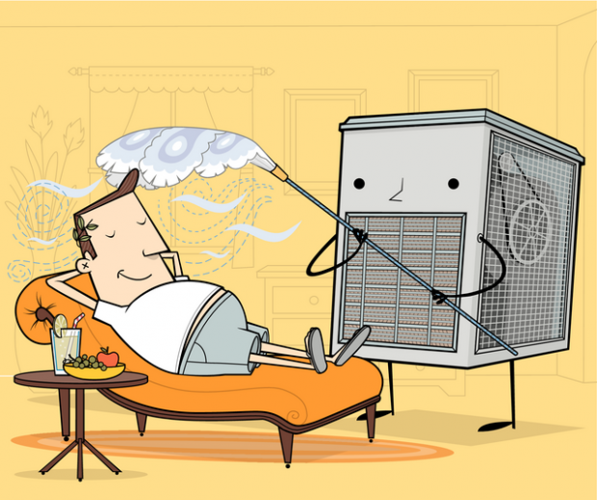
What are commonly known in these parts as swamp coolers operate on a simple principle: When moisture in the air evaporates, it reduces the temperature of that air.
In an evaporative cooler, a blower draws outside air through pads soaked by a watering system. The moisture in that air evaporates as the blower pushes the now-cooler air through a duct into the house.
Circulating water runs through the pads into a pan and then back through the pads. The system adds water when the pan level gets low.
The last major innovation in home evaporative-cooler technology occurred with single-inlet units about 15 to 20 years ago, says Frank W. Naughton, president of Naughton's plumbing, heating and cooling company.
People are also reading…
However, "the quality has improved dramatically," he says, with such changes as rust-fighting plastic parts and cooling-maximizing pads.
System accessories also have helped to improve cooler operating efficiency and maintenance. Here's a rundown on what to look for to make your old cooler run at peak efficiency or find a new cooler that does the job.
Cooler size
Coolers blow a specific amount of air into your home, measured in cubic feet per minute (CFM). They typically range from 3,000 CFM to 7,000 CFM for average home use, says Tim Dawson, general manager at Tucson Appliance Co., which also does business as Tucson Cooling & Heating.
You can help a salesperson determine what size you need by knowing either the square footage of your home or the size of the duct opening into your home. Units generating more CFM of air cost more than those with lower CFM numbers.
Pads
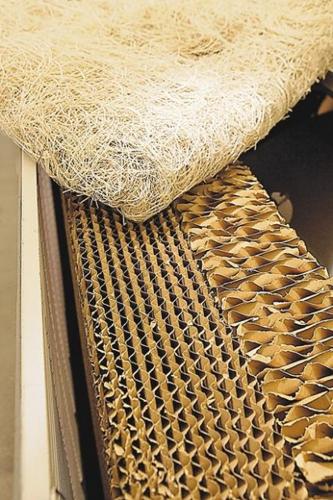
Each type of cooler uses different pads. The single-inlet cooler uses a thick cellulose honeycomb — CELdek (Naughton's: $67.95-$164.95) is one brand — that requires replacement after five to seven years.
Water media for standard coolers come in aspen bark pads (Naughton's: $2.39-$7.99), bonded paper rolls (Naughton's: $26.49 for 12 feet) or synthetic pads (Home Depot: $6.57-$8.77) or rolls (Home Depot: $30 for about 13 feet). Replace these at least twice a season, Dawson advises.
Cleaning Pumps
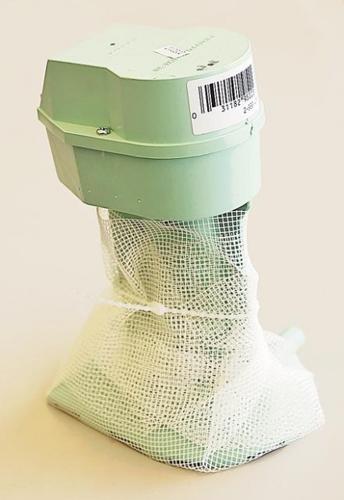
Pumps that keep fresh water in the cooler pan reduce mineral buildup and water usage. The pump, which can be installed in any cooler, drains all of the water sitting in the pan at specific time intervals, such as every 12 hours. It replaces the bleed-off system in which a little water is drained all the time so that fresh water is added to that in the pan (Naughton's: $49.95).
Cooler type
There are two types for home use, says Naughton. The standard version (Frigiking is one brand) has three or four pads that surround the blower, which sits on the water pan. They start at $275 at Tucson Appliance Co. and range from $350 to $538 at Naughton's.
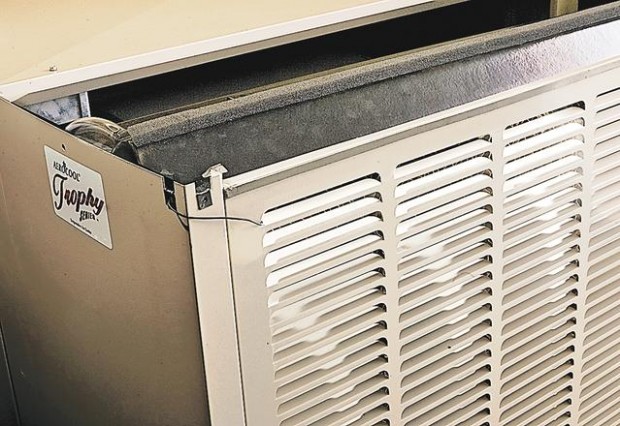
The single-inlet cooler (MasterCool and AeroCool are two brands) separates the single-pad water system from the blower system. They run $899 to $1,089 at Naughton's. The units create cooler air and require less maintenance than standard coolers.
Either type can replace an existing cooler.
Thermostats
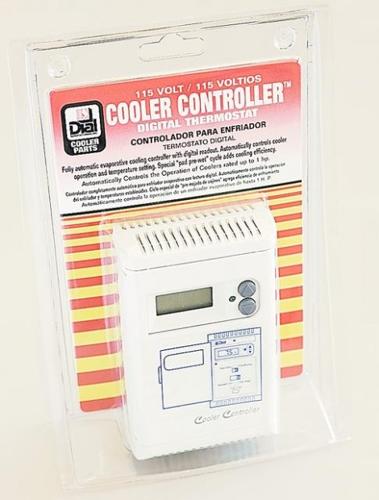
Digital thermostats can replace single- and double-speed switches for better control over cooler operation. They can turn the cooler on and off at certain times or temperatures. Some also will automatically turn the pump on first to wet the pads and then turn the blower on. (Naughton's: around $45)
Room coolers
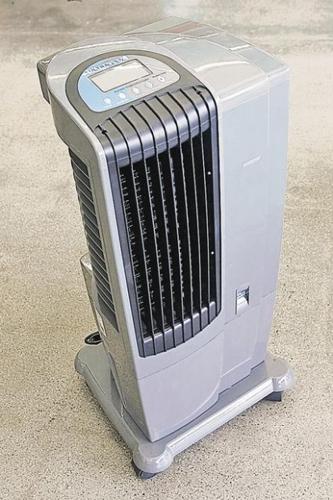
Window or wall evaporative coolers can cool single rooms or the garage. Portable coolers move around indoors or on the patio.
new coolers more efficient
Resources
• Naughton's has five locations where coolers and parts are sold. The company also offers installation packages. For information, call 293-2220 or go online at www.naughtons.com
• Tucson Appliance Co. sells, installs and services coolers but does not sell parts. Contact the store at 4229 E. Speedway, 881-1207.