


Seven-year-old tortoise Tyrion is well known for his large size and his love for dandelions.
KANSAS CITY, Mo. — Pedestrians along 63rd Street in the Brookside neighborhood of Kansas City walk by many attractions, from cozy cafes to boutique gift shops. But one must-see sight along this busy road is a large pet tortoise named Tyrion, who calls a spacious fenced yard at Oak and 63rd streets home.
"He's famous in the neighborhood," said tortoise owner Bill Kalahurka. "It seems like I'm always meeting a new stranger. They'll just come and ask a bunch of questions about him."
The Kalahurkas adopted Tyrion from a reptile show as a hatchling, back when his shell was no bigger than a softball. Baby pictures show him lounging in a small tupperware container, his owner's hand looking huge by comparison. Now, the tortoise weighs around 70 pounds and sports a shell nearly 2 feet long, turning heads in passing cars and delighting visitors of all ages.
'Game of Thrones' and dandelions
People are also reading…
Among the most common questions Kalahurka gets from passersby are the tortoise's age, favorite snacks and how old he is likely to get. He said that while Tyrion is 7 years old now, his veterinarian estimates he could live to be as old as 120.
Kalahurka wonders whether the tortoise's "Game of Thrones" name, already a bit dated in 2022, will inspire curiosity decades from now.
"It's related to the time he was born," he said of the name. "If somebody 75 years from now asks where did the name come from, you (could say) a long time ago, it was the most popular TV show for a short period of time."
Tyrion is an African spurred tortoise, a large species that gets its name from the rough spikes on its forearms. While he mainly eats grass, Tyrion's favorite snacks include cucumber, cantaloupe, strawberries and lettuce. He is partial to romaine, but eschews the taste of spinach and kale. But his most prized treat is dandelion flowers.
"Their favorite food is dandelions, that's more than any other food," said Kalahurka. "They will stop everything if you give them a pile of dandelions. They'll just go at it." He added that during peak dandelion season, neighbors are welcome to stop by the yard and toss some of the freshly-picked flowers into Tyrion's enclosure.
Not too hot for Tyrion
While Tyrion is loved by the community year-round, he isn't always visible in the Kalahurkas' front yard. During the winter months, his owners move him into a basement enclosure where he can keep warm during this low-energy season.
"During the winter, if I'm out, people will ask me when the tortoise is coming back," Kalahurka said. "So there's definitely some familiarity. There's definitely a tortoise off-season."
A popular Reddit post from 2019 showed the tortoise back outdoors after his winter hiatus, along with a large sign reading, "Tyrion the Brookside Tortoise wishes you a Happy Spring!" While the sign hasn't been displayed in recent years, neighbors see the return of the iconic reptile as a harbinger of the warmer seasons.
While cold temperatures below around 55° F don't agree with him, Tyrion's species is built to handle the heat of sub-Saharan Africa. In the hottest months of the summer, he often relaxes in one of his two wooden huts or takes a dip in his enclosure's shallow pool to cool off. His owners also add water-rich treats like cucumbers and melon to his diet to prevent dehydration.
While Tyrion enjoys his status as a minor local celebrity, he isn't the Kalahurkas' only shelled reptile. Another African spurred tortoise named Tywin lives in a large enclosure in the family's backyard.
Tywin is an older, less active tortoise estimated to be in his mid-20s. The Kalahurkas adopted him in 2019 from an acquaintance who was moving and couldn't bring him along. Tywin enjoys lounging in his large burrow and snacking on fresh produce.
Kalahurka has plans to expand Tywin's enclosure so he can roam into the front yard as well, but the two tortoises don't get along well enough to share a space.
"It's very common that male tortoises will not get along," he said. "I haven't actually put them together for a couple of years… they just butt heads. They'll try to snap at each other a little bit. (And) there's two prongs that are under the neck, (they'll) try to lock those into each other."
He added that the tortoises' contentious relationship mimics that of their namesake characters from "Game of Thrones."
While he doesn't have immediate plans to adopt another tortoise, Kalahurka didn't take the option off the table.
"If I could be guaranteed that all my tortoises were going to get along and live with each other, I would just make one big huge enclosure and let them all hang out," he said.
Photos: Dandelion-loving tortoise named Tyrion is a Kansas City celeb

Bill Kalahurkain feeds his seven-year-old tortoise Tyrion half of a banana to lure him out of his hut.

Tywin, a tortoise in its mid-20s, has banana on his face after being fed half a banana by his owner, Bill Kalahurka. Tywin is one of two large African spurred tortoises owned by Bill and Stephanie Kalahurka.

Tyrion, the seven-year-old tortoise, wanders around his large enclosure on the front lawn of his owner's home.
These 10 houseplants are safe for your pet
Keeping pets safe while adding beauty

One way to watch over your furry friends is to choose pet-friendly houseplants for your home.
While houseplants have the ability to bring life to a room and purify the air, a drawback is that many houseplants are toxic to animals. Here are 10 plants that add beauty to your home without worry.
First, keep in mind that while many plants are technically safe for cats and dogs, it’s best to eliminate temptation and place all houseplants out of reach. This will prevent possible tummy aches and digestive problems in your pets. If a pet ever does ingest a plant, make sure to watch them closely for signs of a negative reaction. Just because a plant is nontoxic for cats and dogs doesn’t mean ingesting it will make them feel good.
African violet

Photo by Sixteen Miles Out on Unsplash
Want pet-safe houseplants with blooms? Look no further than African violet. This versatile, hardworking houseplant is right at home with your pets. It comes in a range of purple hues, and it’s low maintenance and thrives without bright light.
Aluminum plant

The variegated gray-and-green leaves of this plant make it an attractive option for the home. It’s one of many great easy-care houseplants safe for pets.
Christmas cactus

Unlike their dangerous holiday counterpart amaryllis, Christmas cacti are not poisonous for pets like cats and dogs. The cactus may cause intestinal discomfort if ingested, but overall it’s a safer choice than many other festive plants.
Friendship plant
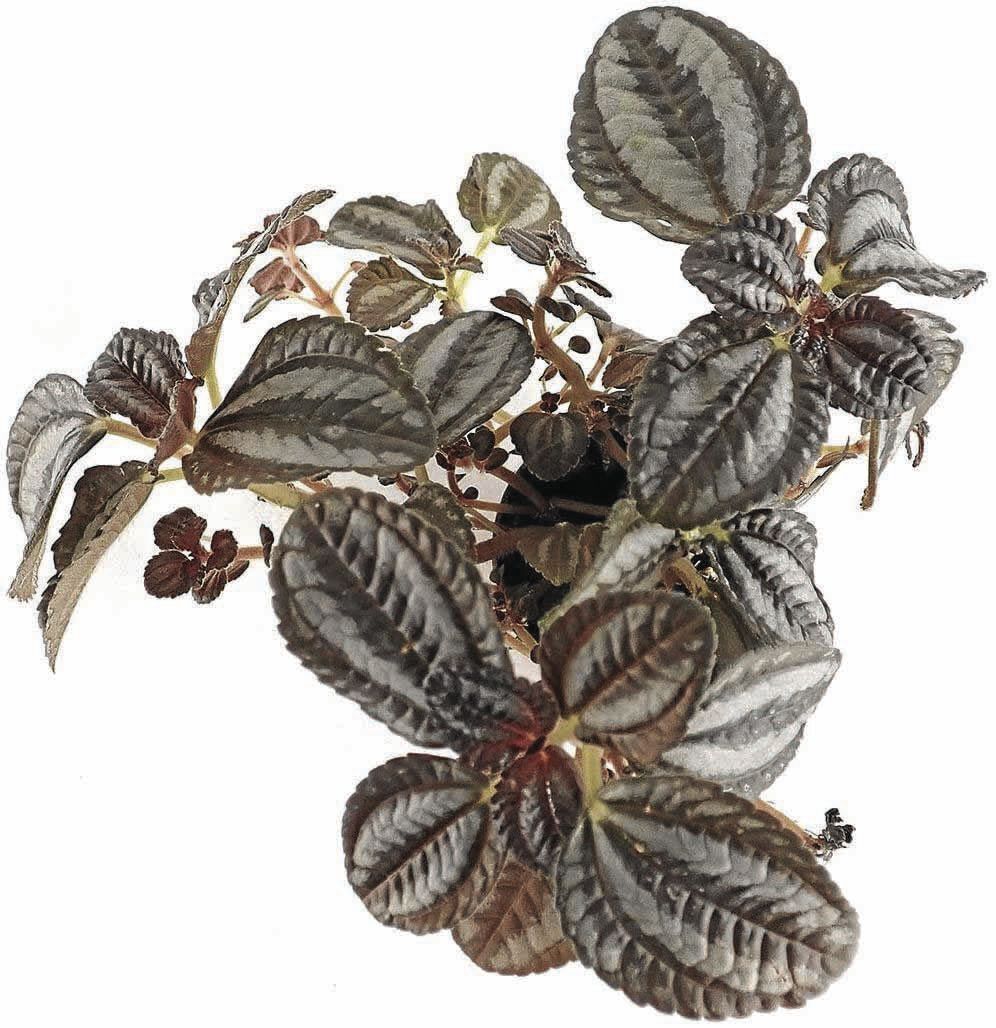
This plant is named for the ease with which it can be divided and shared—so if you happen to receive such a gift, rest assured it’s safe for your cats and dogs. But beware, pets may be especially drawn to the fuzzy, crinkly leaves.
Certain kinds of herbs

Indoor herb gardens are an easy, fun way to add fresh flavor to your cooking. But not all herbs are created equal when it comes to pet safety. Standards like lavender and oregano are off-limits, but pets are fine around basil, sage and thyme.
Peperomia

This quirky plant has blooms that resemble tubes of lipstick, and is safe for cats and dogs alike. A native of the tropics, it thrives in bright light and loves being outside in the warmer months.
Parlor palm

This is the perfect solution for pet owners looking to add a small tree indoors. Safe for cats and dogs, it’s also great for green-thumb beginners.
Polka dot plant

This plant is perfect for adding a fun splash of pattern to miniature gardens, terrariums, mixed containers and more. Available in colors such as white and pink, it’s as versatile as it is whimsical.
Prayer plant

Topping out at 6 to 8 inches, this plant is ideal for small spaces such as bookshelves and end tables. Its red, cream and green leaves curl up at night, giving it its name. What’s more, it’s one of the easiest houseplants you can grow.
Some succulents

Many of the most popular succulents — including hens and chicks, echeveria and rosettes — aren’t problematic. However, with so many varieties on the market, it’s best to research each individual plant.